Signs Your Cabinets Need a New Paint Finish
Cabinets need repainting when the finish peels, chips, bubbles, fades, or no longer protects the surface. PainterRedmondwa.com checks the cabinet condition, coating, and prep needs before recommending a new finish.
Get a Free Estimate
What Are the Main Signs Cabinets Need Repainting?
Cabinets need repainting when the finish has lost adhesion, protection, or a consistent appearance. At PainterRedmondwa.com, we look at both the visible coating and the cabinet surface beneath it.
Peeling, Chipping, or Cracking Paint
Peeling, chipping, or cracking paint shows that the cabinet coating has a paint adhesion problem. Loose coating can't protect the surface, and new paint won't hold well over unstable layers.
We check for surface damage around cabinet doors, cabinet boxes, edges, and hardware. Our team removes or stabilizes failed areas before choosing the right preparation and new finish.
Bubbles, Blisters, or Raised Areas
Paint bubbles, blistering, and raised areas often point to moisture, heat, or poor surface preparation. These conditions can weaken the bond between the coating and the cabinet material.
We look for water marks, heat exposure, trapped residue, and other causes before repainting. Covering a bubble without correcting the cause can lead to another coating failure.
Fading, Stains, and Worn Touch Points
Fading, stains, and worn touch points show that the paint finish has lost a consistent appearance. Sun exposure, grease, cleaning products, and frequent contact can wear down cabinet paint.
We pay close attention to cabinet handles, drawer fronts, and high-touch areas. A new finish can refresh the color and restore a more even protective surface.
Why Is Cabinet Paint Peeling or Bubbling?
Cabinet paint peels or bubbles when the coating can't bond well or moisture and heat affect the surface. The problem can also start with grease, residue, sanding dust, or incompatible coatings.
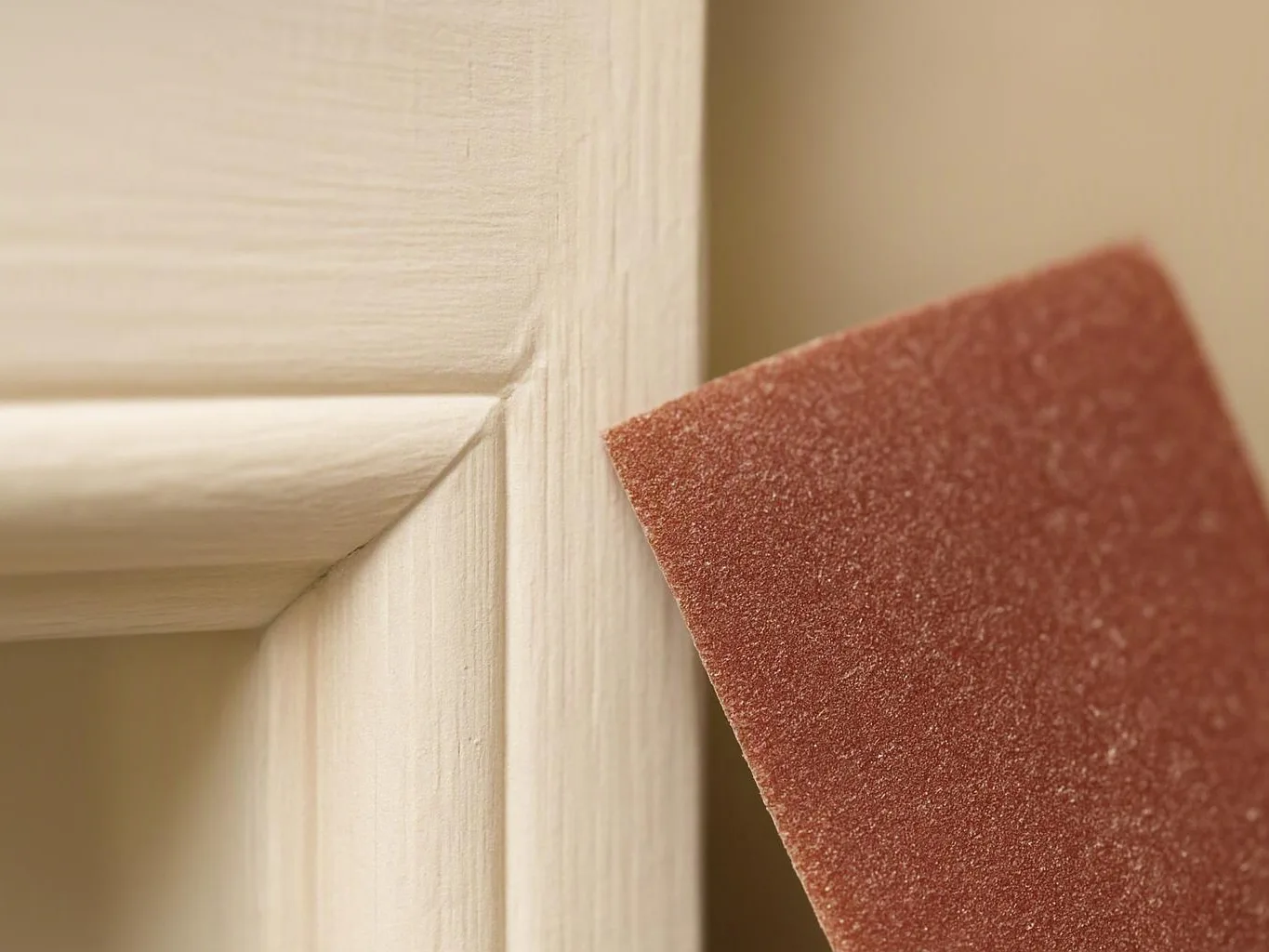
We begin with cleaning and degreasing so the surface is ready for sanding and primer. The primer layer helps create a sound base for cabinet paint, but it can't correct hidden water damage or weak material.
Our team also checks whether the existing finish is suitable for recoating. If the old coating is loose or incompatible, deeper removal and cabinet refinishing may be needed.
What Should We Check Before Repainting Cabinets?
We check the cabinet material, existing finish, damage, contamination, and repair needs before repainting. That inspection helps us separate a cosmetic refresh from a larger refinishing project.
Our inspection also helps define the scope of work for cabinet door painting and cabinet box painting. We explain the preparation and finish choices before work begins.
Can Peeling Cabinet Paint Be Touched Up?
Yes, paint touch-up can work for small stable areas, but widespread peeling usually needs deeper coating removal and new preparation.
A touch-up depends on a stable edge, a reliable color match, and a surface without ongoing moisture damage. Loose coating must be removed before new paint can bond.
We assess whether isolated damage can be repaired or whether stripping and refinishing will produce a better result. Our recommendation follows the condition of the coating, not just the visible spot.
DIY Cabinet Touch-Ups or Our Cabinet Painting Service?
You can handle small, stable touch-ups, while we prepare and refinish cabinets with widespread wear or coating failure. The right choice depends on the damage, the finish you want, and the preparation required.
Our Cabinet Painting process is built around clean surfaces, sound coatings, and an even final application.
| Factor | What you can do yourself | What we do |
|---|---|---|
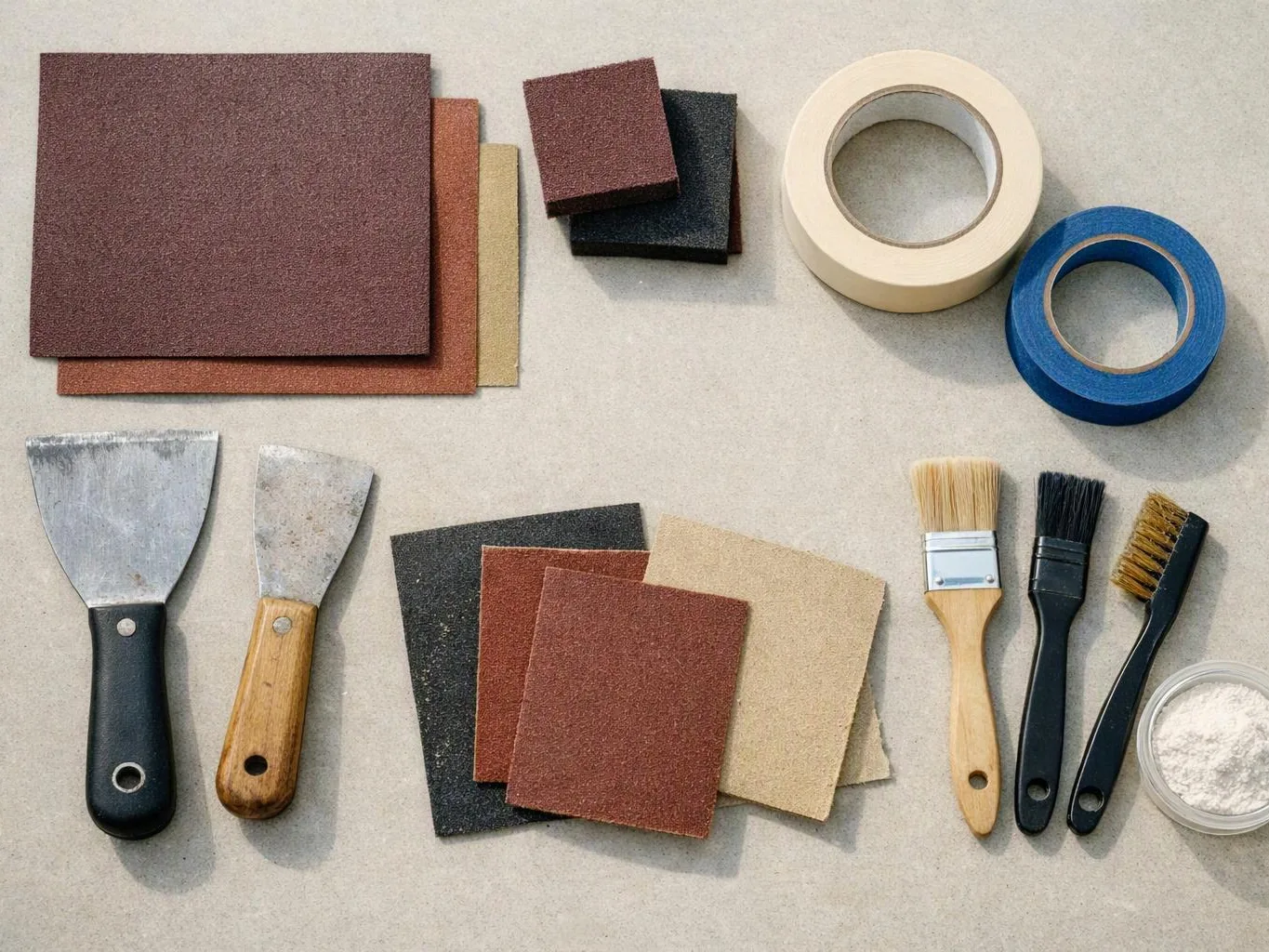
| Surface preparation | Clean a small stable area and check for loose coating. | Clean, degrease, sand, and prepare the full coating system. |
| Primer | Apply a suitable primer when the surface is sound and compatible. | Choose and apply primer based on the cabinet material and existing finish. |
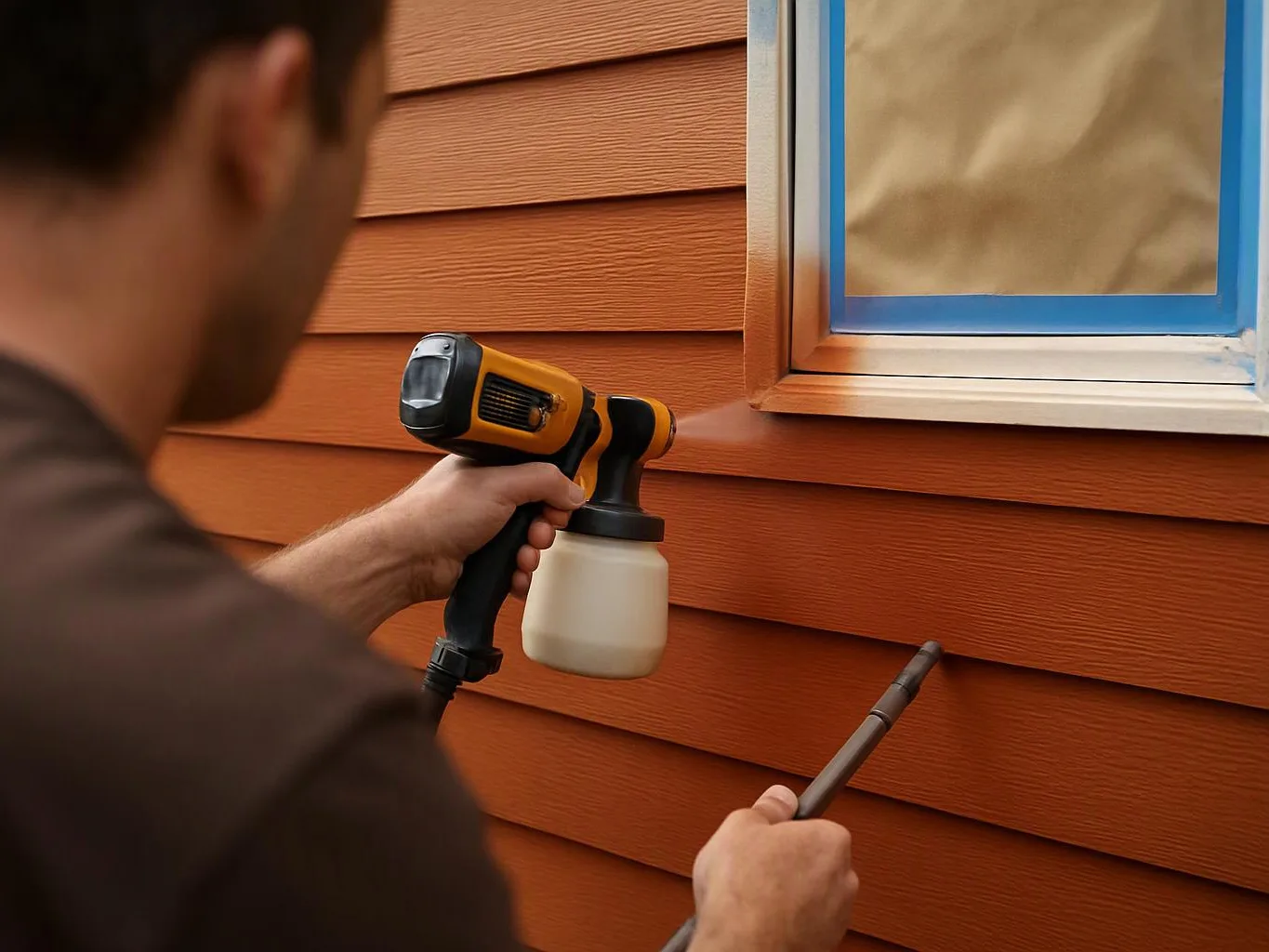
| Paint application | Blend a small touch-up and accept possible color variation. | Apply an even cabinet coating, including a spray finish when appropriate. |
| Cleanup | Protect nearby surfaces and clean the small work area. | Manage work-area protection and cleanup as part of the project. |
How Do We Plan the Cabinet Repainting Work?
We review the cabinet condition and requested finish, then provide a clear project estimate before work begins. Our team explains the preparation, repairs, coating, and cleanup included in the proposed scope.
We inspect the doors, drawers, boxes, and existing paint finish. Then we discuss color selection and finish selection based on the room and the desired result.
Free Estimates Available. You can contact our team for an estimate after the inspection details are reviewed.
What Finish Should You Choose for Repainted Cabinets?
The best cabinet paint finish balances sheen, durability, washability, color, and the condition of the wood grain. Kitchen cabinets often need a coating that handles frequent cleaning, while bathroom cabinets must also suit a moisture-prone room.
We help match the finish to the cabinet material and the room's use. A smooth, durable coating can refresh cabinet doors and boxes, but the final look also depends on surface preparation and the chosen color.
Our team can also discuss whether a low-sheen or higher-sheen finish better suits your cleaning needs and design goals. The finish selection becomes part of the project scope before cabinet painting begins.