Standard vs Premium Carpenter Systems & Materials Compared (2026)
Standard carpenter systems usually suit practical budgets and straightforward needs, while premium systems prioritize refined materials, longer service life, and greater customization. PainterRedmondwa.com compares the installation conditions, finish goals, maintenance needs, and project scope before recommending an option.
Get a Free EstimateQuick Picks
Standard carpenter systems suit practical projects with clear functions and simple specifications. Premium carpenter systems suit projects where custom sizing, finish quality, or design details matter more.
- Standard systems fit budget control, common dimensions, and easy future repairs.
- Premium systems fit custom carpentry, refined appearance, and upgraded material performance.
What’s the Difference Between Standard and Premium Carpenter Systems?
Standard carpenter systems focus on practical performance and controlled material choices, while premium systems add upgraded materials, detail, customization, and finish quality.
Standard carpentry often uses common materials, repeatable designs, and straightforward workmanship. Premium carpentry may include custom millwork, carefully matched components, and more detailed joinery.
Project requirements should guide the choice. Moisture exposure, daily use, surface condition, design goals, and future maintenance all affect the right system.
Standard vs Premium Carpenter Systems at a Glance
Standard systems generally have lower material complexity, while premium systems usually require more investment for upgraded performance or appearance. The best choice depends on the space, finish goals, and scope of work.
| Factor | Standard Systems | Premium Systems | Best Fit |
|---|---|---|---|
| Material cost | Lower material complexity | Higher investment for upgraded materials and details | Match material grade to budget priorities |
| Installation time | Usually simpler to install | May require more fitting and detail work | Allow for the full project scope |
| Maintenance | Often simple to repair or replace | Depends on the material and finish system | Consider access and future repairs |
| Appearance | Clean and functional | More custom detail and finish choices | Prioritize the desired visual result |
| Best use | Straightforward functional carpentry | Custom woodwork and elevated interiors | Choose by use, appearance, and maintenance needs |
What Are the Advantages of Standard Carpenter Systems?
Standard carpenter systems are often the better fit when function, simple design, and predictable material choices matter most. They work well for projects with common dimensions and clear practical goals.
Best for: standard systems suit practical updates, rental properties, utility spaces, and straightforward replacements.
What Are the Advantages of Premium Carpenter Systems?
Premium carpenter systems are often the better fit when the project needs custom details, elevated finishes, or upgraded material performance. They can support a stronger design match across the room.
Best for: premium systems suit feature spaces, detailed renovations, built-in storage, and design-led interiors.
Which Carpenter Materials Change the Project Decision?
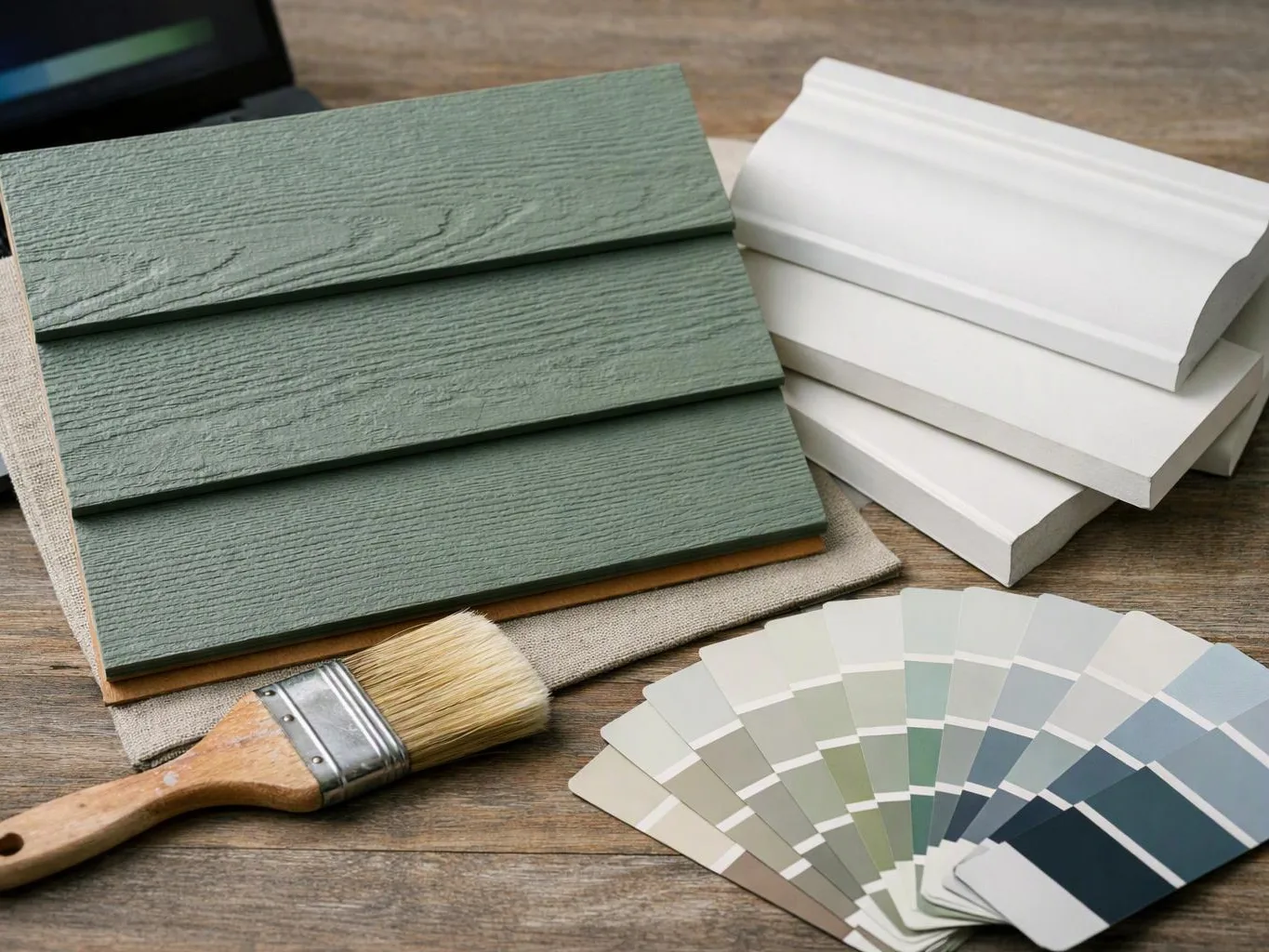
Material choice changes the project’s appearance, stability, maintenance needs, and suitability for the installation area. We review the use of each component before recommending a material system.
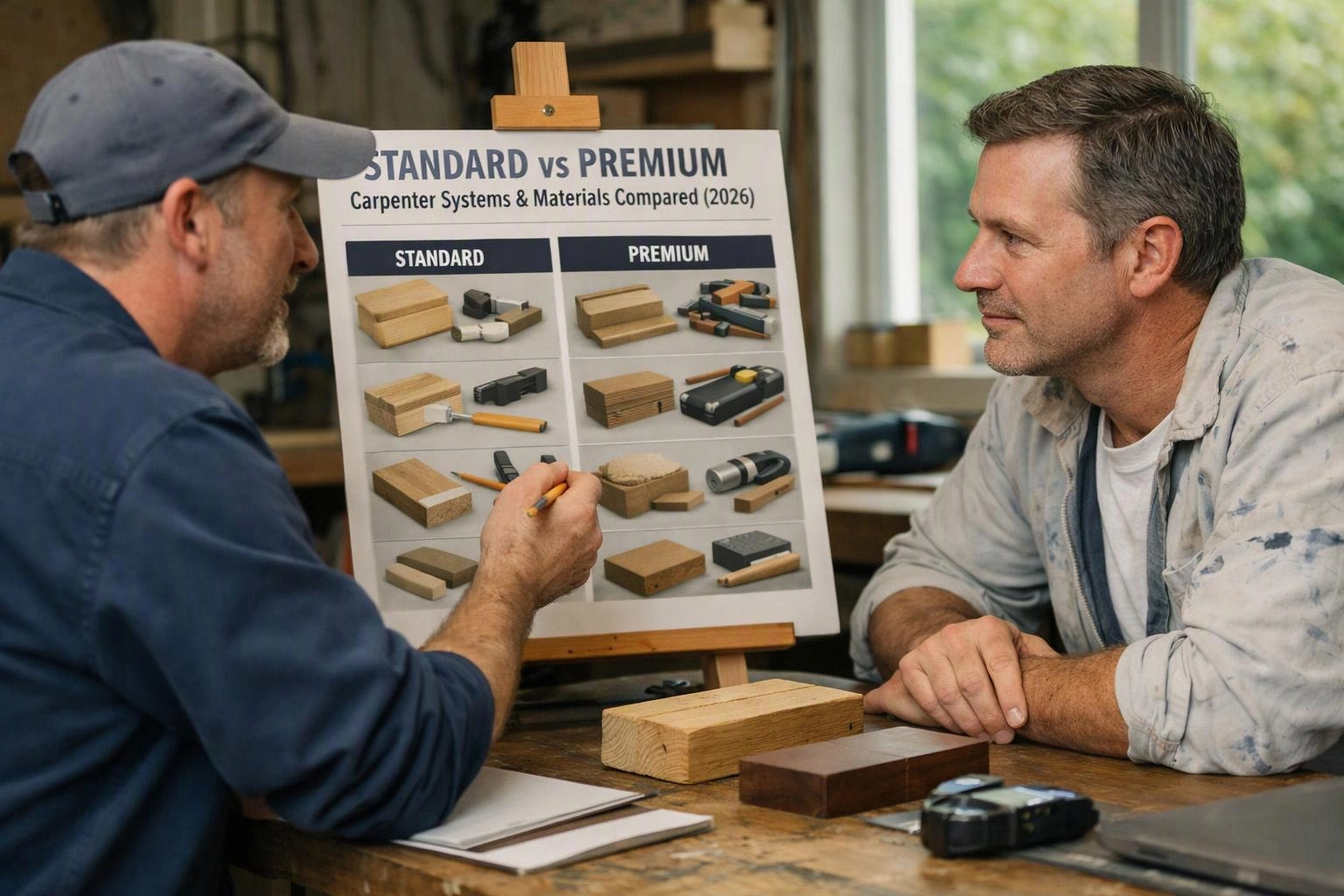
Solid wood offers natural grain and can often be repaired or refinished. Engineered wood can provide stable panels and consistent surfaces, while composite materials may suit areas where moisture or wear is a concern.
Wood trim, cabinets, doors, and built-ins each have different demands. Moisture exposure, movement, hardware, surface finish, and daily use all affect the selection.
Our Carpenter services can connect material selection with installation and painting and finishing needs.
How Do Finish and Custom Details Affect Value?
Finish and custom details affect value by changing appearance, fit, maintenance, and the amount of preparation required. The right detail should support the room instead of adding work without a clear purpose.
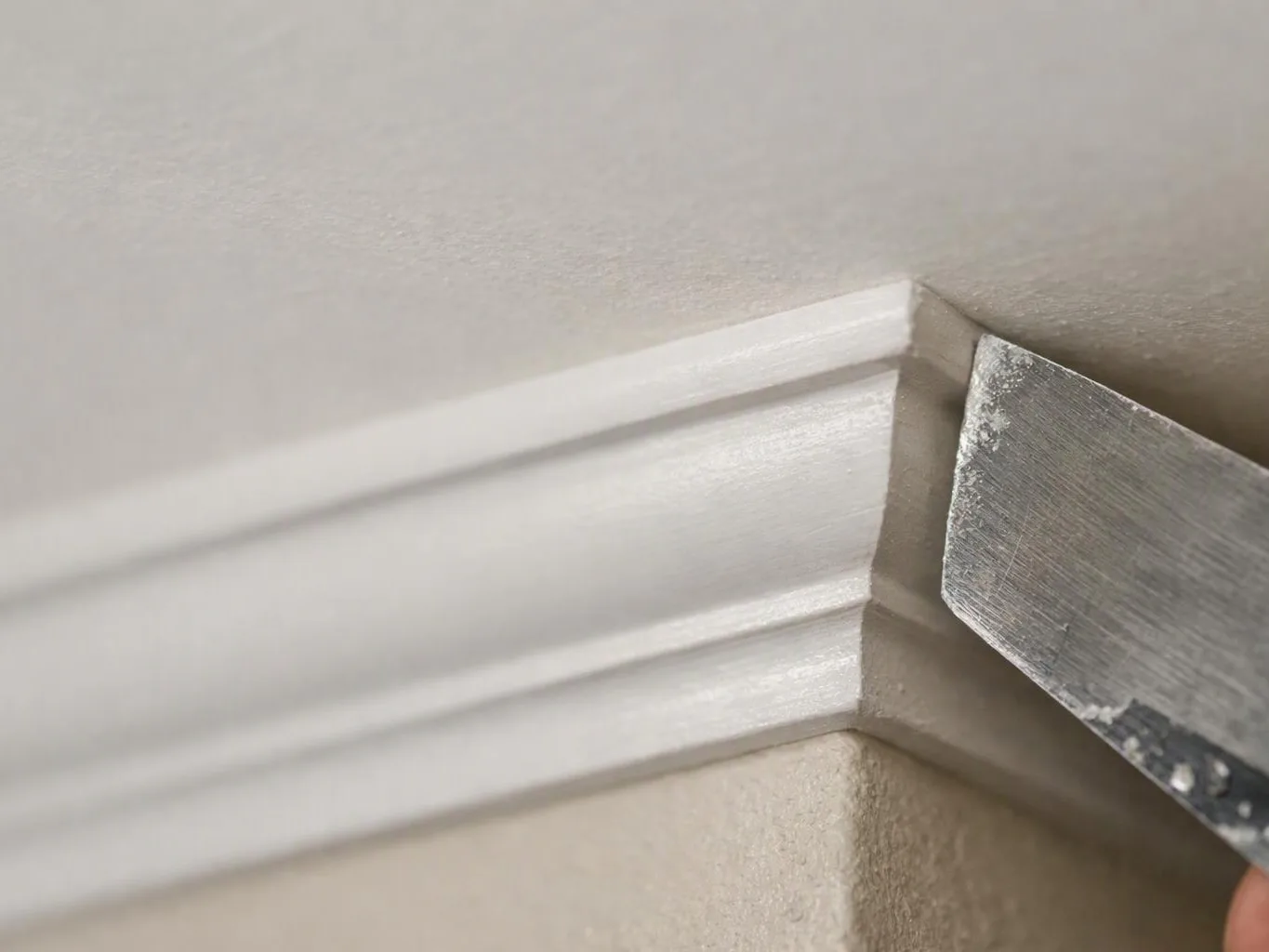
Joinery, milled edges, and custom sizing can improve how components meet. Stain, paint finish, hardware, and surface preparation then shape the final result.
We also check whether the chosen surface can support the planned coating. Proper preparation helps protect paint adhesion and creates a more even finish.
What Changes the Cost of Standard or Premium Carpentry?
Material grade, custom design, preparation, access, installation details, and finishing work determine the cost of either system. Premium work isn't defined by one material alone.
Material selection affects the base scope. Design complexity and custom dimensions can add fitting, layout, and detail work.
Surface condition, demolition, installation access, and installation labor can also change the work required. Finishing work may include sanding, priming, painting, staining, caulking, and final adjustments.
We review these factors before preparing an estimate. An estimate should show the scope of work, selected materials, preparation, installation, and finish coordination.
How We Compare Carpenter Systems Before Giving an Estimate
PainterRedmondwa.com reviews the space, materials, details, and finish goals before preparing an estimate. Our process keeps the recommendation tied to the actual project scope.
We provide Free Estimates Available so the proposed work can be reviewed before decisions are made.
Which System Should You Choose for Your Project?
Choose a standard system for practical function and simpler specifications, or choose a premium system when finish quality and customization carry more weight.
Standard systems may suit buyers who value budget priorities, easy repairability, and common materials. Premium systems may suit buyers who value custom sizing, design details, and a carefully matched appearance.
Consider durability, maintenance, future repairs, and the room’s use. A blended approach can also work when premium details matter in visible areas but standard components meet practical needs elsewhere.
How Carpenter Systems Connect With Painting and Finishing
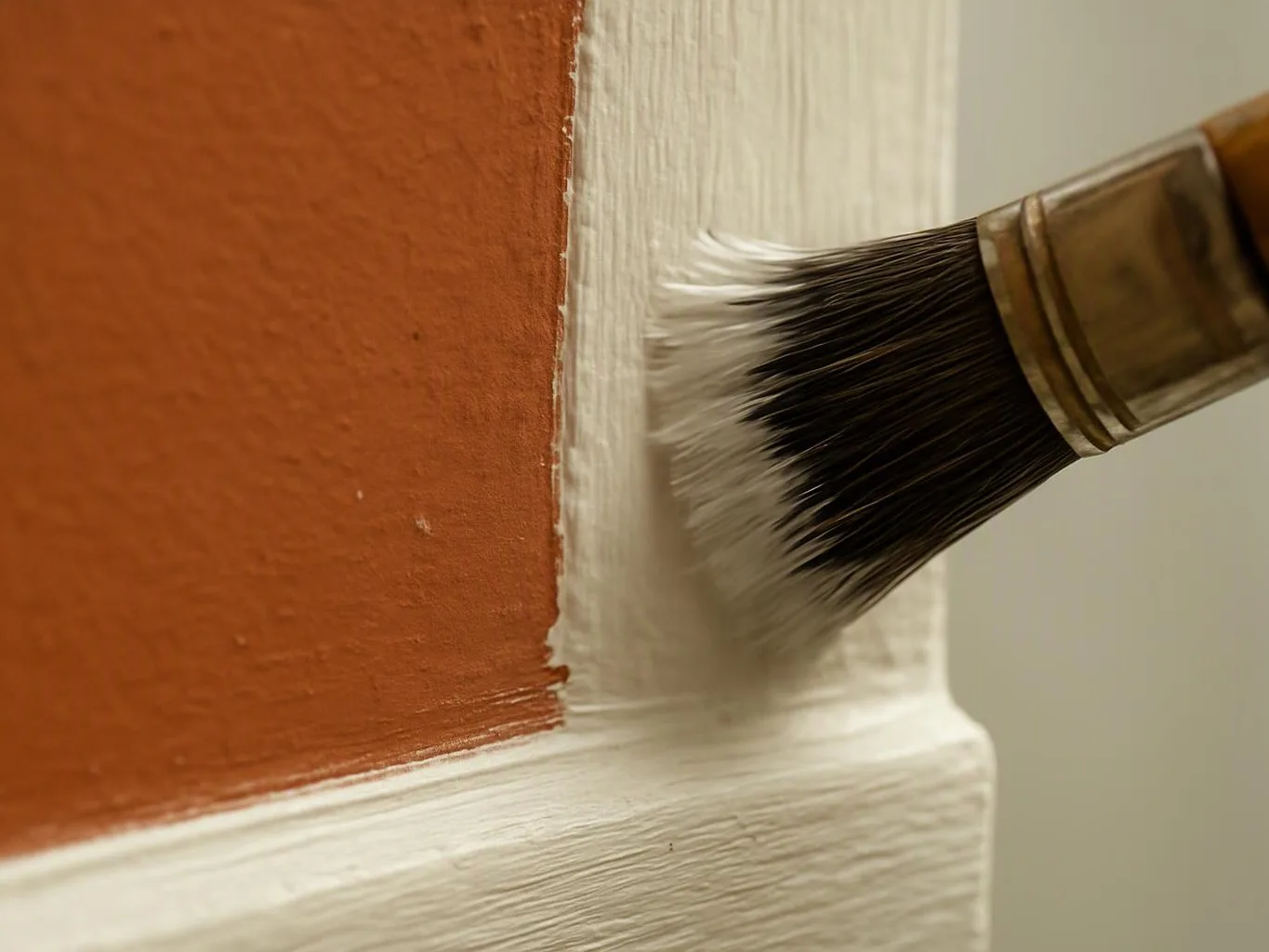
Carpentry and painting must be coordinated so new or repaired wood receives the right preparation and finish. The sequence affects the final appearance and paint adhesion.
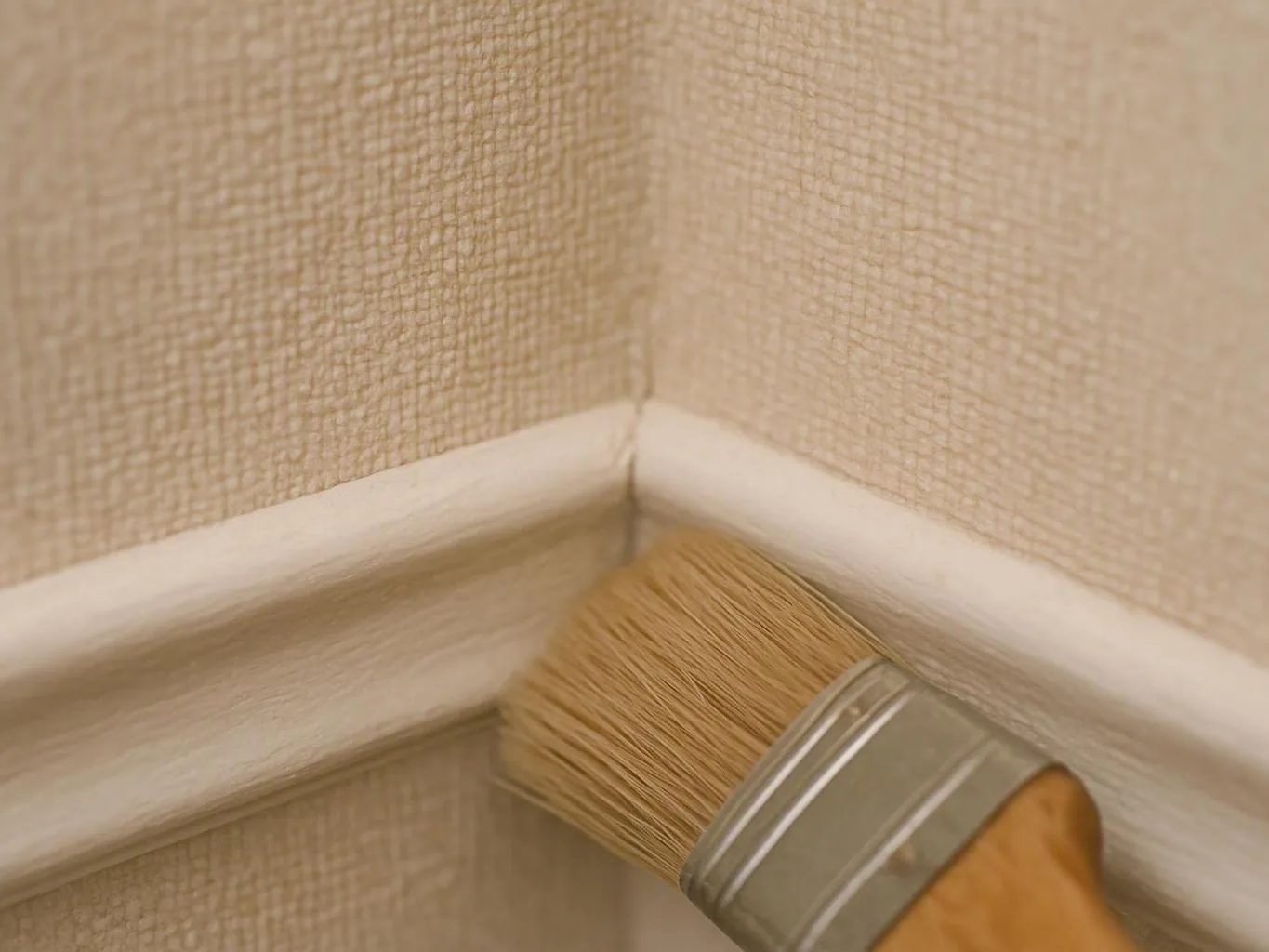
We check wood surfaces for dust, damage, movement, and uneven areas before priming. Staining needs a compatible surface plan, while painted trim and built-ins need careful caulking and smooth preparation.
Finish coordination also covers doors, cabinets, panels, and hardware. Our team aligns carpentry preparation with painting and finishing so the completed work looks consistent.
Questions About Standard and Premium Carpenter Systems
Are premium carpenter materials always more durable?
No, premium carpenter materials aren't always more durable. Durability depends on material grade, moisture exposure, installation quality, surface preparation, and maintenance.
Can standard carpenter systems still provide a polished finish?
Yes, standard carpenter systems can provide a polished finish when the surfaces are sound and preparation is thorough. Paint choice, caulking, sanding, and finish coordination all affect the result.
Which carpenter system needs less maintenance?
Neither system always needs less maintenance because maintenance depends on the material, finish, room conditions, and daily use. Easy access and repairable components can make upkeep simpler.
Can standard and premium materials be combined in one project?
Yes, standard and premium materials can be combined when their sizes, finishes, performance needs, and visual details work together. We review the full scope so the combination looks intentional.
What should an estimate include for custom carpentry?
A custom carpentry estimate should include the material selection, design details, custom dimensions, surface condition, preparation, installation labor, finishing work, and project scope.
When should carpentry and painting be planned together?
Carpentry and painting should be planned together when new wood, trim, cabinets, doors, or built-ins need a coordinated finish. Early planning helps align surface preparation, priming, staining, caulking, and final coatings.
Related Resources
When Peeling Siding Paint May Mean More Than Repainting
When You Need ItHow to Tell When Your Deck Needs Restaining
Brand vs BrandPainterRedmondwa.com vs Local Carpenter Alternatives in Redmond: Side-by-Side Comparison
Types & CategoriesBest Carpenter System Types & Equipment Options Compared (2026)