Can masonry walls be stripped safely?
Masonry walls can be stripped safely when the coating, wall condition, and nearby finishes are checked first. Loose paint, cracks, joints, and weak areas affect the work plan. We assess those conditions before setting the removal scope, then separate stripping from masonry repairs or later painting. That review helps prevent a damaged substrate from being treated as only a paint problem.
Which surfaces can your crew strip?
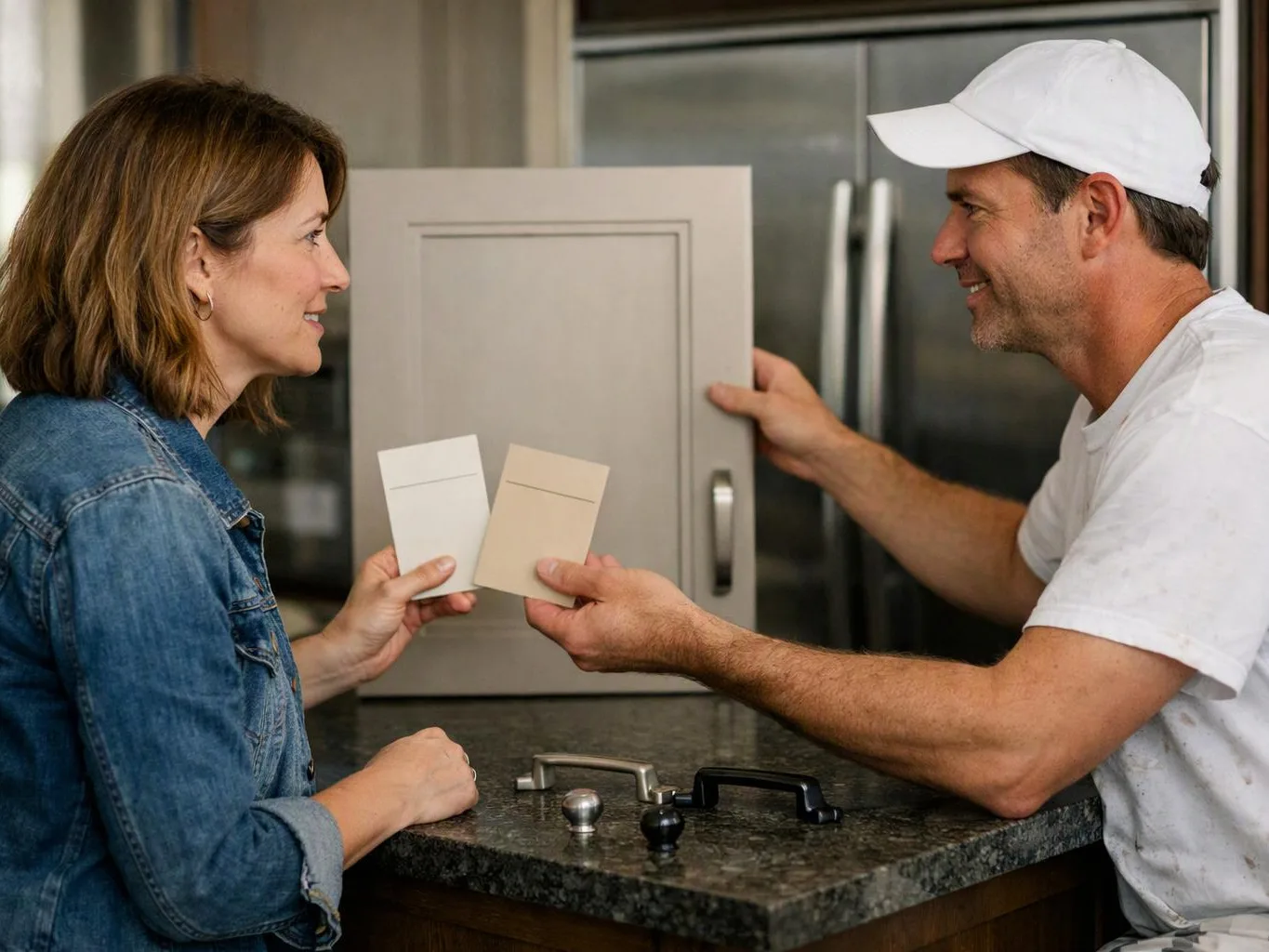
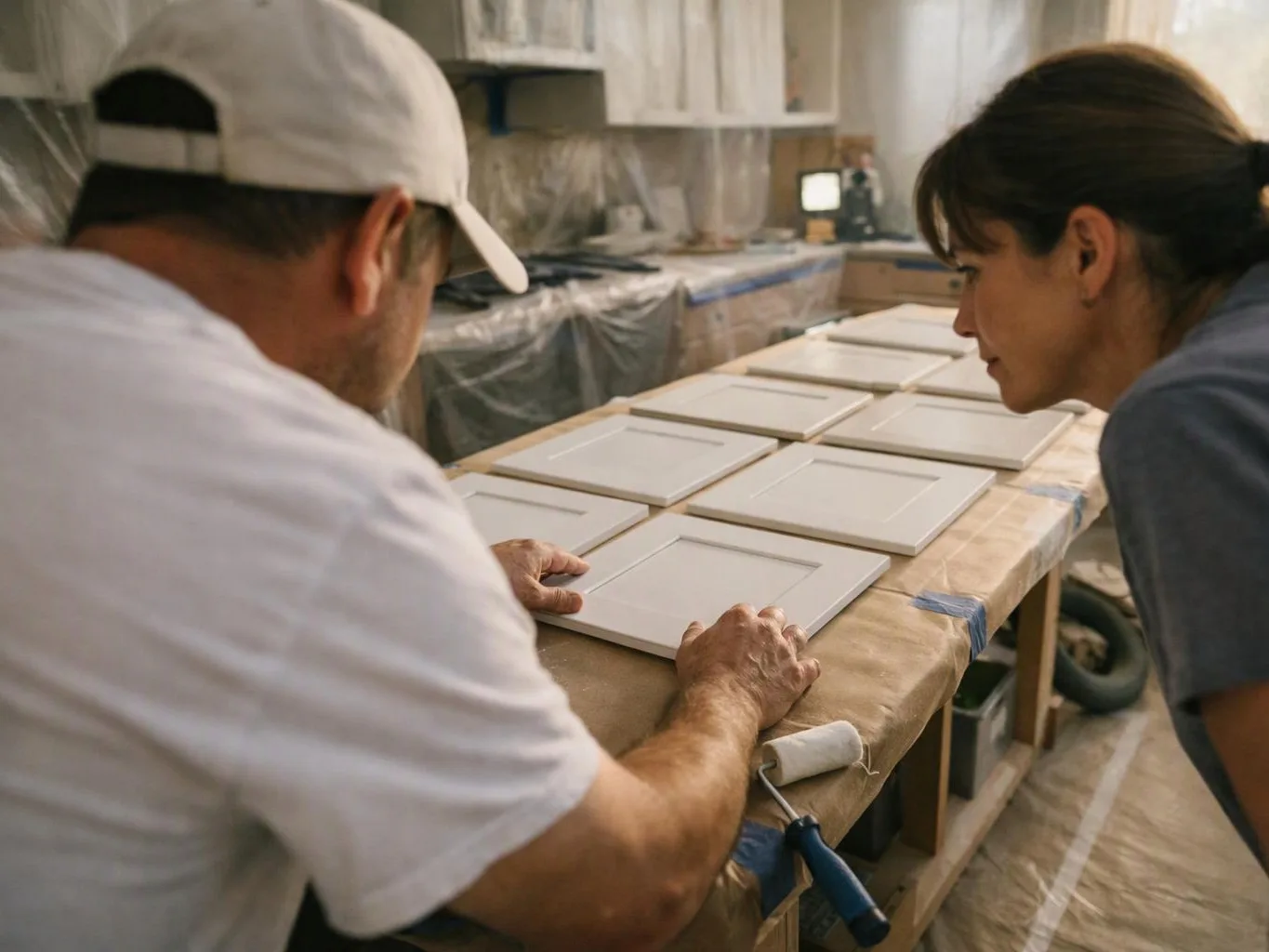
PainterRedmondwa.com strips paint from masonry, wood, metal, and cabinet doors when the surface fits the planned work. Each material needs its own review because edges, profiles, hardware, and substrate condition differ. The consultation identifies the affected areas and the intended next finish. We then explain what the estimate includes before the project begins.
How should I prepare a room before paint stripping starts?
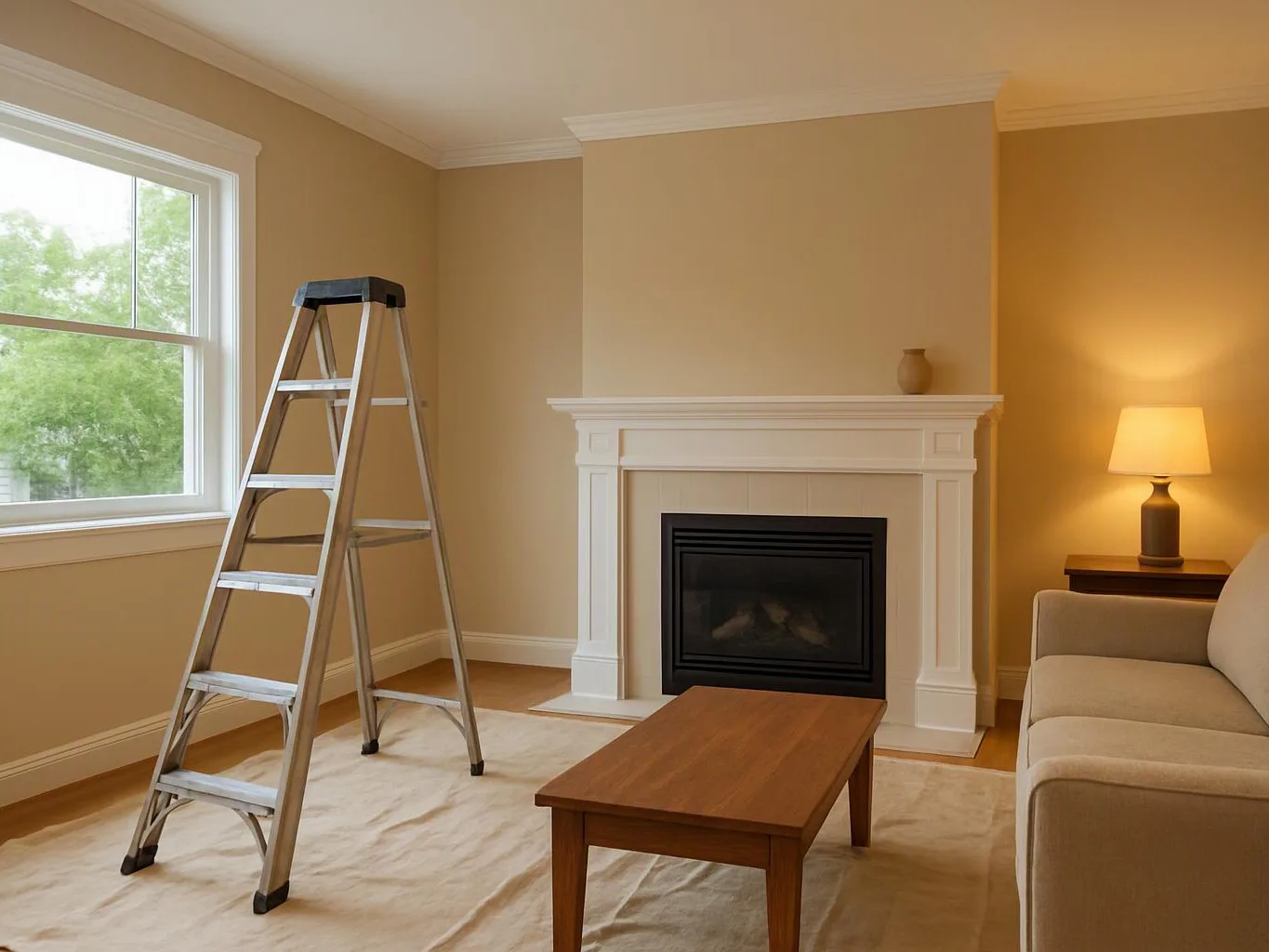
Room preparation should give the crew access to the affected surface and protect items that remain nearby. Remove loose decorations, clear movable items, and identify fixtures or finishes that need protection. Access details also matter for cabinet doors and commercial spaces. We confirm the protection plan during the consultation so the work area matches the agreed scope.
What changes the estimate for paint removal?
The estimate changes with the surface material, coating layers, damaged areas, access, protection needs, and related repairs. Masonry, wood, metal, and cabinet doors do not share the same preparation needs. The intended finish also affects the work that follows removal. We review these details during a free consultation and in-home meeting before preparing the estimate.
When should I request stripping instead of repainting?
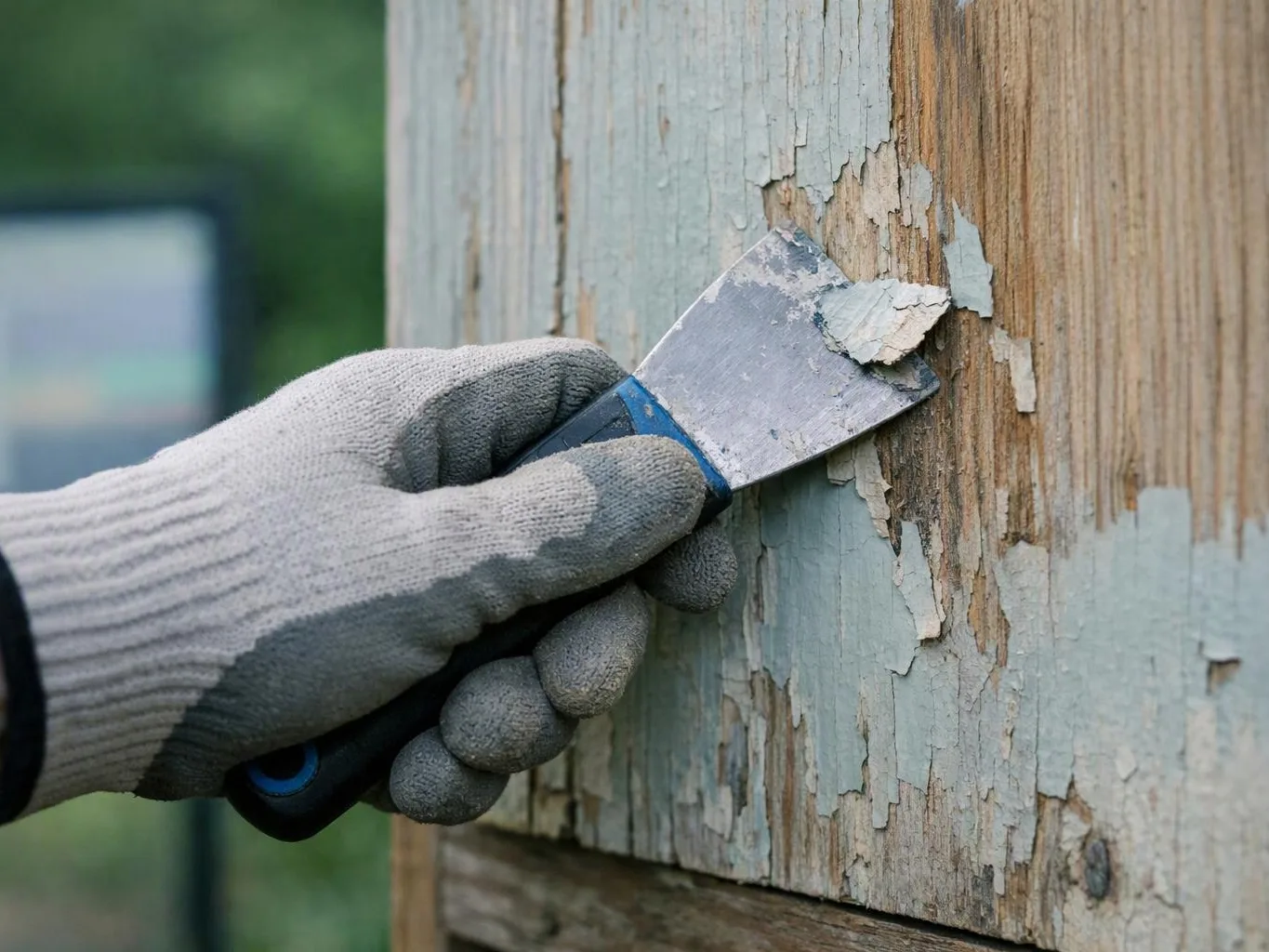
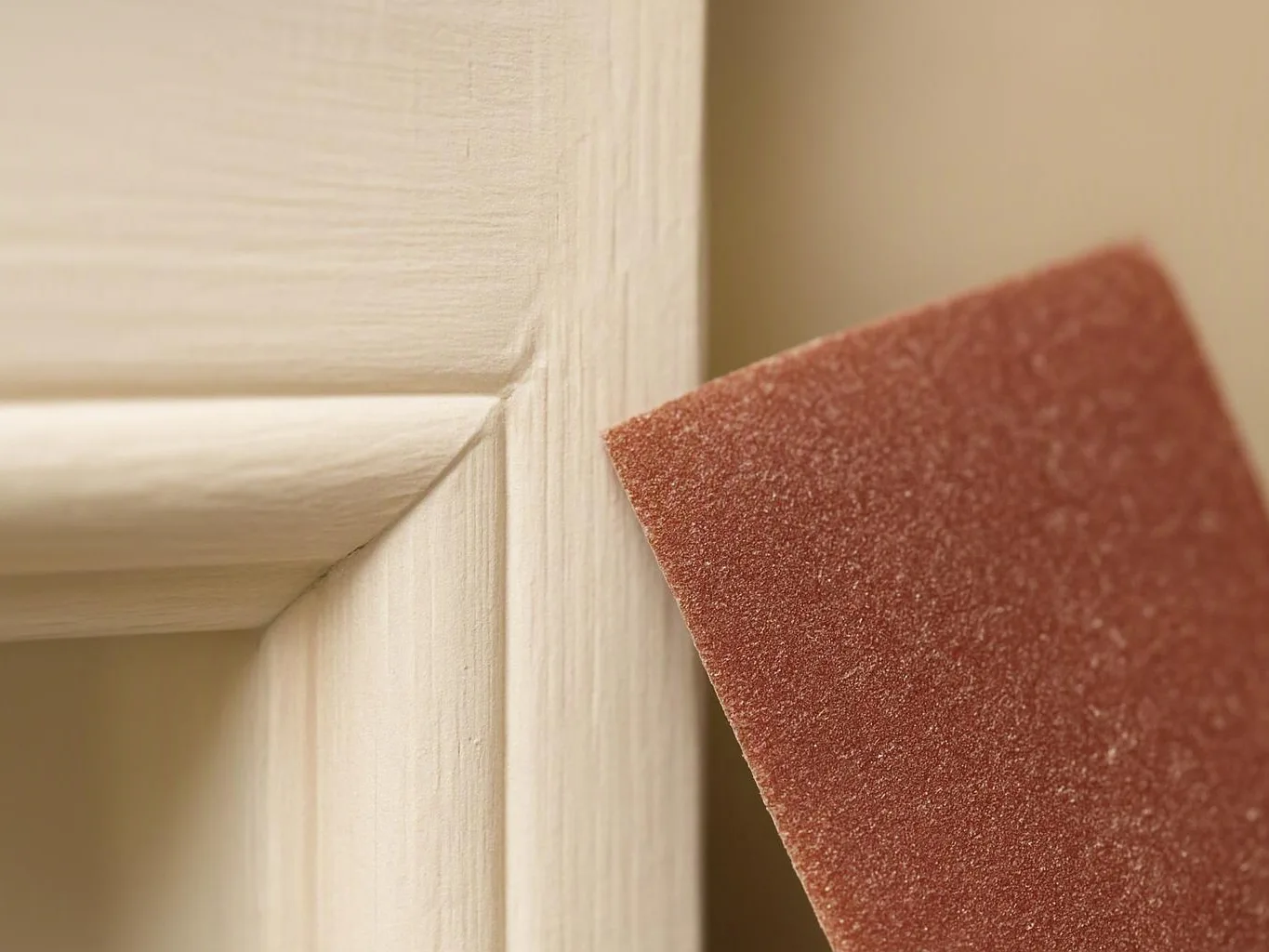
Paint stripping is worth discussing when loose layers, peeling edges, heavy buildup, or failed adhesion could affect the next finish. Repainting may fit when the existing coating is sound and the surface needs ordinary preparation. We inspect the affected area and explain whether removal, repair, or standard painting best matches the condition. The decision should follow the surface review.
Why does paint keep peeling from one area?
Repeated peeling can point to weak adhesion, coating buildup, surface damage, or a repair need beneath the paint. A new coat may not address the cause when loose layers remain. We check the coating and substrate, then explain whether the area needs stripping, repair, or another preparation step. The final scope depends on what the inspection finds.
What should I confirm before approving the work?
Confirm the surfaces included, the areas protected, the repairs covered, the planned finish, and the cleanup expectations. The written scope should also separate paint removal from later painting, cabinet work, or carpentry. Ask how the final inspection will be handled and who will review the completed area. These details help keep the project aligned with your plan.