
What Is Texture Matching?
Texture Matching is the process of recreating an existing wall or ceiling texture on a repaired area. The goal is to make the new surface blend with the surrounding finish in pattern, depth, and coverage. Common examples include matching orange peel or knockdown texture after drywall damage or access work.
Quick Facts About Texture Matching
Category
Drywall and surface repair
Used for
Blending repaired wall or ceiling areas
Common confusion
Matching paint color is not matching texture
Also called
Wall Texture Matching, Texture blending
Often discussed with
Drywall Texturing, Interior Painting
Key Takeaways About Texture Matching
- The pattern and depth should fit the surrounding surface.
- A sample area helps guide the repair method.
- Color matching alone does not match texture.
How Texture Matching Works
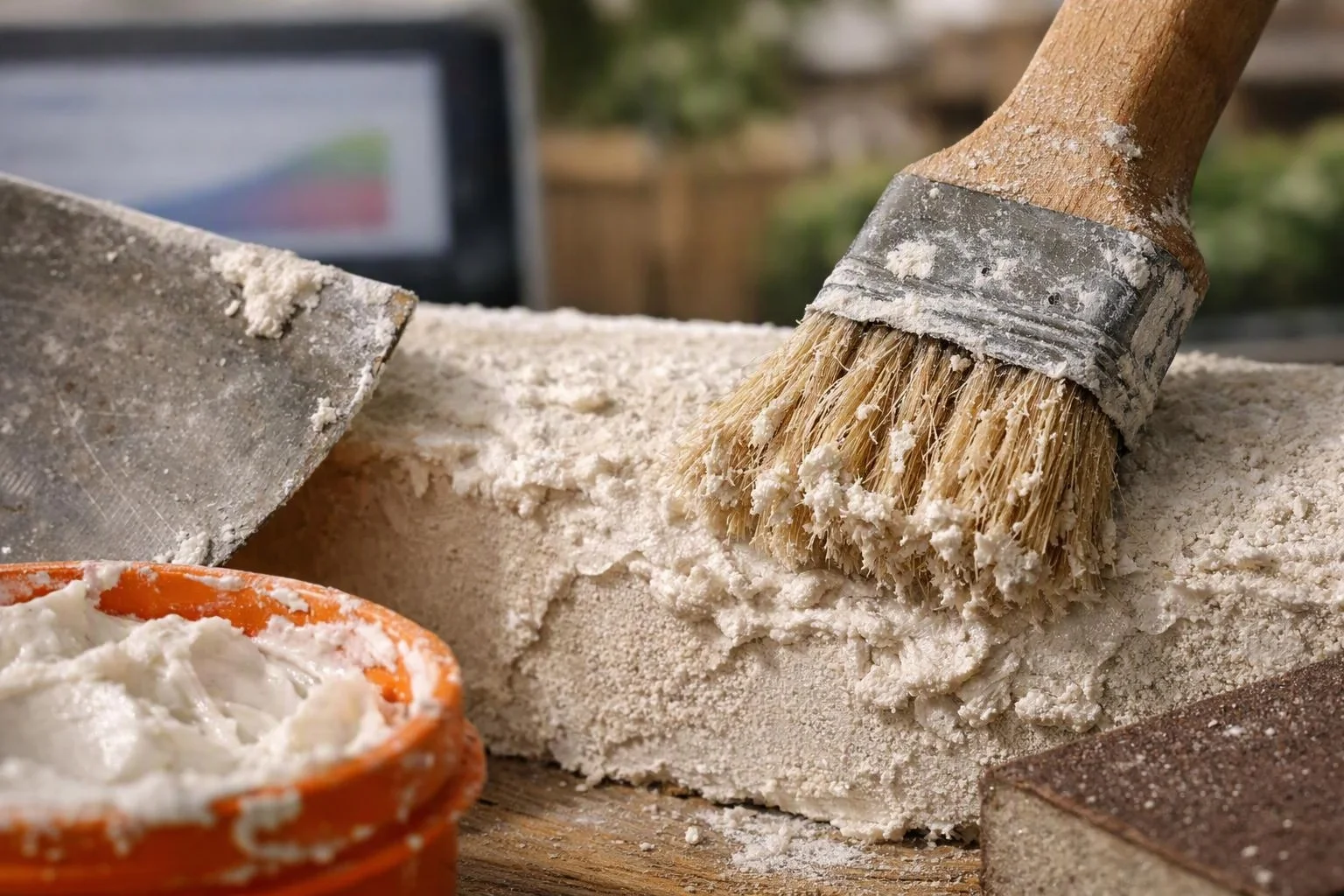
Texture Matching starts with examining the nearby surface. The technician checks the pattern, size, depth, and spacing of the texture. These details guide the choice of tools and application method.
Related glossary terms: Orange Peel Texture, Drywall Compound, Feathering.
A repaired area may need joint compound or another texture material before painting. The material is applied to copy the surrounding pattern. Common methods include spraying, rolling, stippling, or knocking down raised spots. The repair must dry before the surface receives primer and paint.
Orange Peel Texture has a fine, raised pattern that often needs controlled spray application. Knockdown texture has larger raised areas that are lightly flattened after application. Matching the finish also requires blending the edges so the repair does not form a sharp outline.
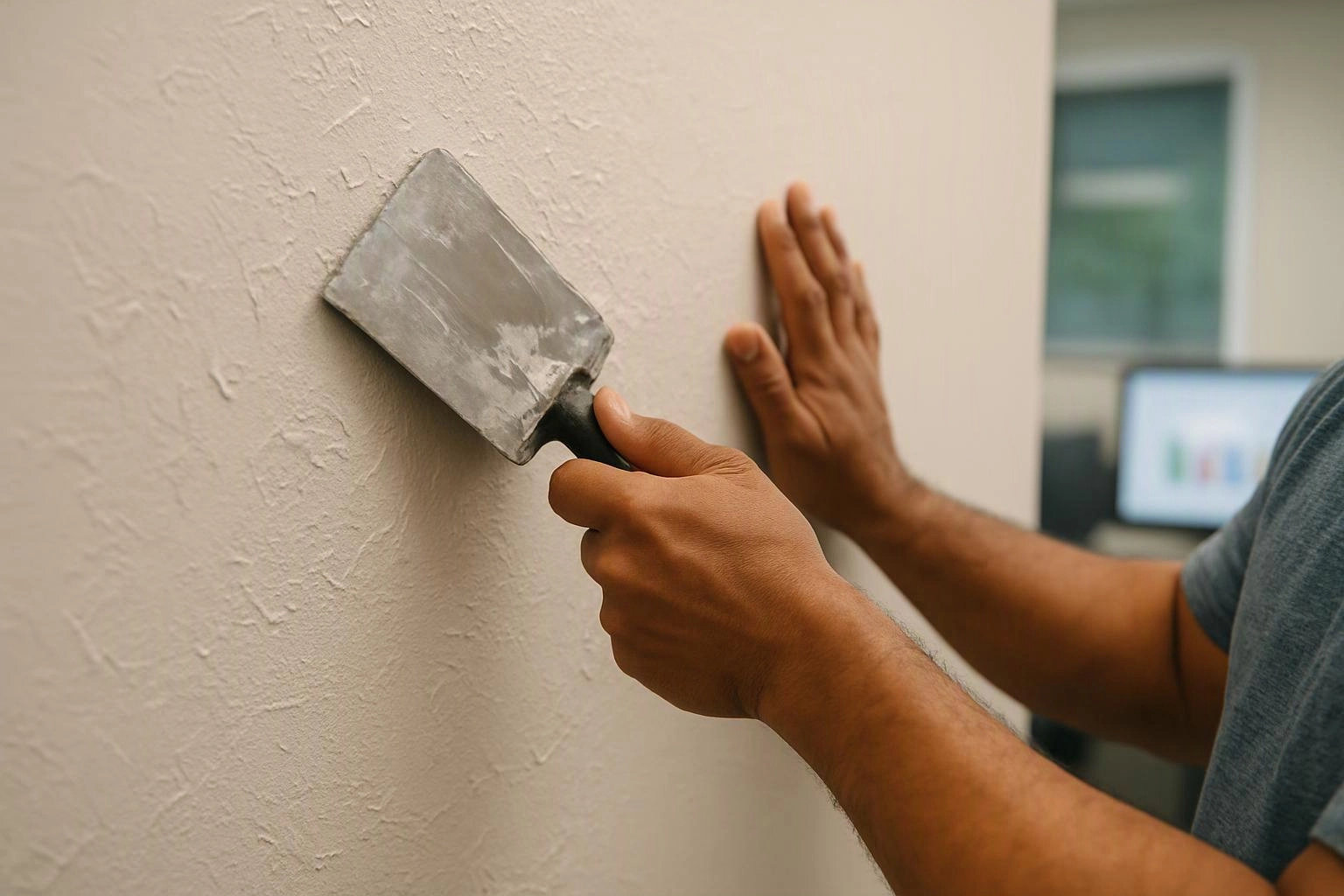
Expert Note
When we assess a repair, we compare the damaged area with nearby texture under normal room lighting. We check the pattern and depth before applying new material. Our team also feathers the repair into the surrounding surface, then checks the finish again after primer and paint.
Texture Matching in Practice: A Real-World Example
A drywall patch on a living room wall may have a different surface than the original wall. For a texture-matching repair, the surrounding orange peel pattern guides the spray and blending work before the area is painted.
Related Services
Related Terms
Orange Peel Texture
Orange Peel Texture is a light wall and ceiling finish with small, raised bumps that resemble…
Drywall Compound
Drywall Compound is a gypsum-based paste used to fill joints, cover fasteners, and smooth damaged drywall…
Feathering
Feathering is a drywall finishing method that spreads joint compound outward until the edges become thin…
Touch-Up Paint
Touch-Up Paint is a small amount of matching paint used to cover minor marks, scratches, scuffs…
PainterRedmondwa.com
Have Questions About Texture Matching?
Contact PainterRedmondwa.com for practical guidance on Texture Matching and related painting contractor work in Redmond.