Why Cabinet Paint Chips or Peels — and What a Durable Refinish Requires
Cabinet paint chips or peels when the coating loses adhesion because of grease, moisture, movement, or weak preparation. At PainterRedmondwa.com, we identify the failure, repair the surface, and apply a cabinet-painting system built for better adhesion and wear.
Get a Free EstimateWhat Does Cabinet Paint Chipping and Peeling Look Like?
Cabinet paint chipping and peeling shows that the coating has lost a strong bond with the cabinet surface. The damage may begin as a small chip and spread across busy areas.
Our team looks for the pattern, location, and depth of the failure. These signs help us separate surface damage from a wider cabinet finish problem.
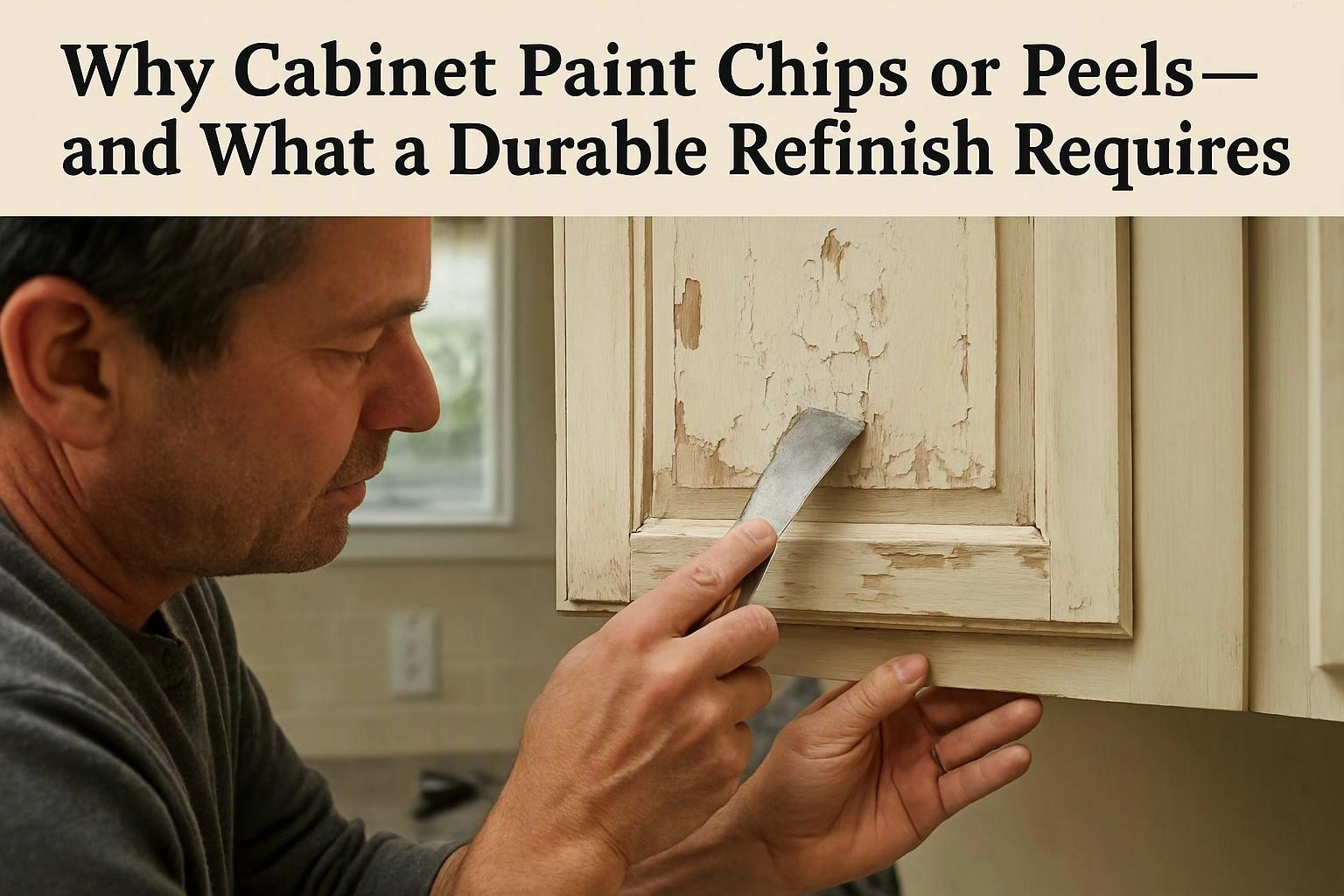
Why Does Cabinet Paint Chip or Peel?
Cabinet paint chips or peels when contamination, moisture, movement, or coating incompatibility weakens adhesion. The visible failure often reflects more than one surface problem.
Our team checks the condition under the loose coating before selecting repairs. Covering a weak bond can leave the same failure ready to return.
How We Find the Cause of Cabinet Paint Failure
PainterRedmondwa.com checks the failed coating, cabinet surface, moisture exposure, and earlier preparation before choosing a repair method.
Our team studies where the paint is lifting and how firmly nearby areas hold. We also identify whether the surface is wood, laminate, or another cabinet material.
Surface inspection includes doors, drawer fronts, cabinet boxes, edges, and hinge areas. We look for water exposure, movement, old finish problems, and signs of poor paint adhesion.
That review helps us match the repair to the coating condition. It also helps prevent spot repairs from failing beside untreated damage.
Our Cabinet Painting service focuses on the full surface system, not only the visible chip.
How We Repair Chipped or Peeling Cabinet Paint
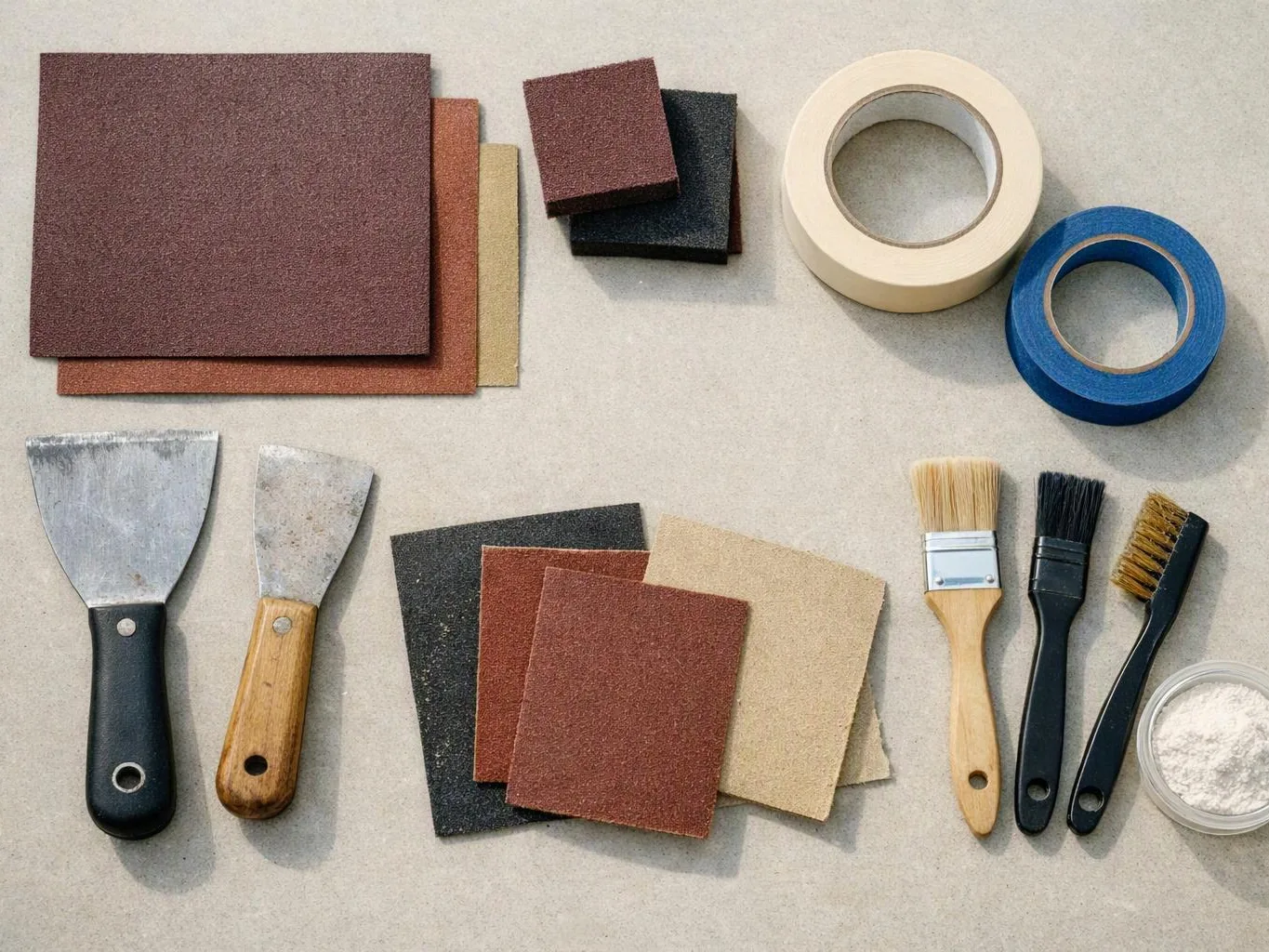
Cabinet paint repair starts with removing loose coating and correcting the surface before new primer and paint are applied. Our team adjusts the work to the cabinet material and failure pattern.
What Preparation Helps Cabinet Paint Last?
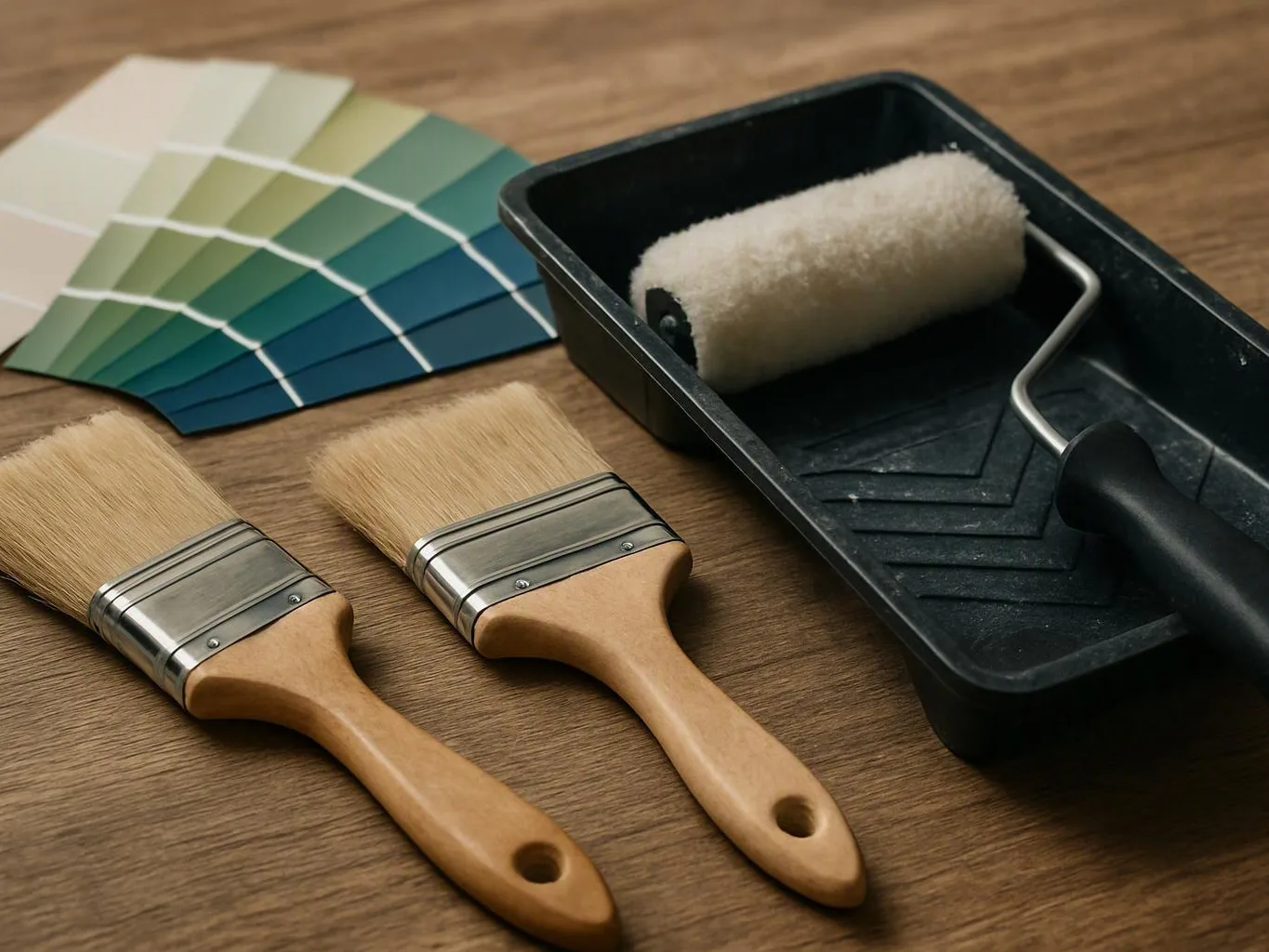
Durable cabinet painting depends on a clean, dull, dust-free surface and a primer and paint system that can bond to it.
Preparation also protects the finish from early wear. Our team checks each stage before moving to the next coating.
Which Cabinet Areas Need Extra Attention?
Cabinet doors, drawer fronts, edges, handles, sink cabinets, and high-touch surfaces need extra attention during refinishing.
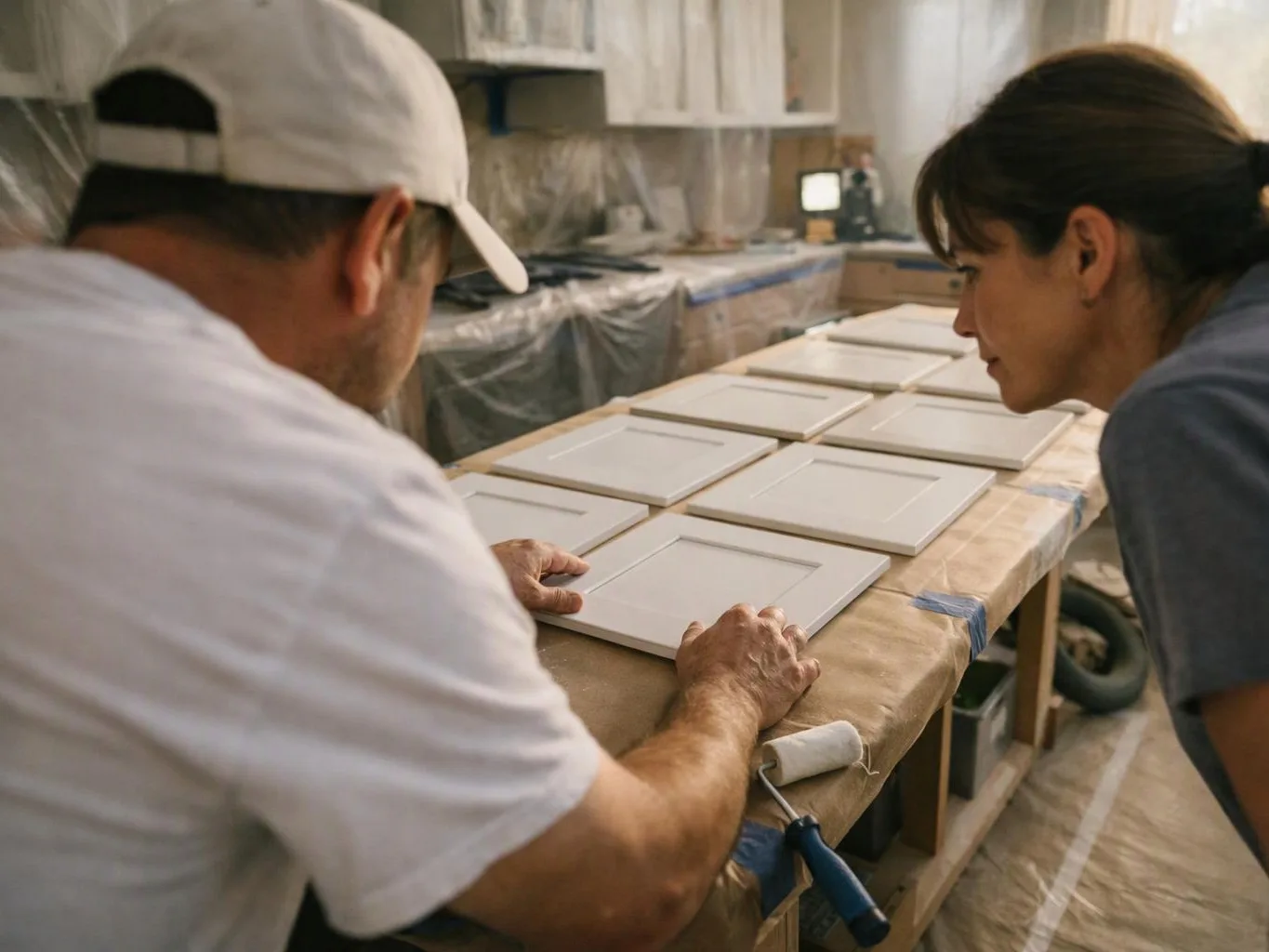
Cabinet doors and drawer fronts receive frequent handling, so their edges and handle areas can wear quickly. Our team checks those contact points for chipping, lifting, and weak bonds.
Sink cabinets face repeated water exposure and changing humidity. Cabinet boxes near sinks and dishwashers also need careful inspection before painting.
Joints, corners, and hinge areas can move as doors open and close. We repair those transitions so the finish has a sound surface beneath it.
How Can You Prevent Cabinet Paint From Peeling Again?
You can reduce future peeling by limiting moisture, using gentle cleaning methods, and protecting the coating while it cures.
Good daily care supports the preparation and coating system. It doesn't correct an existing weak bond, so damaged areas still need proper repair.
What Should a Cabinet Paint Repair Quote Include?
A cabinet paint repair quote should identify the failed areas, preparation work, repairs, coating system, and finish work included.
Our team reviews the cabinet condition before preparing a cabinet painting estimate. The scope should explain surface preparation, paint removal, sanding, filler, primer, and finish coats.
The quote should also clarify whether the work covers cabinet doors, drawer fronts, cabinet boxes, edges, and sink-area repairs. Clear scope helps you understand which coating problems the planned work addresses.
PainterRedmondwa.com provides Free Estimates Available for the planned cabinet painting scope. Request an estimate through our contact page.
Get a Free EstimateQuestions About Cabinet Paint Repairs
Can you paint over peeling cabinet paint?
No, painting over peeling cabinet paint won't create a durable bond. Our team removes loose coating, repairs the surface, and applies compatible primer before new cabinet paint.
Do cabinets need primer before repainting?
Yes, cabinets usually need primer when the surface requires better adhesion or has exposed areas. Our team selects primer based on the cabinet material and existing coating.
Why does cabinet paint peel around the sink?
Cabinet paint peels around the sink when moisture reaches a weak bond or unprotected surface. Our team checks water exposure, cabinet edges, cleaning residue, and the condition of nearby coating.
How do you repair chipped paint on cabinet edges?
Our team repairs chipped cabinet edges by cleaning, removing loose paint, sanding, filling damaged areas, priming, and applying cabinet paint.