How do you build custom woodwork?
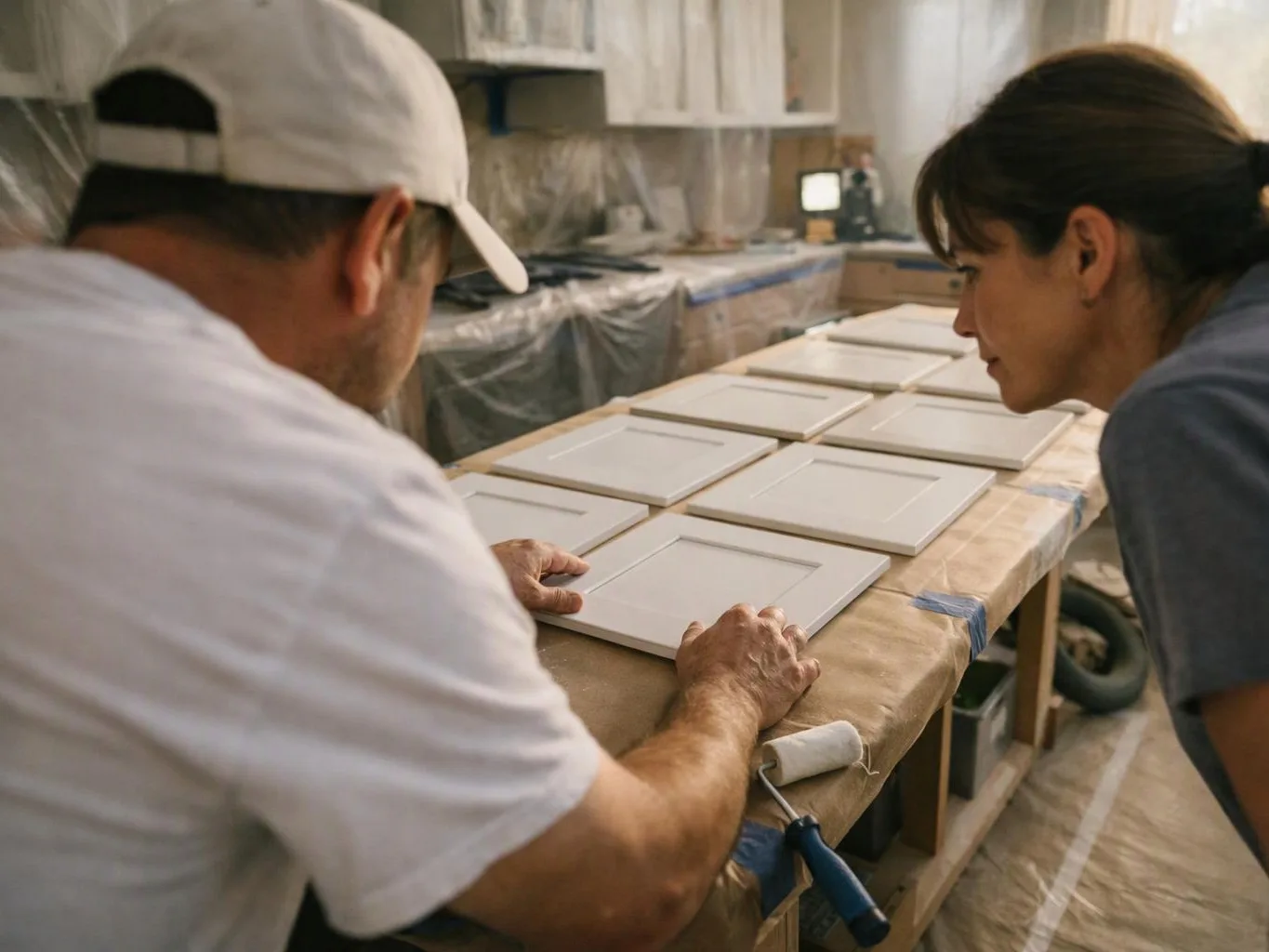
Joinery methods build custom woodwork by connecting measured wood parts into a planned feature. We begin with the design and site measurements, then review wood choice, grain direction, joints, and finish needs. The work moves through cutting, fitting, and finish sanding before the final inspection. A free consultation helps define the design before construction starts.
What should I prepare before the carpenter visits?
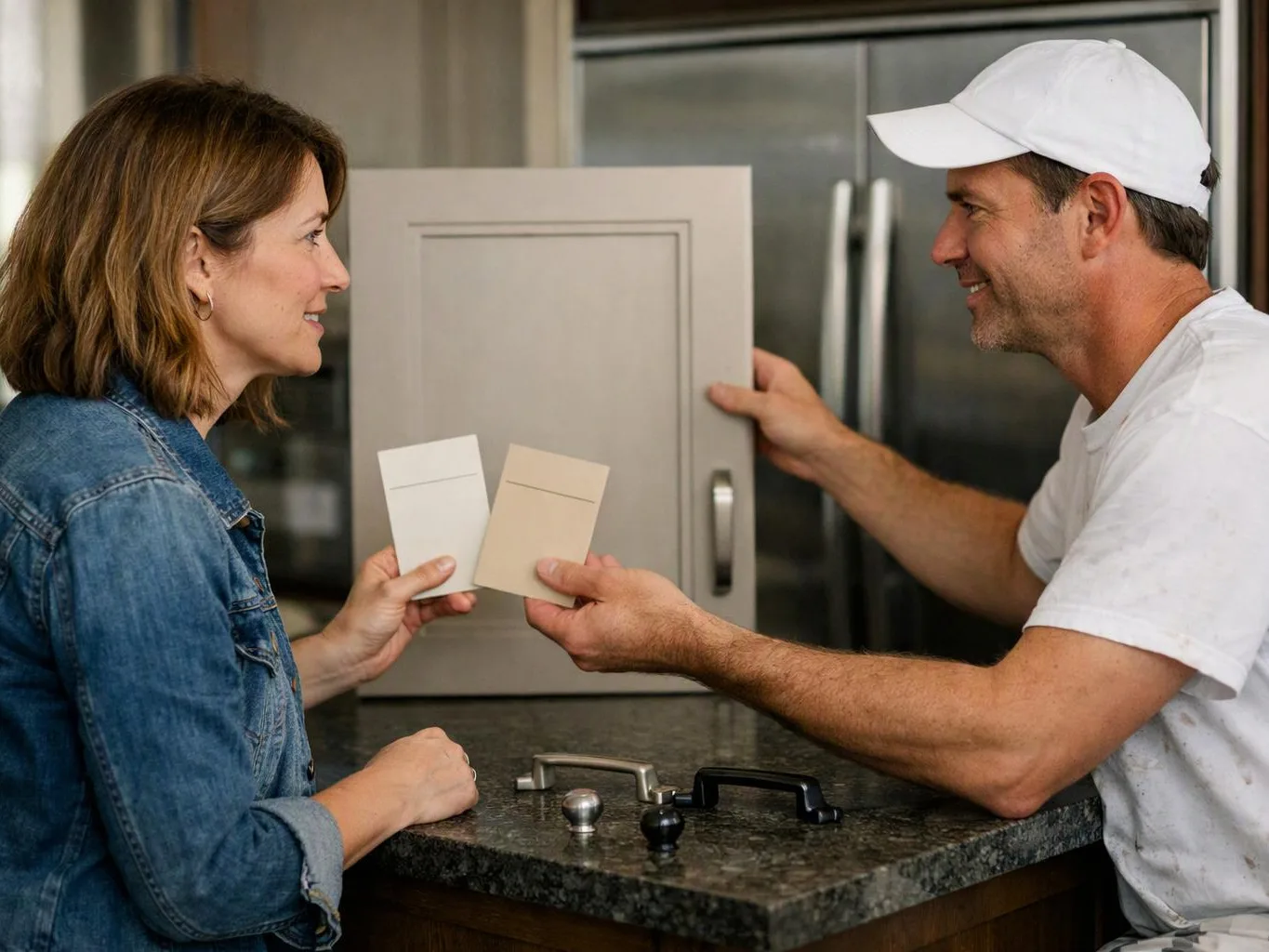
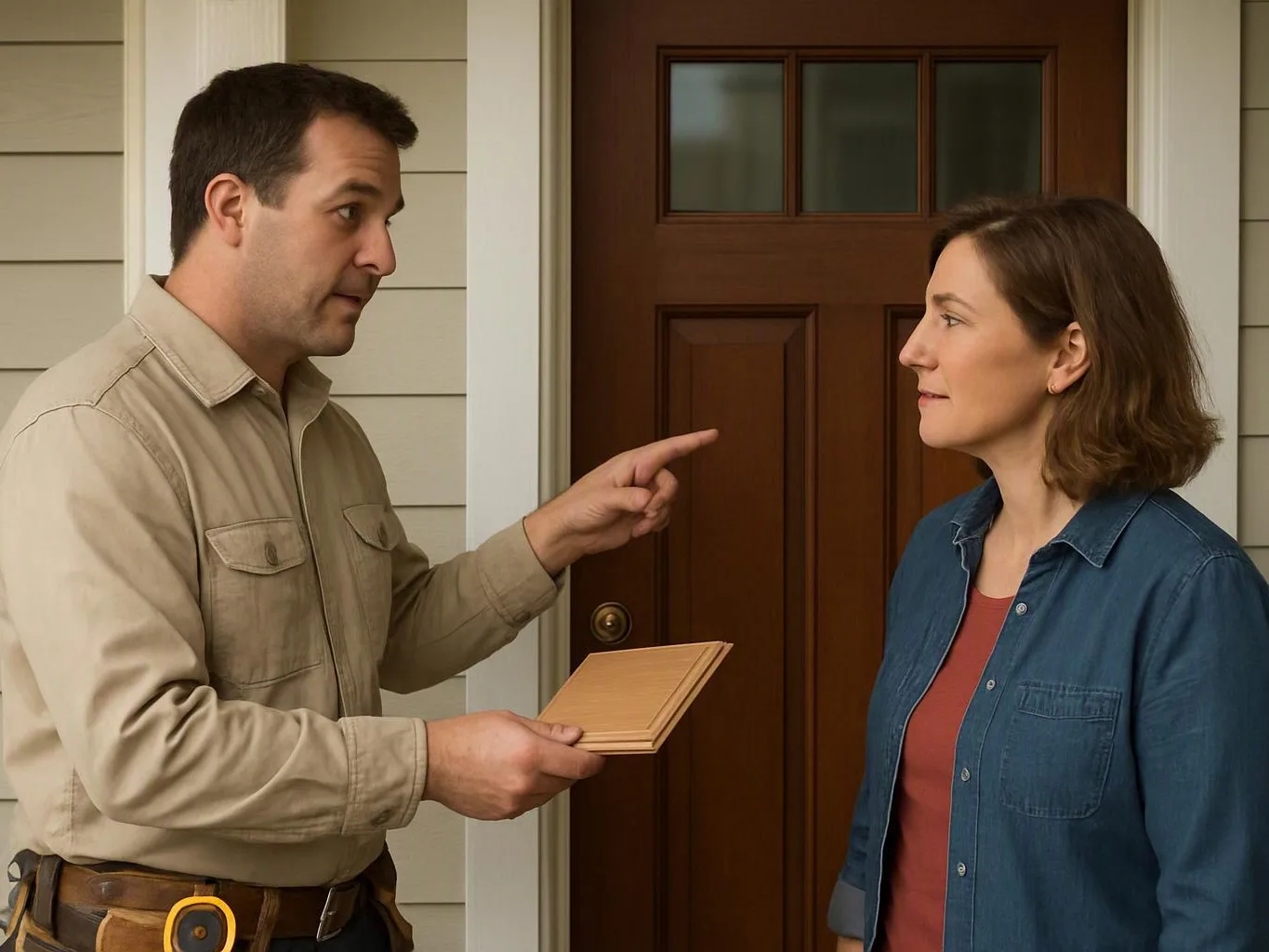
Access to the work area helps the carpenter measure the feature and inspect nearby surfaces. Please clear personal items from the immediate area and identify any access limits, design ideas, or existing damage. Photos can help explain the project before the in-home meeting, but the estimate still depends on reviewing the actual space.
Which part of custom woodwork changes the estimate most?
The design detail and condition of the existing wood often change the estimate most. A simple replacement part needs less work than a shaped feature with damaged joints, tight access, or a special finish. Material choice, measurements, sanding, and coordination with painting also affect the scope. We explain those items during the free estimate.
When is carpenter work the right fit?
Carpenter work fits projects that need wood parts cut, joined, adjusted, repaired, or prepared for a finish. Trim, cabinet parts, built-ins, and custom wood features fall within that scope. Electrical, plumbing, and structural engineering concerns need the trade that handles those systems. We can review the woodwork need and explain the proper next step.
Why does a wood joint keep opening after repair?
A wood joint can reopen when the parts no longer fit, the surrounding wood is damaged, or the joint carries stress. We check the joint shape, fasteners, wood condition, and nearby surfaces before selecting a repair. Repeated movement may call for a rebuilt section instead of another surface fix. The inspection sets the appropriate work scope.
What does finish sanding do before painting?
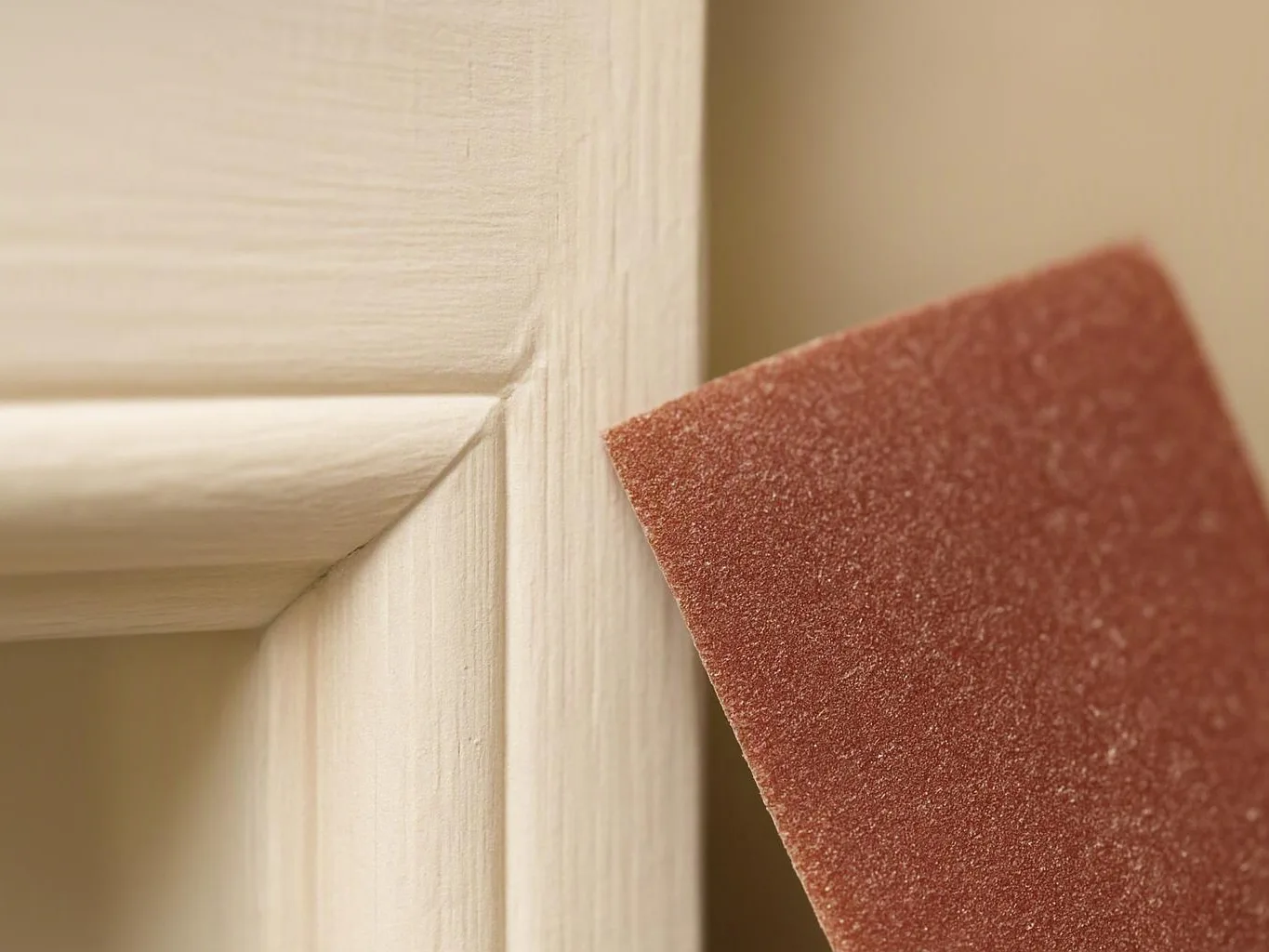
Finish sanding smooths wood fibers, edges, and filled areas before paint is applied. The sanding level depends on the wood condition and the coating planned for the surface. We check for rough spots, visible transitions, and dust before the finish stage. Good preparation helps the painted area look consistent with nearby trim and cabinets.
How should I compare custom woodwork estimates?
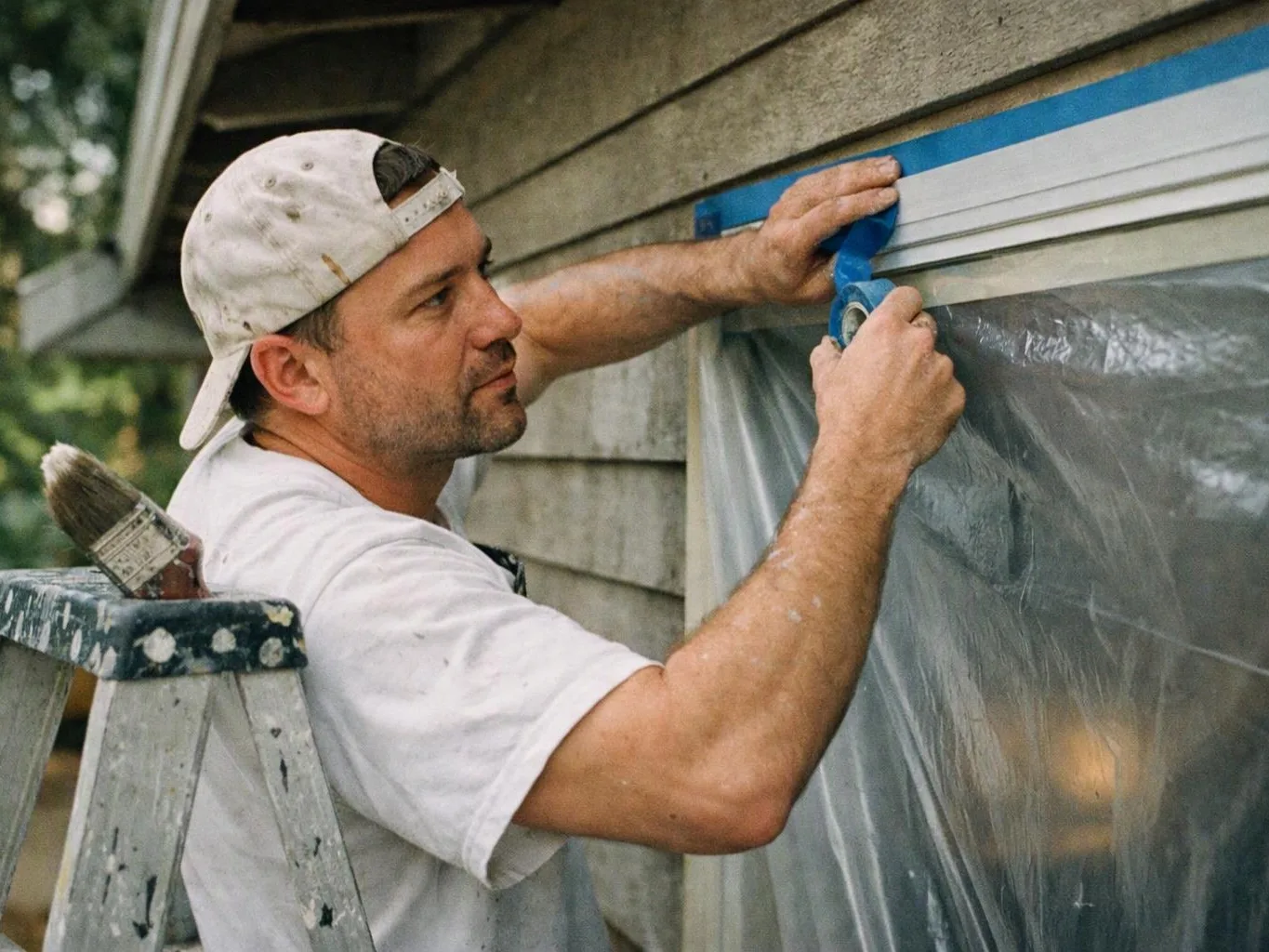
A useful estimate separates design, materials, cutting, fitting, sanding, repairs, and final inspection. Compare whether each estimate covers the same wood feature and finish preparation. Ask how access and nearby painted surfaces will be protected during the work. A clear project plan makes differences in scope easier to understand.