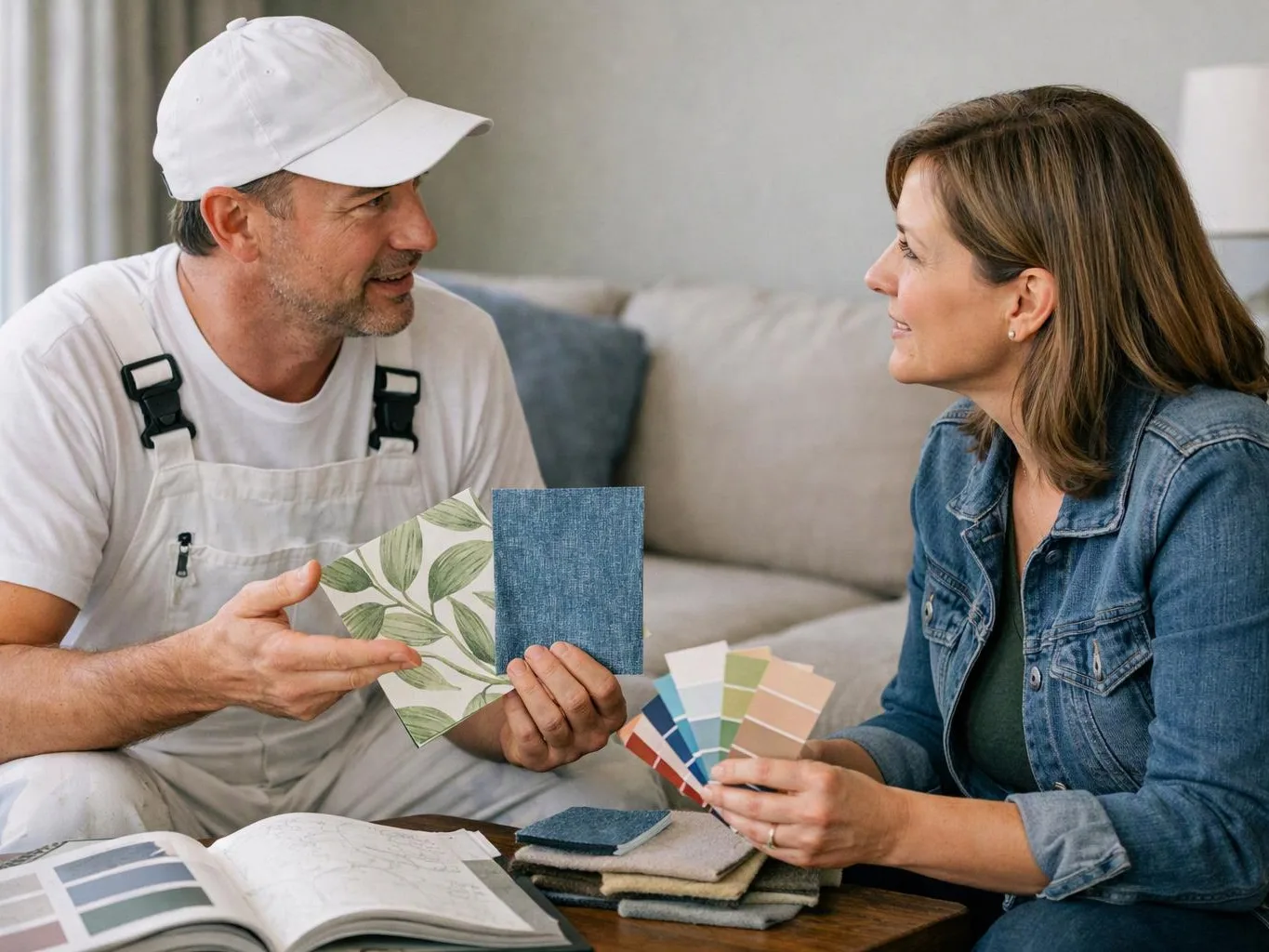
When Wallpaper Is Hard to Remove or Damages the Wall
Difficult wallpaper removal can damage drywall paper, gouge the surface, or leave stubborn paste behind. At PainterRedmondwa.com, we assess the wall, remove wallpaper carefully, repair the surface, and prepare it for painting.
Get a Free EstimateHow Do You Know Wallpaper Removal Is Damaging the Wall?
Wallpaper removal is damaging the wall when drywall paper tears, gouges appear, or the surface becomes soft and uneven.
Drywall paper protects the gypsum core beneath the wall surface. When that paper lifts, the wall needs repair before new coatings can bond well.
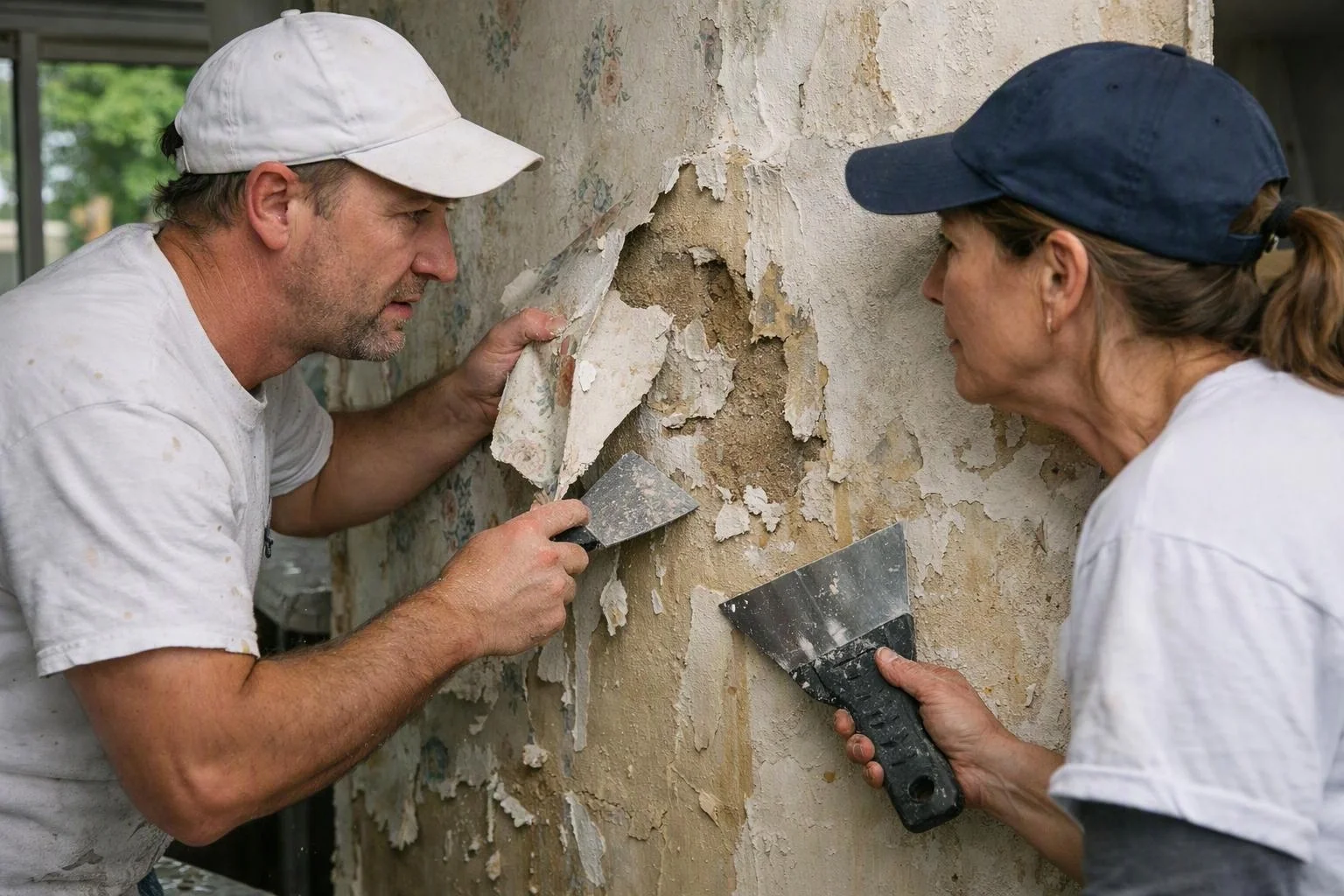
Why Does Wallpaper Refuse to Come Off?
Wallpaper refuses to come off when its face, backing, or adhesive blocks moisture from reaching the wall.
Some wall coverings release in layers, while others hold tightly to painted drywall. The right approach depends on what remains attached and how stable the wall feels.
For a broader view of our process, see our Wallpaper Removal service.
How We Remove Stubborn Wallpaper Without Worsening Wall Damage
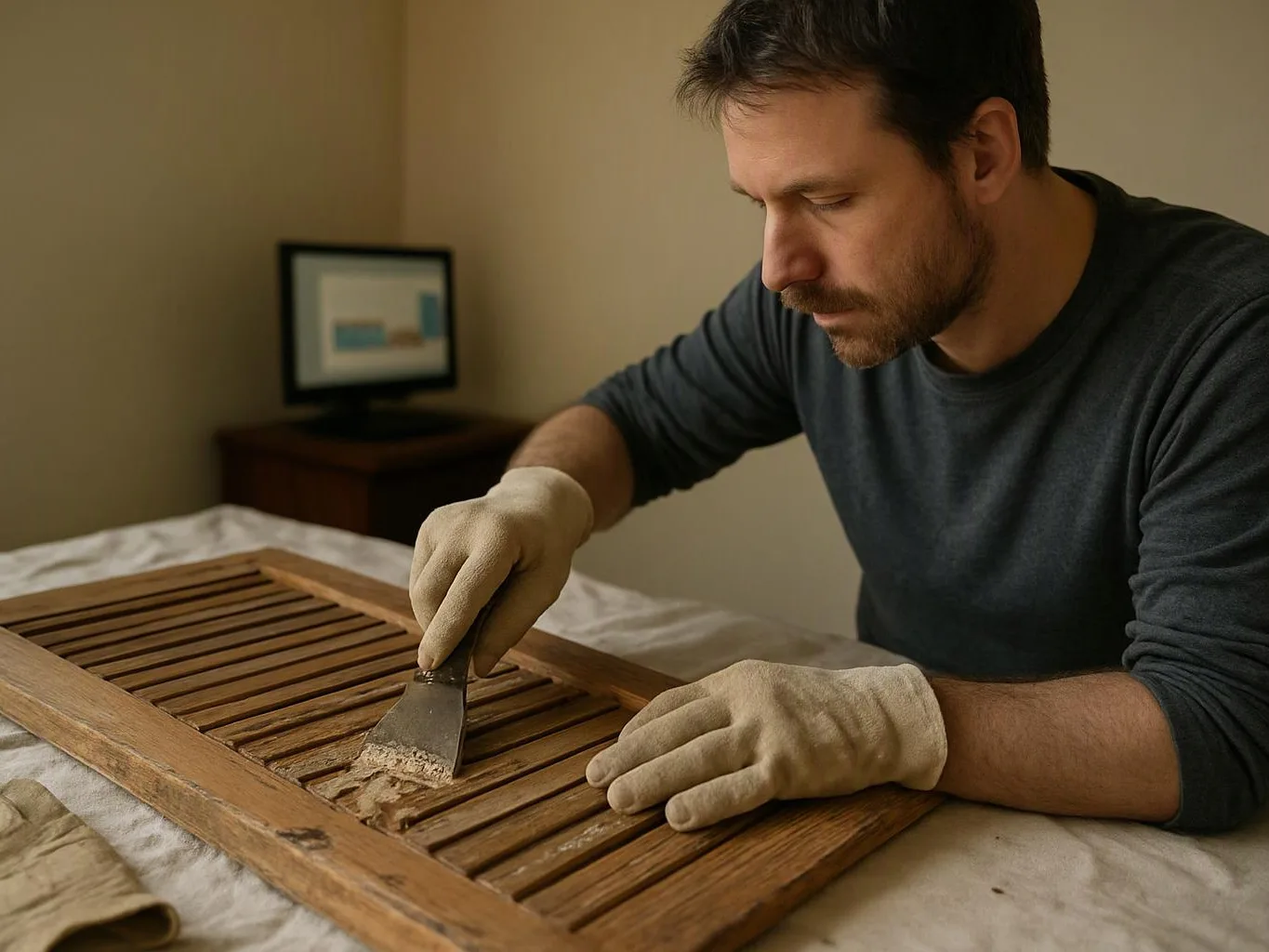
PainterRedmondwa.com starts by assessing the wall, then removes loose material and limits further damage during the process.
Our crew stops and reassesses when the wall becomes soft or the paper begins to lift. That decision helps prevent a small damaged area from spreading.
What Should You Do About Wallpaper Paste Left on the Wall?
Wallpaper paste should be removed, and the wall should be clean and stable before painting.
Adhesive residue can create surface contamination that weakens paint adhesion. We wash the wall as needed, remove softened residue, and check the surface again after it dries.
Painting over wallpaper paste can cause poor bonding, visible texture, peeling, or uneven sheen. Paste removal is part of proper surface preparation, not an optional finishing step.
How Do We Repair a Wall After Wallpaper Removal?
PainterRedmondwa.com repairs torn drywall paper, fills surface damage, smooths uneven areas, and primes the wall before paint.
We seal damaged drywall paper before applying repair materials. Joint compound can fill gouges, while wall skim coating can create a more even surface across broad damage.
After sanding, we inspect the wall for ridges and exposed spots. We use drywall texturing when the existing finish needs to match, then apply primer for better paint adhesion.
What Wall Damage Can Wallpaper Removal Reveal?
Wallpaper removal can reveal old repairs, cracks, weak drywall paper, uneven texture, and other surface conditions.
| Condition | What It Means | Recommended Response |
|---|---|---|
| Torn drywall paper | The paper face has lifted from the gypsum core. | Stabilize the surface, repair it, and prime before painting. |
| Gouges or deep scrapes | Scraping has removed part of the wall surface. | Fill and smooth the damaged area before finishing. |
| Sticky paste residue | Wallpaper adhesive remains on the wall. | Clean the residue so new coatings can bond properly. |
| Raised seams or texture | Backing, adhesive, or an uneven wall remains. | Remove loose material and level the surface as needed. |
We also look for previous paint, patched areas, wall cracks, mildew warning signs, and uneven texture. These findings help us set the right repair and finishing plan.
How Can You Prevent More Wall Damage During Removal?
More wall damage can be limited by testing the wallpaper, controlling moisture, and using steady pressure.
Small checks show whether the face, backing, or paste releases first. We use those observations to choose a safer removal method for the wall.
When Is the Wall Ready for Painting?
A wall is ready for painting when it is dry, clean, stable, smooth, and properly primed.
Dry wall surfaces help repair materials cure and help primer form a consistent layer. The wall should have no loose paper, paste film, raised edges, or soft areas.
We inspect the prepared surface before interior painting begins. Primer helps seal repairs and supports lasting paint adhesion.
What Changes the Scope of Difficult Wallpaper Removal?
The job scope changes with the wallpaper layers, adhesive strength, wall damage, repair depth, and final finish.
Wallpaper layers can add removal work, while strong adhesive can increase paste removal and cleaning. Wall size also affects how much surface must be inspected and prepared.
Deep repairs may need skim coating, sanding, primer, and drywall texturing. The chosen interior painting finish can also affect the level of smoothness needed.
How We Prepare Your Wall for Its Next Finish
PainterRedmondwa.com reviews the wall condition, explains the needed preparation, and provides free estimates for the planned work.
Requesting an estimate gives our team the information needed to review the wall and define the work clearly.
Get an estimateQuestions About Wallpaper Damage and Wall Preparation
Can removing wallpaper damage drywall?
Yes, wallpaper removal can damage drywall when scraping lifts the paper face, creates gouges, or adds too much moisture. We assess the damage and repair the surface before painting.
What happens if wallpaper paste is painted over?
Wallpaper paste can weaken paint adhesion and leave peeling, uneven sheen, or visible texture. Paste removal and wall cleaning should come before primer and paint.
Can damaged drywall paper be painted?
Damaged drywall paper should be stabilized, repaired, and primed before paint. Painting over loose paper can leave a weak surface and a visible finish.
Should wallpaper removal and wall repair be handled together?
Yes, wallpaper removal and wall repair should be planned together when the covering leaves paste, torn paper, gouges, or uneven texture. Our team can connect removal, drywall repair, priming, and interior painting into one surface preparation plan.
Related Resources
Interior Paint or Wallpaper: Which Is the Better Fit for Your Walls?
Compared ToPopcorn Ceiling Removal or Skim Coating: Compare the Project Options
Compared ToWallpaper Removal or Painting Over It: Which Service Fits the Job?
Compared ToPainting Contractor or General Contractor: Who Should You Hire?