Interior Paint or Wallpaper: Which Is the Better Fit for Your Walls?
Paint usually fits walls better when you want flexible color changes, simpler upkeep, and easier removal. Wallpaper suits feature walls and bold patterns, while PainterRedmondwa.com checks wall condition, preparation needs, and finish goals before recommending an option. Our team provides Free Estimates Available after reviewing the project details.
Get a Free EstimatePaint vs Wallpaper at a Glance
Paint is usually the more flexible wall finish, while wallpaper creates stronger patterns and texture. The right choice depends on your room function, wall condition, design goals, and plans for future changes.
- Interior paint suits flexible color updates, simple touch-ups, and broad room changes.
- Wallpaper suits feature walls, bold pattern repeats, and layered visual texture.
| Factor | Paint | Wallpaper |
|---|---|---|
| Installation cost drivers | Surface repairs, number of coats, finish, and access | Wall preparation, removal, material choice, pattern matching, and access |
| Installation timeline | Depends on repairs, coats, drying needs, and room access | Depends on removal, smoothing, pattern matching, and room access |
| Maintenance | Simple cleaning and touch-up painting | Careful cleaning and seam monitoring |
| Best-fit rooms | Bedrooms, living rooms, hallways, and changeable spaces | Dining rooms, foyers, powder rooms, and feature walls |
When Interior Paint Is the Better Fit
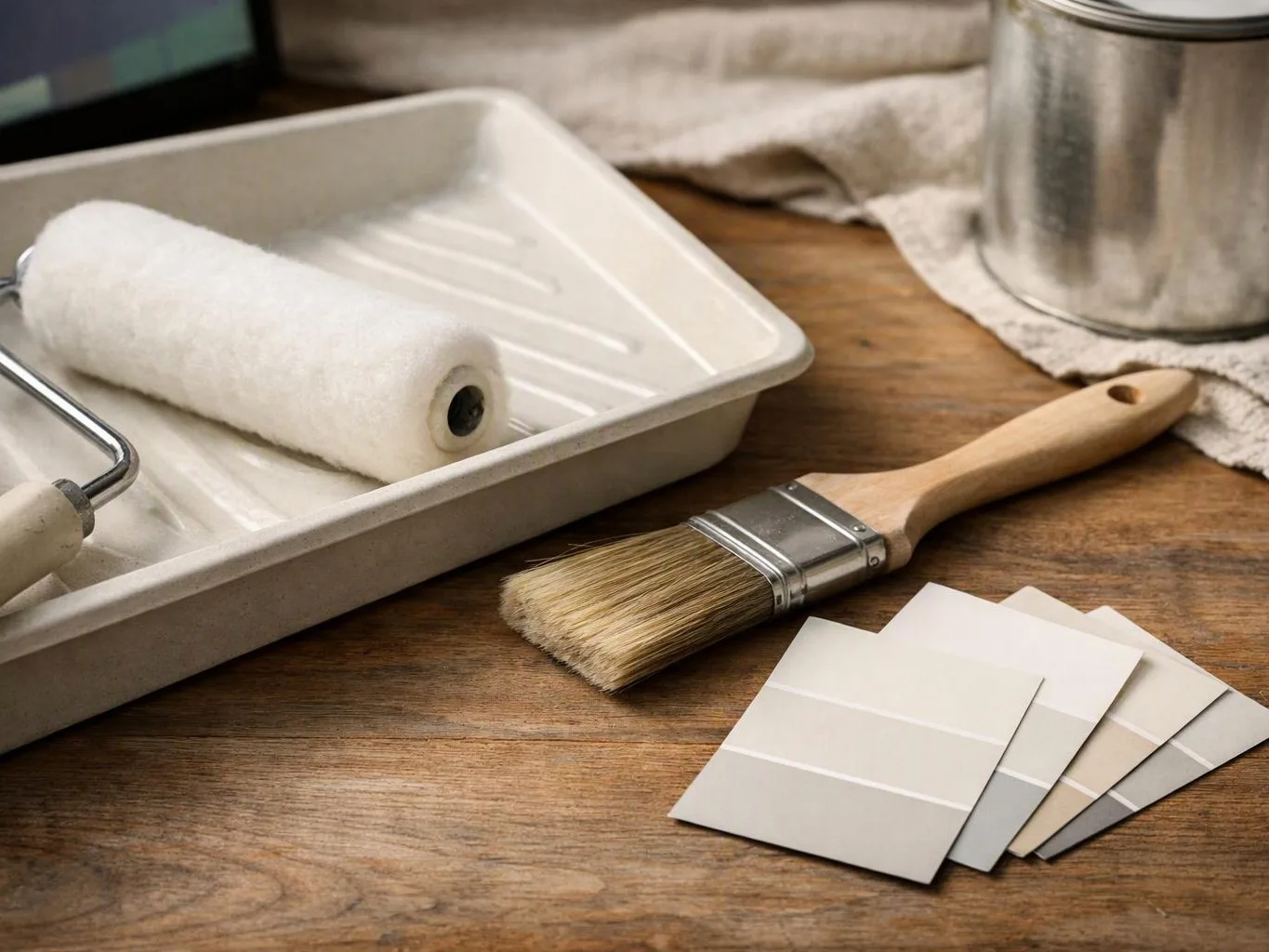
Interior paint is the better fit when you want easy color changes, simple touch-ups, and broad design flexibility. Our Interior Painting process connects wall color, paint sheen, and room use.
Painted walls make room changes easier because a new color can refresh the space without removing a wall covering. We also review how light, furniture, and nearby finishes affect the final color.
Advantages of Interior Paint
Best for: interior paint suits rooms that need flexible design updates and practical maintenance.
Paint Is Best for Flexible, Changeable Rooms
Paint is best for bedrooms, living rooms, hallways, and rental-friendly updates. These spaces often change as furniture, artwork, or household needs change.
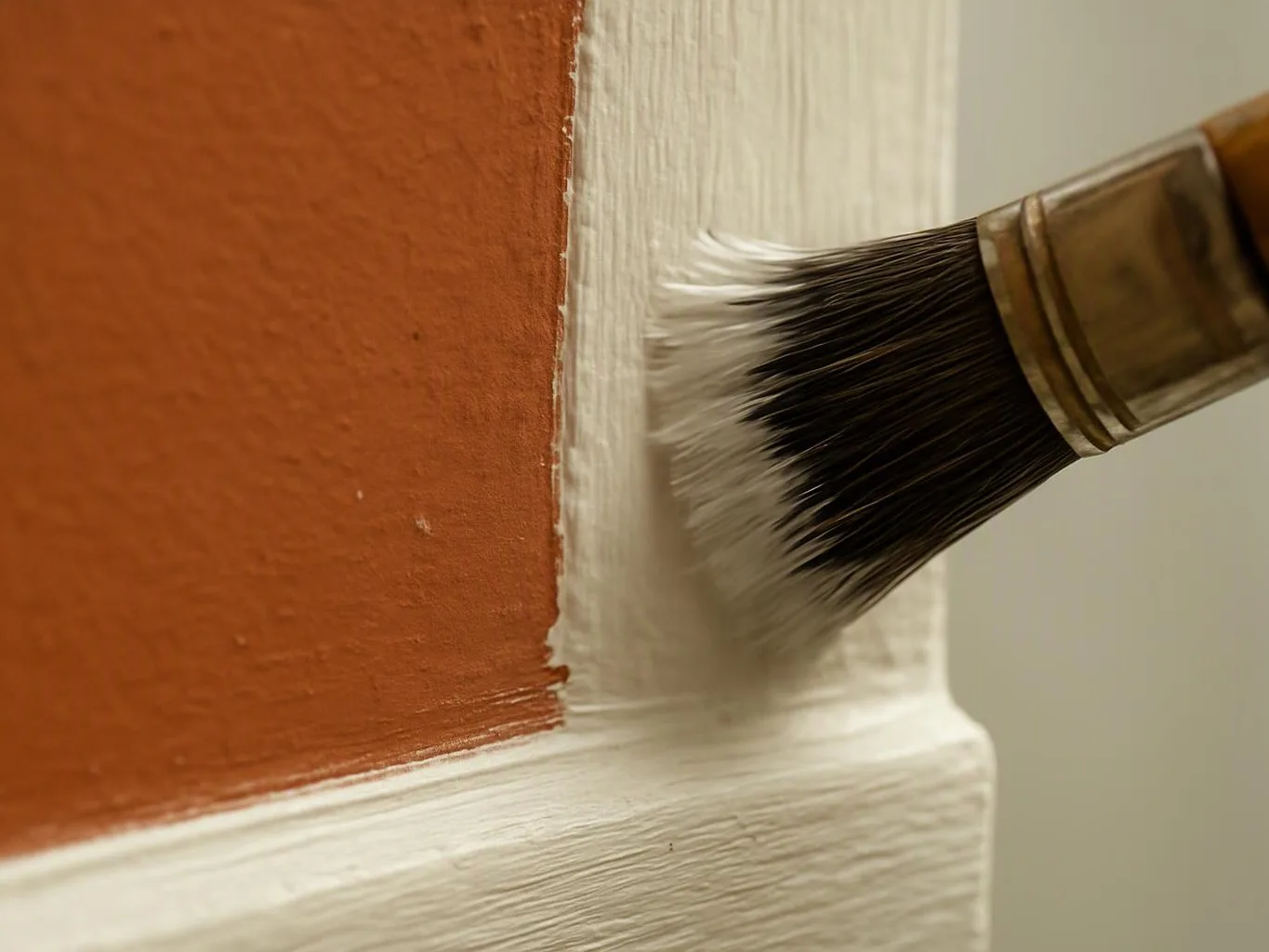
An accent wall can add focus without covering every wall. We help match the color and sheen to the room’s function and future repainting plans.
When Wallpaper Is the Better Fit
Wallpaper is the better fit when you want a strong pattern, layered texture, or a distinctive feature wall. Wallpaper installation can give a room more character than a single paint color.
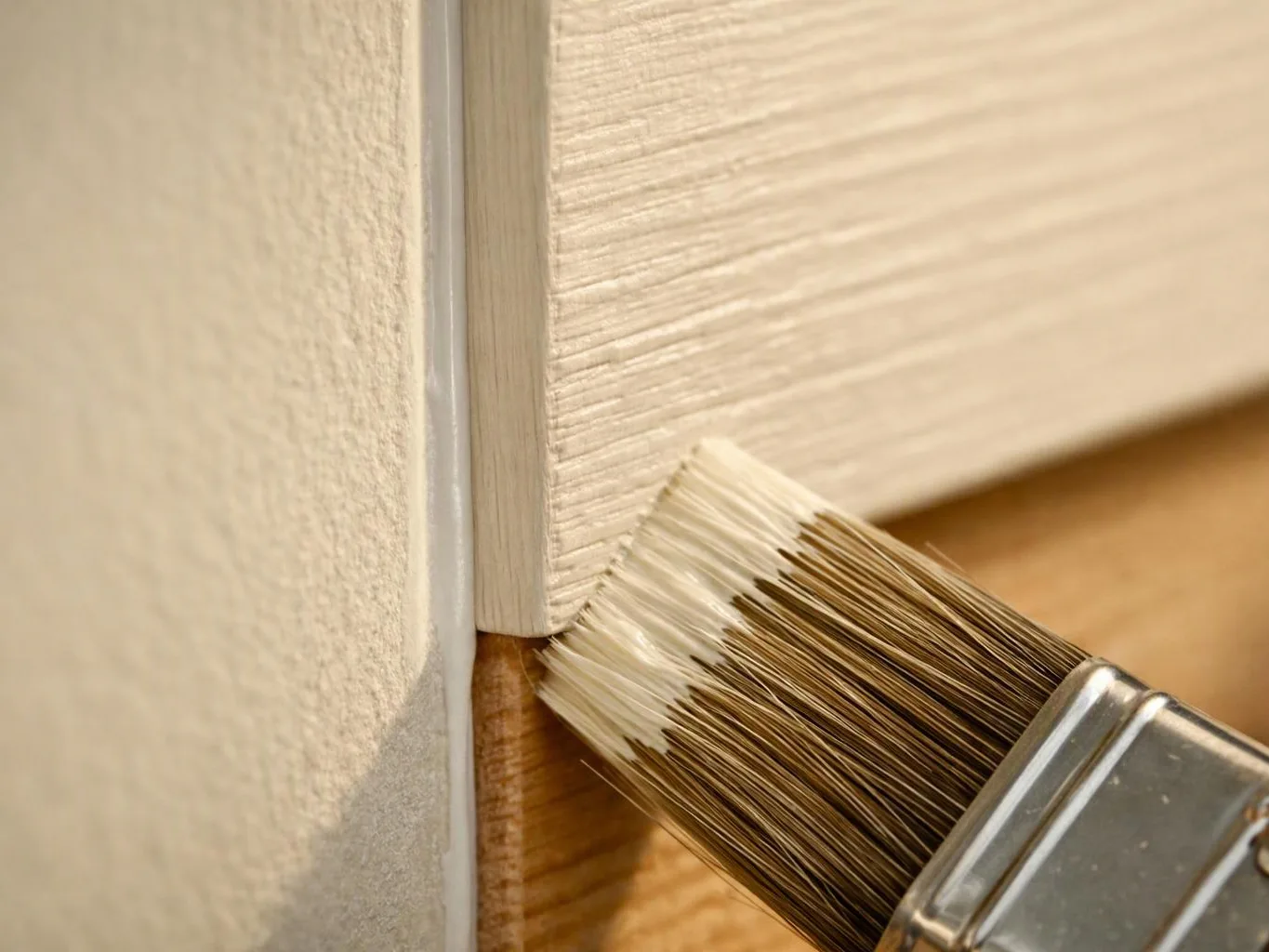
Our team reviews the wallpaper pattern, texture, seams, corners, and surrounding trim before planning the work. Pattern scale also matters because large designs can dominate a small room.
Advantages of Wallpaper
Best for: wallpaper suits rooms where pattern, texture, and visual impact guide the finish selection.
Wallpaper Is Best for Defined Design Statements
Wallpaper is best for accent walls, dining rooms, powder rooms, and foyers that benefit from a clear design statement. A smaller space can support a stronger pattern because the wall finish becomes part of the room’s identity.
We consider pattern scale, available light, wall size, and nearby surfaces. These details help keep the wallpaper balanced with the room.
What Wall Preparation Does Each Option Need?
Both options need clean, sound walls, but wallpaper shows surface flaws more readily and needs careful smoothing. Wall preparation affects the appearance and performance of either finish.
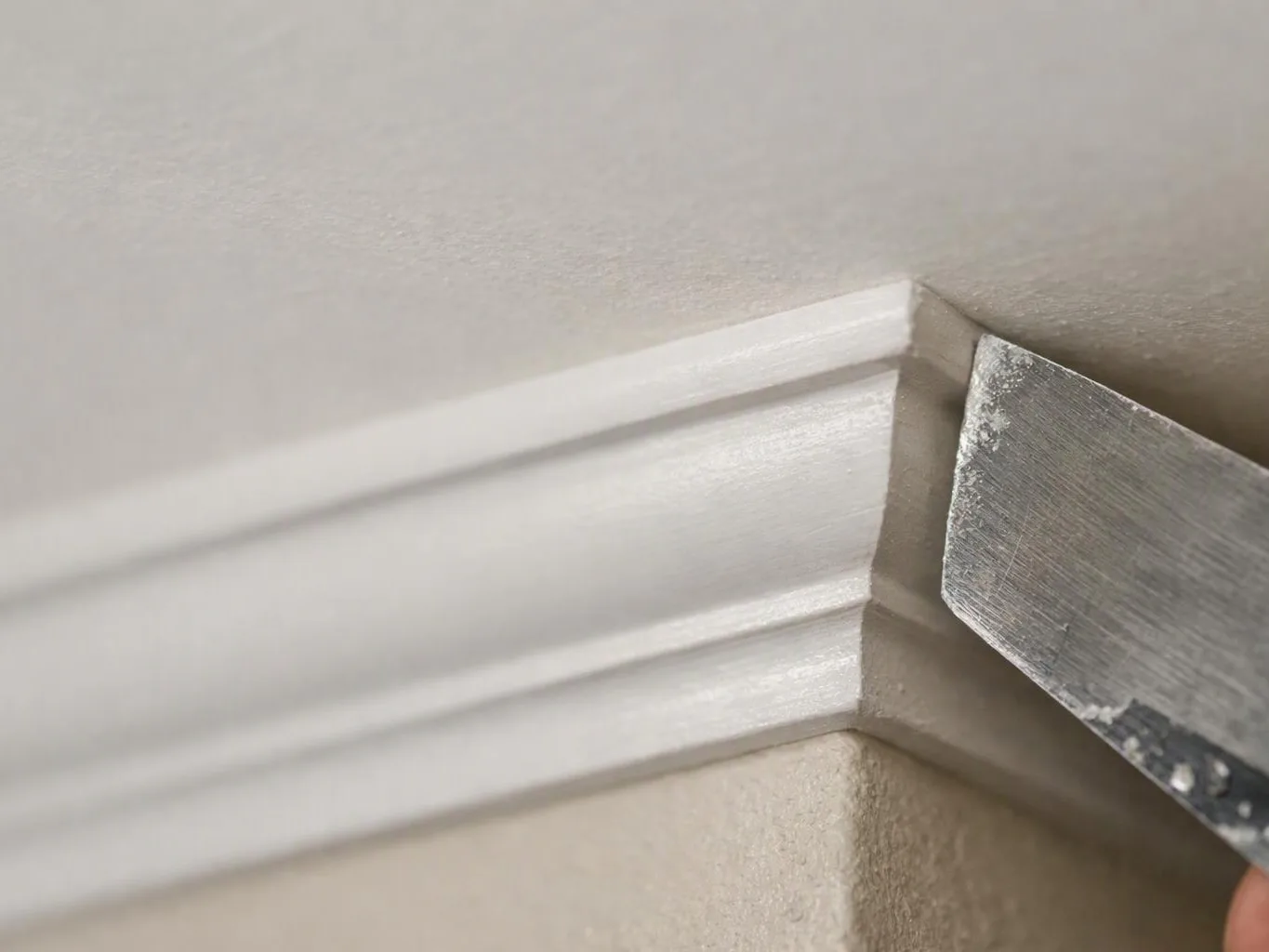
We check drywall, nail holes, cracks, uneven surfaces, and signs of peeling wallpaper. Surface repair may include filling, sanding, cleaning, and primer so the finish bonds evenly.
Old wallpaper removal needs care because leftover adhesive can affect new wallpaper or paint. Our team chooses the preparation steps after reviewing the wall condition.
What Changes the Cost of Paint Versus Wallpaper Installation?
The job's wall condition, preparation, materials, access, and finish complexity determine the cost, so we review those details before providing a quote. Paint and wallpaper installation have different material and labor needs.
Wall surface area, surface repairs, wallpaper removal, number of coats, paint finish, and material selection all affect the work. Wallpaper pattern matching can also add care during installation.
We provide Free Estimates Available after reviewing the walls and the requested finish. Our estimate explains the planned preparation, installation work, and included materials.
How We Help You Choose and Prepare the Walls
We review the walls and design goal first, then recommend the finish that fits the room and project conditions. Our team keeps the estimate tied to the actual wall condition.
Which Finish Fits Your Walls Best?
Choose paint for flexible updates and choose wallpaper for pattern or texture that becomes the room's main feature. The paint versus wallpaper decision should follow room function, design goals, maintenance needs, and future changes.
Paint usually supports easier color changes and touch-up work. Wallpaper can create a stronger decorative treatment when the wall condition supports careful installation.
We can review your wall condition and help connect the finish to your room design. To request an estimate, use our contact page.
Questions About Paint and Wallpaper
Can wallpaper go over painted walls?
Yes, wallpaper can go over painted walls when the paint is sound and the surface is clean, smooth, and properly prepared. Our team checks adhesion, repairs flaws, and uses primer when the wall needs it.
Is wallpaper harder to maintain than painted walls?
Yes, wallpaper often needs more careful cleaning and seam monitoring than painted walls. Paint usually makes small touch-up work simpler when marks or wear appear.
Can paint and wallpaper work together on one accent wall?
Yes, paint and wallpaper can work together when the colors, pattern scale, and room lighting support one design. Our team can coordinate the wallpaper feature wall with painted surrounding walls.
What wall problems should be fixed before wallpaper installation?
Cracks, nail holes, loose drywall paper, uneven surfaces, peeling wallpaper, adhesive residue, and moisture damage should be addressed first. Our team reviews each issue so the wallpaper has a smooth, stable surface.