Painting Contractor or General Contractor: Who Should You Hire?
Hire a painting contractor when painting is the main scope, and choose a general contractor when the project combines painting with several trades. PainterRedmondwa.com can explain what the painting scope requires and provide a free estimate. The right choice depends on surface condition, repair needs, access, scheduling, and trade coordination.
Get a Free EstimateShould You Hire a Painting Contractor or a General Contractor?
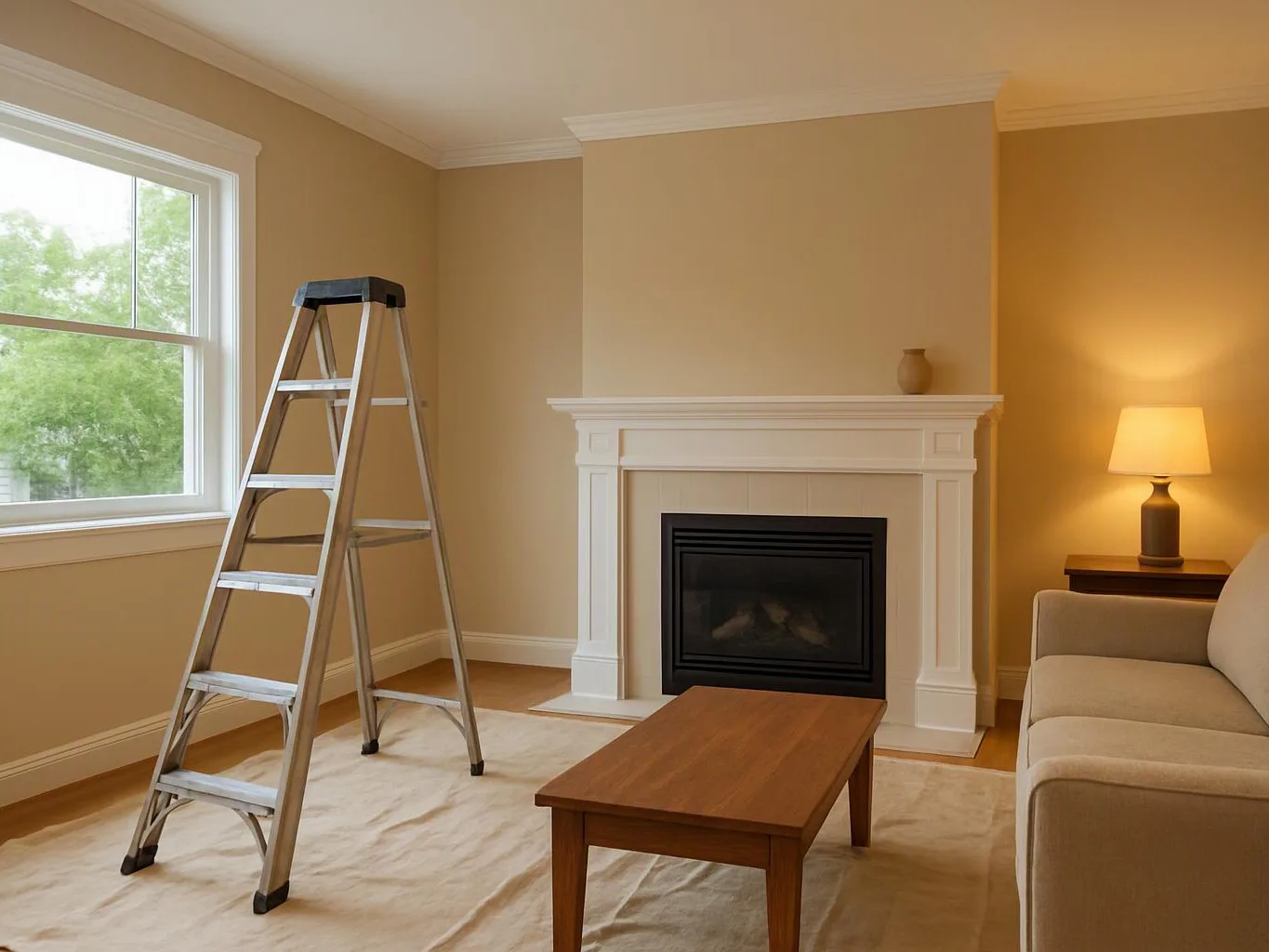
Painting contractors fit projects where surface preparation and paint application are the main tasks. We handle interior painting, exterior painting, and commercial painting with attention to color application and finish quality.
General contractors fit construction work that includes painting alongside several other trades. A general contractor may coordinate carpentry, flooring, plumbing, electrical work, or other renovation tasks.
Hire a painting contractor when paint preparation and application are the main tasks. Hire a general contractor when painting is one part of a larger project with several trades.
Painting Contractor vs General Contractor at a Glance
A painting contractor offers focused paint expertise, while a general contractor coordinates painting with broader construction work. Cost, timing, maintenance needs, and project fit depend on the work included.
The table compares the main decision points before you choose a contractor service.
| Factor | Painting Contractor | General Contractor | Best Fit |
|---|---|---|---|
| Project scope | Paint preparation and application | Several construction trades | Choose by the number of trades involved |
| Cost drivers | Surface condition, materials, access, and paint areas | Construction scope, subcontractors, materials, and coordination | The option with fewer required services may have simpler cost planning |
| Project timeline | Centered on preparation, coats, drying, and review | Depends on construction sequencing and trade availability | Use the provider that controls the needed work |
| Maintenance | Focused advice for painted surfaces | May cover maintenance across several finished systems | Match maintenance planning to the finished work |
What Does a Painting Contractor Handle?
A painting contractor is a trade contractor that prepares surfaces and applies coatings to interior, exterior, residential, or commercial spaces.
Our work can include surface preparation, sanding, patching, caulking, priming, and finish coats. We also plan color application, trim painting, wall painting, protection, and cleanup.
Surface condition affects the final result. Peeling paint, stains, cracks, moisture damage, and uneven repairs may require added preparation before new coatings can perform well.
Why Choose a Painting Contractor for a Paint-Focused Project?
A paint-focused project benefits from a crew that concentrates on coatings, preparation, and finish quality. Our team keeps the work centered on the painted surfaces and the protection of your property.
A painting contractor is the best fit when the project’s main goal is a clean, durable painted finish.
What Does a General Contractor Handle?
A general contractor is a construction manager that coordinates multiple trades and keeps a broader renovation or building project moving.
A general contractor may manage subcontractors, construction sequencing, materials, permits, inspections, and site access. The general contractor also connects each part of the construction project to the larger schedule.
Painting may be one work package within a renovation. The painting contractor may then work alongside other crews under the general contractor’s project coordination.
Why Choose a General Contractor for a Larger Renovation?
A larger renovation benefits from one party managing the relationship between trades. The general contractor helps keep each phase connected to the overall construction plan.
A general contractor is the best fit when painting depends on several other construction tasks.
Which Contractor Fits Your Project?
A painting contractor fits a project centered on painting, while a general contractor fits a project that also needs several construction trades.
A paint-only project, whole-property painting, or commercial property refresh usually has a clear painting scope. Our team can review the surfaces, preparation needs, access, materials, and finish goals.
A room renovation may need either option. Choose based on whether the work includes only paint-related preparation or also requires construction work managed across several trades.
For broader contractor needs, our Contractor service page explains how we approach project scope and coordination.
What Changes the Cost of Painting Contractor and General Contractor Work?
The project scope changes the cost most: surface repairs, access, materials, paint areas, and trade coordination all affect the estimate. We review the work and provide a free estimate based on the actual scope.
Labor scope grows when surfaces need extensive preparation, repairs, multiple coatings, or careful access planning. Material selection also matters because primer, finish coat, sheen, and paint products serve different purposes.
General contractor work can include added coordination for subcontractors, construction sequencing, site management, and work outside the painting scope. A clear paint estimate separates those items from the coating work.
What Should a Painting Estimate Include?
A painting estimate should identify the work areas, preparation, coatings, repairs, materials, cleanup, and exclusions.
Clear estimate inclusions help you understand the work before painting begins. The estimate should also show where another trade or added approval may be needed.
How We Check the Scope Before Painting Begins
PainterRedmondwa.com starts with a site assessment that connects the requested finish to the actual surface condition. Our team checks the work areas before we prepare a paint estimate.
We inspect for moisture damage, peeling paint, cracks, stains, failed caulk, and areas that may need repair. We also review access, ladder work, nearby property, ventilation, and work protection.
Our crew then explains the preparation plan, paint products, finish goals, estimate inclusions, and estimate exclusions. A final walkthrough helps confirm the completed work and any remaining questions.

What Questions Should You Ask Before Hiring a Painting Contractor?
Ask who handles preparation, what the estimate includes, which materials are used, how the site is protected, and how the finished work is reviewed.
These questions make the project scope easier to compare with the work you need. They also help prevent unclear responsibilities during preparation and cleanup.
What If the Project Includes Painting and Other Work?
Use a general contractor when painting must be coordinated with several other trades. Use a painting contractor when the added work is limited to paint-related preparation or repairs.
Trade coordination matters when repairs affect the renovation sequence or construction schedule. A general contractor can manage the order of work and coordinate subcontractors.
Our team can handle painting when the scope stays within surface preparation, minor repairs, coating application, protection, and cleanup. Larger structural, electrical, plumbing, or other regulated work should be handled by the properly qualified trade through the project manager.
Choose the Contractor That Matches the Work
A painting contractor is the right choice when interior painting, exterior painting, or commercial painting is the main project. Our team can review the surface condition, preparation needs, paint products, access, and finish goals.
A general contractor is the right choice when painting is one part of a multi-trade renovation. The best decision follows the project scope, not the job title alone.
When you’re ready to define the painting work, request a free estimate through our contact page.
Questions About Choosing a Painting or General Contractor
Can a painting contractor handle minor wall repairs?
Yes, a painting contractor can handle minor wall repairs when they support the painting scope. Our team can prepare small cracks, holes, gaps, and peeling areas before applying primer and finish coats.
Is a general contractor needed for interior painting?
No, a general contractor isn't needed when interior painting is the main work. A painting contractor fits the project when the scope does not require several construction trades.
Who coordinates painting with remodeling work?
A general contractor coordinates painting with remodeling work when several trades share the project. The general contractor manages trade coordination, construction sequencing, and the broader schedule.
What should be included in a commercial painting estimate?
A commercial painting estimate should include the work areas, surface preparation, paint products, finish requirements, access needs, worksite protection, cleanup, repairs, and exclusions.
How does surface preparation affect a painting project?
Surface preparation affects how well new coatings bond, cover, and look after application. Our team checks peeling paint, moisture damage, cracks, stains, and surface repairs before choosing the preparation plan.