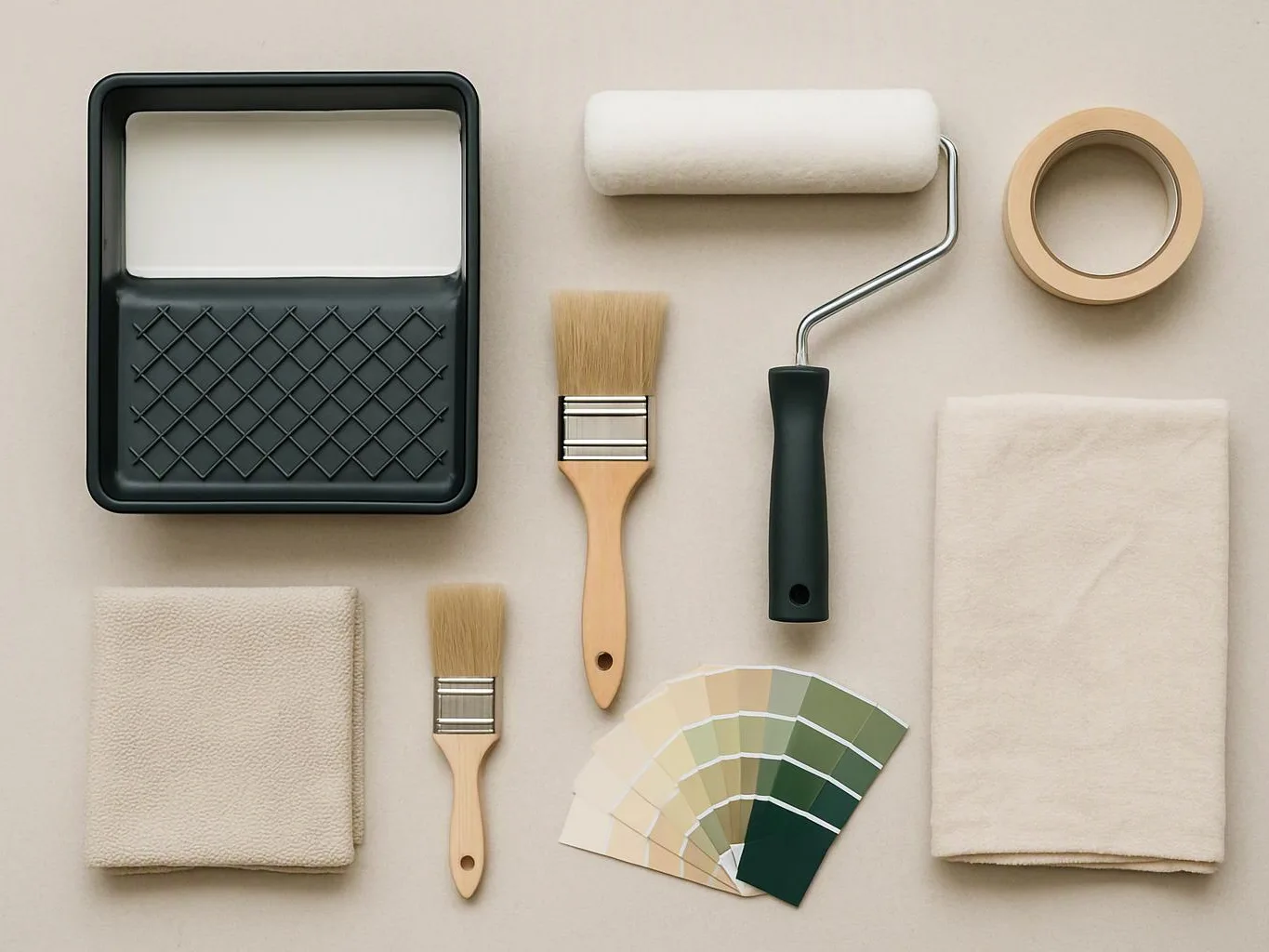
Paint Stripping or Repainting: Which Preparation Service Does Your Project Need?
Paint stripping removes failing or unsuitable coatings, while repainting works when existing paint is sound and well bonded. At PainterRedmondwa.com, we check the surface condition, finish goals, and preparation needs before recommending the right approach. The decision depends on adhesion, coating failure, substrate condition, and the finish you want.
Get a Free EstimateOptions at a Glance
- Paint stripping fits surfaces with widespread failure, heavy buildup, or contamination.
- Repainting fits stable existing paint that needs a color change or surface refresh.
Paint Stripping vs Repainting: What’s the Difference?
Paint stripping removes existing coating so we can inspect and prepare the underlying surface. Repainting keeps a sound existing coating and adds preparation, primer, and new finish coats.
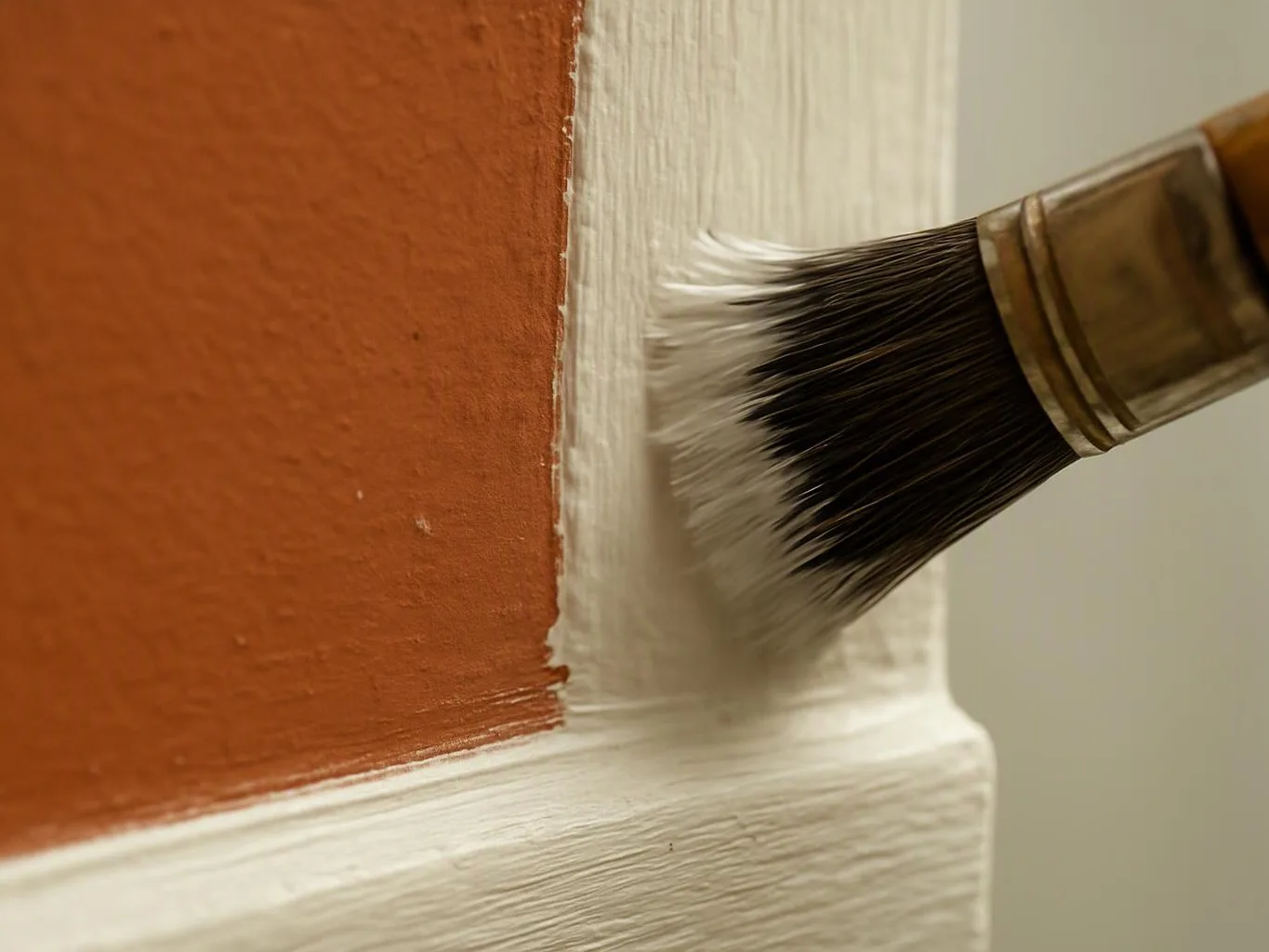
Both services depend on careful surface preparation. We clean the surface, scrape loose paint, sand edges, and repair damaged areas when needed. The right choice protects paint adhesion and supports a durable finish.
Our paint stripping service can address failed coatings before exterior painting, refinishing, or deck staining.
Quick Comparison: Paint Stripping or Repainting?
Paint stripping usually requires more preparation because the existing coating must be removed and the surface inspected. Repainting usually involves less removal work when the existing finish is stable, but the final scope still depends on repairs, access, and coating compatibility.
| Factor | Paint Stripping | Repainting | Best-Fit Project |
|---|---|---|---|
| Project cost | Usually higher when removal, containment, and repairs are extensive. | Usually lower when the existing coating is sound. | The surface condition determines the actual quote. |
| Project timeline | More preparation stages are involved. | Fewer preparation stages may be needed. | Access, repairs, drying, and finish requirements matter. |
| Maintenance | Creates a clean base for a new coating system. | Refreshes protection over a stable base. | The best choice follows coating condition. |
| Best-fit project | Severely peeling surfaces, damaged wood, and heavy buildup. | Stable painted surfaces, minor wear, and color updates. | Choose based on adhesion and substrate condition. |
We explain the removal effort, surface repairs, access conditions, containment, primer, and finish coats in the project quote. Request a quote so our team can match the preparation to the surface.
When Does Paint Stripping Make Sense?
Paint stripping makes sense when the existing coating is failing, incompatible, contaminated, or too thick for reliable repainting.
Peeling paint, flaking paint, and blistering can signal coating failure. Multiple coating layers may also hide damaged wood or prevent proper adhesion. Surface contamination, such as residue or incompatible finish, can create similar problems.
We assess whether the old coating can support new paint. If not, we remove old paint and prepare the substrate before selecting the next coating.
Advantages of Paint Stripping
Best for Paint Stripping
Paint stripping is best for surfaces where failed or excessive coating prevents dependable preparation and adhesion.
We commonly consider it for severely peeling surfaces, damaged wood, deck restoration, and historic coating buildup. The wood condition still matters because stripping cannot replace needed surface repairs.
Best for: surfaces that need failed or excessive coating removed before refinishing.
When Can You Repaint Over Existing Paint?
Repainting works over existing paint when the coating is firmly bonded, clean, dry, and free from widespread damage.
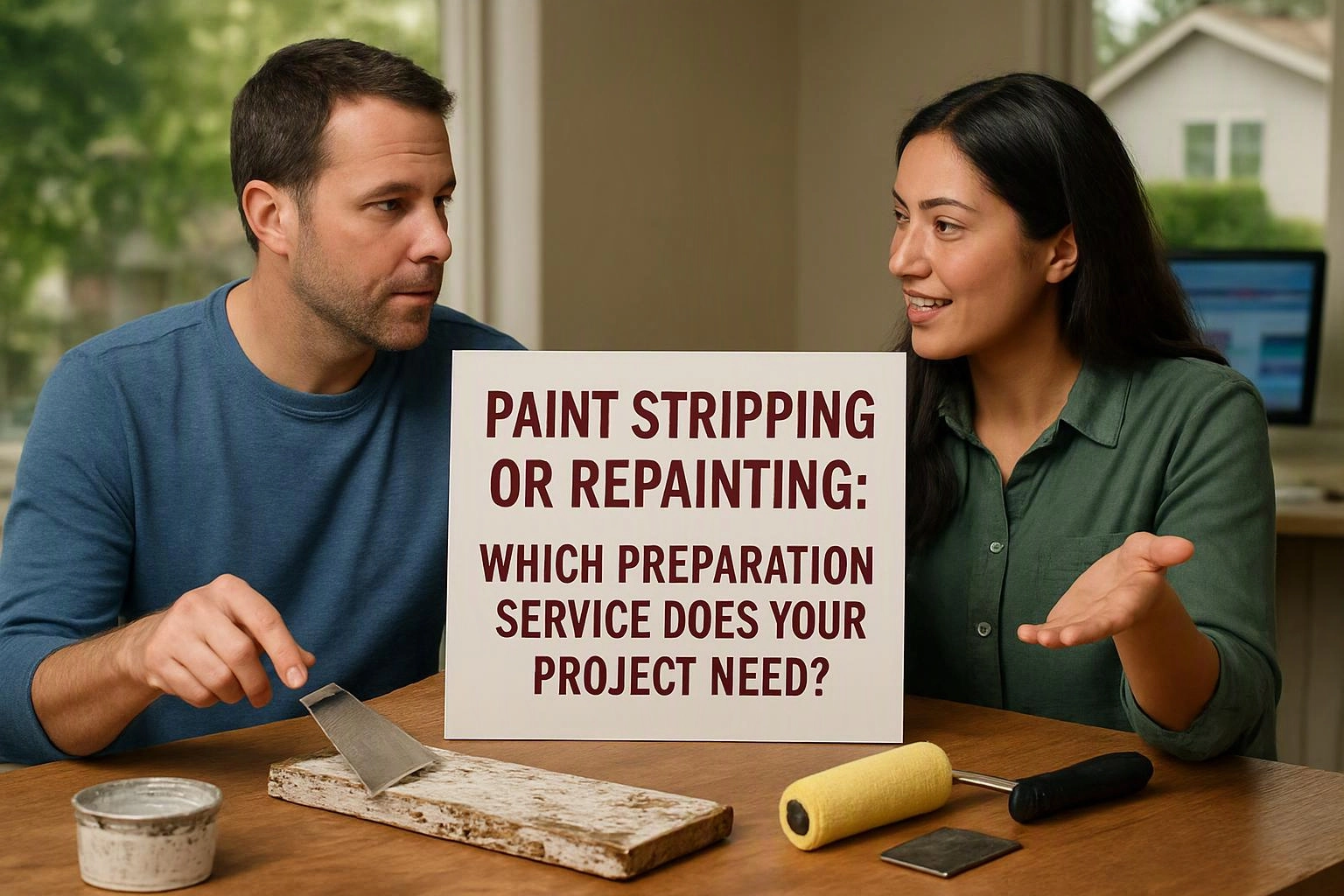
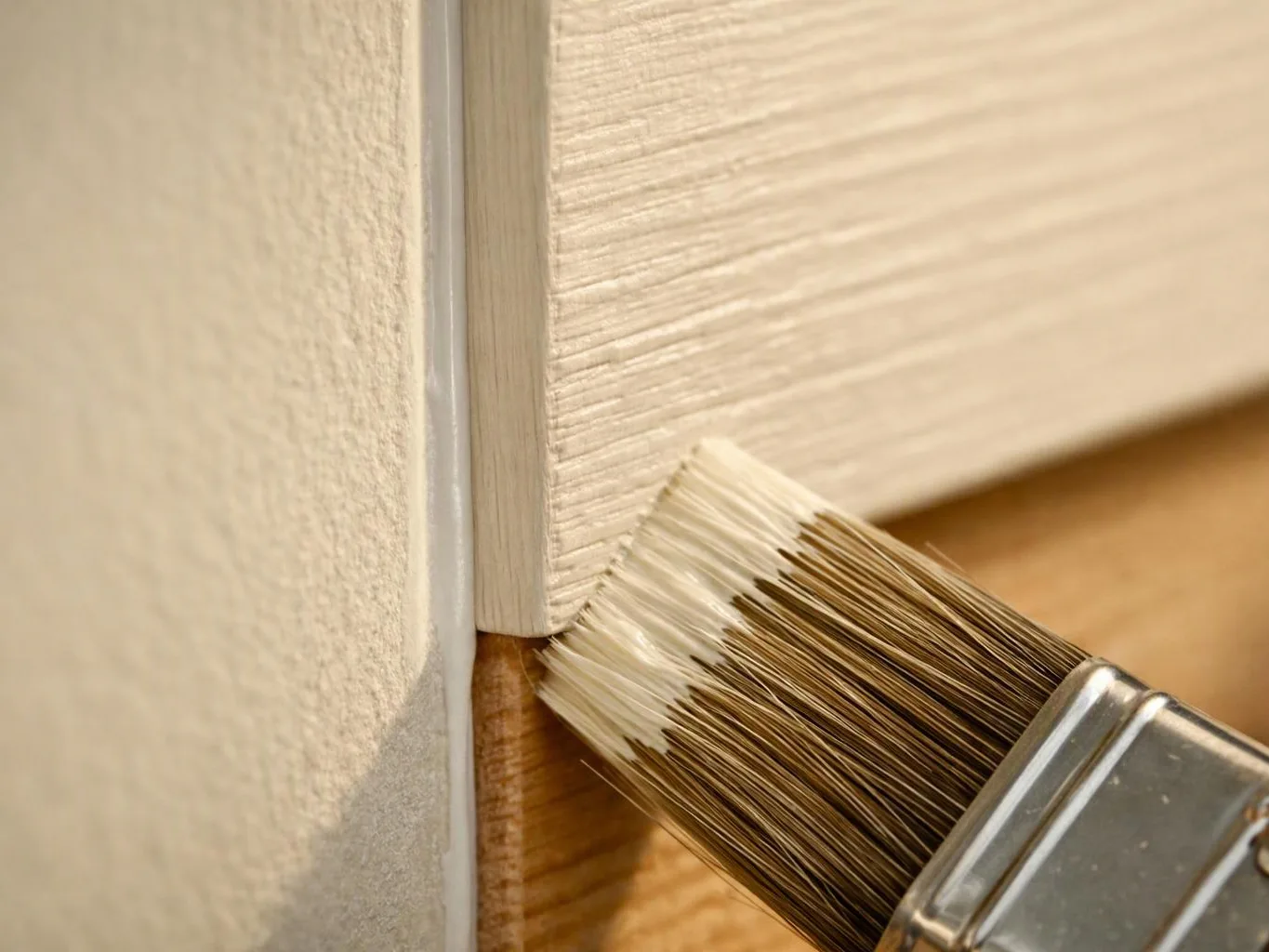
We check paint adhesion before recommending a recoat. Surface cleaning, light sanding, spot repairs, and primer may be needed to create a stable base.
Glossy paint can accept new paint after suitable cleaning, surface preparation, and primer selection. Peeling or loose areas still need removal before the new finish is applied.
Advantages of Repainting
Best for Repainting
Repainting is best for stable surfaces that need a new color or refreshed protection without full coating removal.
It fits stable painted surfaces, minor wear, color updates, and routine maintenance. We still clean and prepare the surface so the new finish bonds properly.
Best for: sound existing paint that needs a clean color or protection update.
Should an Existing Deck Finish Be Stripped Before Staining?
An existing deck finish should be stripped before staining when it blocks absorption, peels, or leaves an uneven surface.
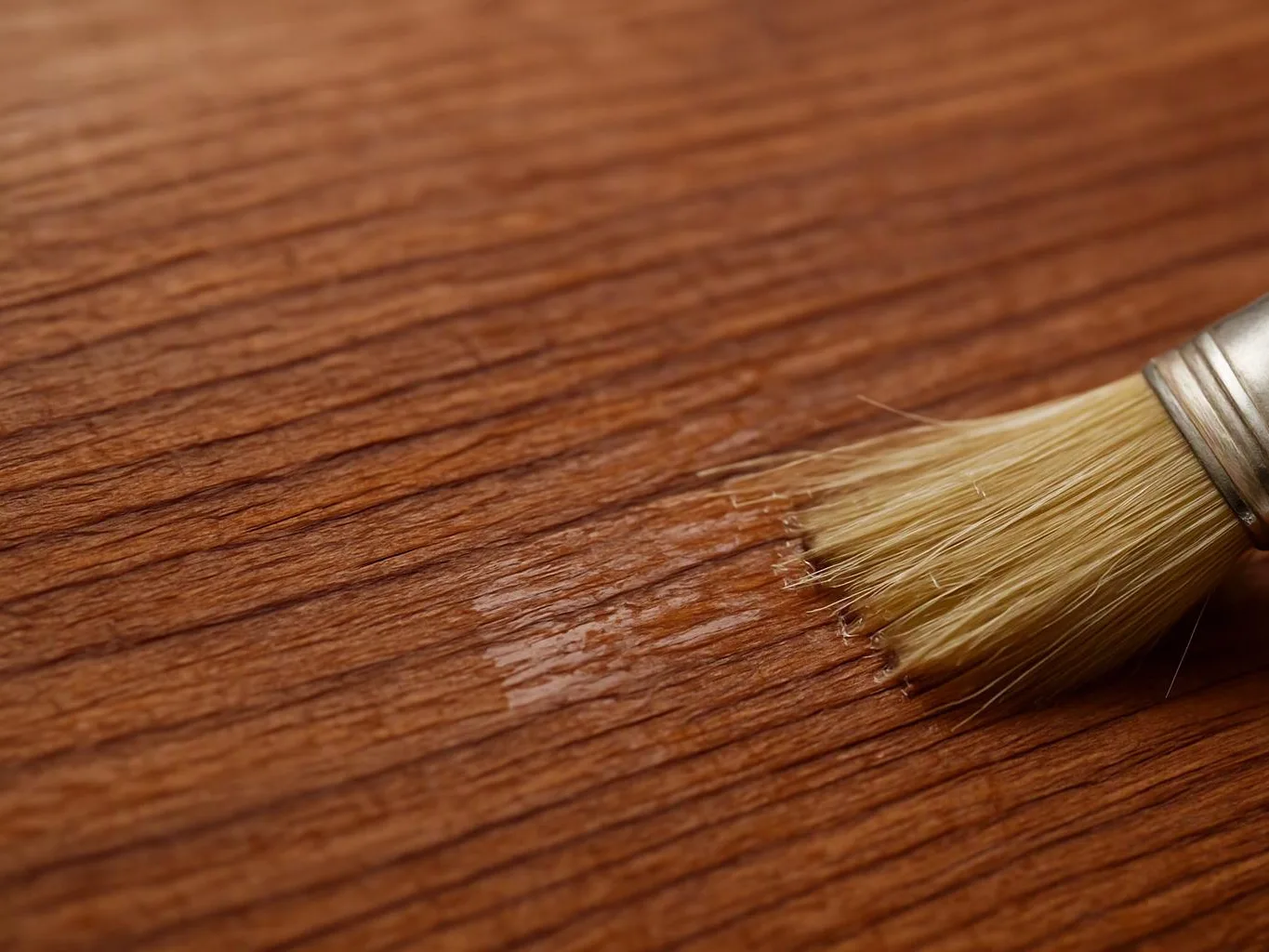
We check the existing deck finish, wood moisture, stain absorption, and wood condition. A coating that seals the wood can stop new stain from soaking in evenly.
Deck finish stripping may be needed before deck staining when the old finish is peeling or incompatible. Sound, weathered wood may need cleaning and preparation instead, depending on absorption and surface condition.
How Does Surface Condition Change the Project Quote?
Surface condition changes the project quote through removal effort, repairs, access, containment, priming, and finish requirements.
Surface area and coating thickness affect the work involved. Paint failure may require more scraping, sanding, or coating removal. Damaged areas may also need repairs before primer and finish coats.
Access conditions can change setup and containment needs. Free Estimates Available from PainterRedmondwa.com explain the preparation and coating work included.
Our team reviews these factors before giving an exact quote. The estimate should show whether the scope includes paint removal, surface repairs, primer, and finish coats.
How We Decide Between Stripping and Repainting
Our team decides between stripping and repainting by checking the coating, substrate, and finish goal in order.
This process helps us choose spot preparation, full repainting, exterior paint stripping, or deck finish stripping. It also keeps the project scope connected to the actual surface condition.
What Should You Expect From the Finished Preparation?
Finished preparation should leave a clean surface with smooth transitions, sound repairs, and a base ready for primer.
Our crew removes loose material, sands edges, repairs damaged areas, and cleans residue. We then select primer and finish coats that suit the substrate and existing coating.
Good preparation supports paint adhesion for exterior painting and other coating work. A paint stripping service should also leave the surface ready for the next finish, not simply remove visible paint.
Before work begins, verify that the scope explains the preparation method, coating compatibility, primer, repairs, containment, and final finish.
Questions About Paint Stripping and Repainting
Can you repaint over glossy paint?
Yes, repainting over glossy paint can work after the surface is cleaned, prepared, and primed for adhesion.
Does all peeling paint need to be stripped?
No, all peeling paint doesn't always require full stripping, because the affected area and remaining coating determine the preparation scope.
How do you know if old paint is still bonded?
Old paint is still bonded when inspection shows a stable coating without widespread lifting, cracking, peeling, or weak adhesion.