When Peeling Paint Needs to Be Stripped Before Recoating
Old paint needs stripping when it peels, flakes, bubbles, cracks, or has lost adhesion across the surface. PainterRedmondwa.com checks the existing finish and prepares the surface before recoating. At PainterRedmondwa.com, we match the preparation method to the surface and coating condition.
Get a Free Estimate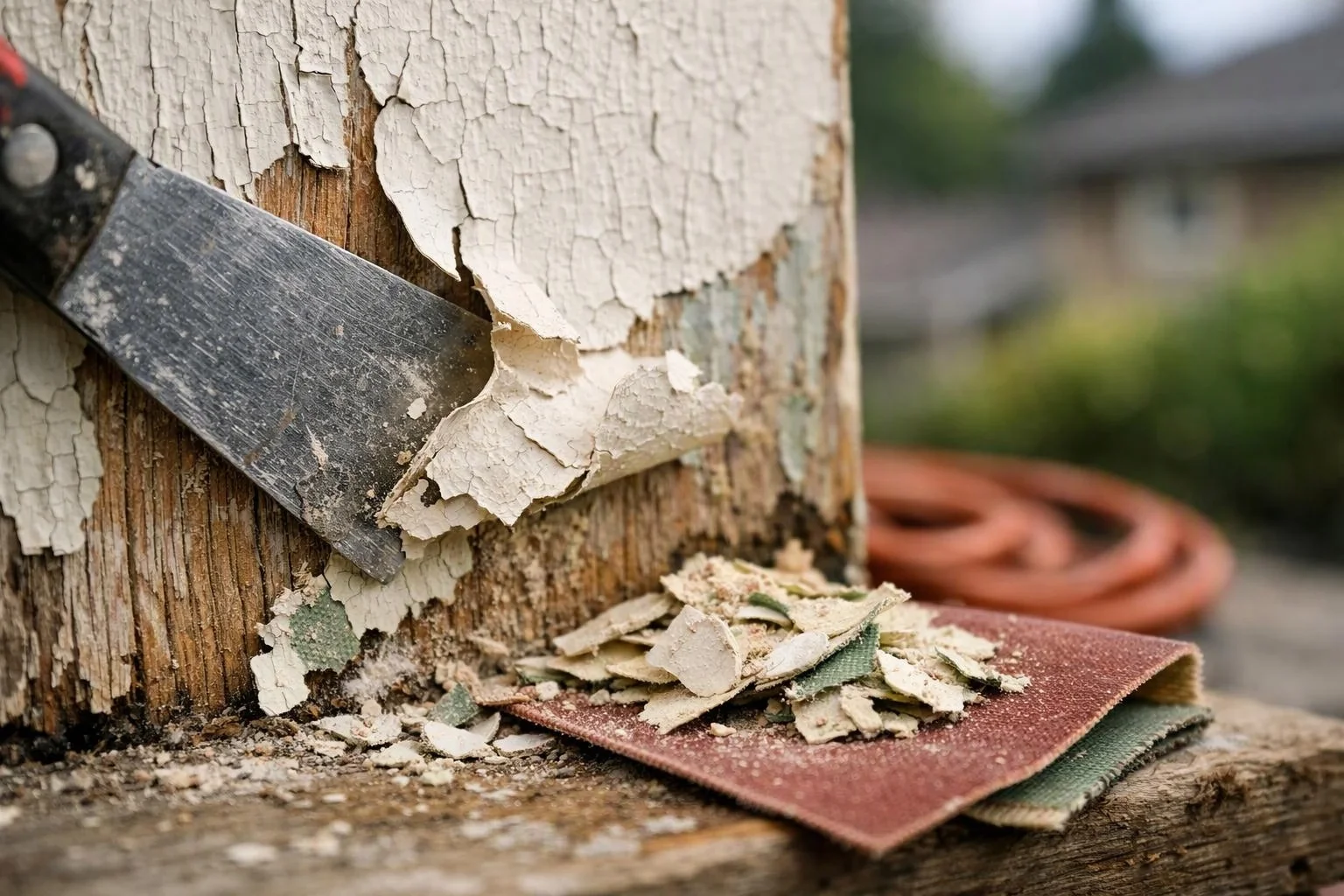
When Does Peeling Paint Need to Be Stripped Before Repainting?
Peeling paint needs stripping when the old coating no longer bonds firmly or cannot support a smooth new finish.
Small areas of sound paint may only need careful scraping, sanding, and priming. Widespread failure needs more complete paint removal because the new coat will follow the unstable layers underneath.
We inspect the surface adhesion before choosing between spot preparation and broader stripping. Our paint stripping service helps prepare walls, trim, wood siding, and other surfaces for recoating.
Warning Signs Old Paint Needs Stripping
Visible coating failure shows that old paint may not hold a new finish. We look at the pattern, depth, and spread of the damage before recommending preparation.
These signs can appear alone or together. A surface with several failure patterns usually needs more preparation before a finish coat can look even.
How We Check Whether Old Paint Has Lost Adhesion
Old paint has lost adhesion when the coating lifts, flakes, or separates from the surface during inspection.
We begin with a surface inspection that follows the coating across the substrate. Our team checks edges, seams, damaged areas, and places where layers meet.
We also look for moisture damage, staining, soft material, and other causes of paint failure. The source must be addressed before we remove failed coating and apply a new finish.
Can You Paint Over Flaking or Bubbling Paint?
No, painting over flaking or bubbling paint leaves the unstable layer beneath the new finish.
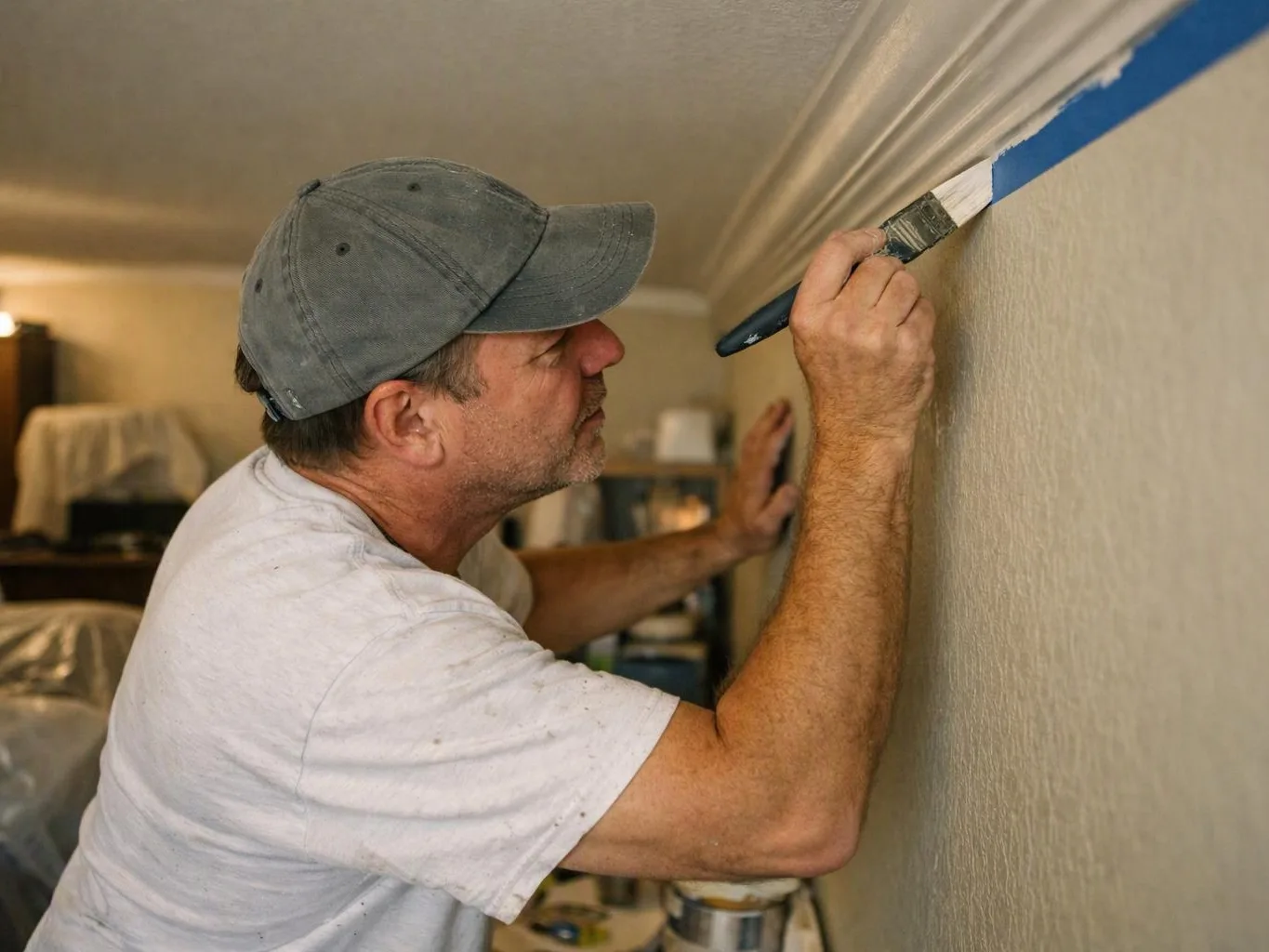
Surface preparation must remove loose material before new paint can bond. We scrape failed areas, sand rough edges, and clean the surface before checking it again.
A suitable primer can help seal and support a prepared surface. Primer cannot make a loose coating stable, so removal comes first.
Does Peeling Solid Stain Need to Be Removed Before Recoating?
Peeling solid stain needs removal wherever the stain has failed to bond or has exposed unstable wood fibers.
Solid stain can fail on wood siding and decking when moisture enters the material or the surface was not ready for the earlier coat. We remove loose stain and inspect the wood before recoating.
Sound stain may remain when it is firmly bonded and compatible with the planned finish. Peeling stain, soft fibers, and surface damage need repair or removal before the new coating goes on.
What We Do Before Applying a New Finish
Before applying a new finish, we prepare the surface so the coating has a clean and stable base. The work can change for interior painting, exterior painting, wood siding, trim, or other surfaces.
We adjust each step to the condition of the coating and the material below it. That approach helps prevent new paint from covering a problem that will return.
What Paint Stripping Changes on the Job
Paint removal exposes the true surface condition before a new coating is selected.
Stripping can reveal damage, moisture issues, weak substrate areas, and incompatible coating layers. It also adds labor and waste removal, especially when several failed layers cover the surface.
When the old coating is stable, limited preparation may be enough. When the coating has failed across the surface, broader removal can improve finish quality and coating compatibility.
Our team can review the work and explain what the estimate includes. Free Estimates Available.
DIY Surface Preparation vs Calling PainterRedmondwa.com
DIY paint preparation may suit safe, small areas with sound access and limited coating failure. Calling us makes sense when the surface assessment, old paint removal, or recoating involves wider damage or difficult access.
| Factor | What you can do yourself | What we do |
|---|---|---|
| Surface assessment | You can observe visible peeling and note areas that feel loose. | We assess adhesion, coating layers, substrate condition, and possible moisture damage. |
| Old paint removal | You can handle safe, reachable areas when the coating is limited and stable around the work zone. | We plan removal around the coating failure and protect nearby surfaces during preparation. |
| Ladder safety | You should avoid work that requires unsafe reaching or unstable ladder use. | Our crew handles difficult access as part of the preparation plan. |
| Recoating | You can recoat only after the surface is sound, clean, dry, and ready for the product. | We prepare, prime where needed, and apply the planned new finish. |
Safety matters when paint removal involves height, hidden damage, or difficult access. If the work feels unsafe, contact us so our crew can assess the surface and preparation needs.
How to Plan the Right Recoating Approach
The right recoating approach depends on the existing coating, surface condition, and planned new coating.
For interior painting, we focus on clean edges, sound wall surfaces, trim, and a smooth base. For exterior painting, we also consider wood siding, weather exposure, moisture, and areas where paint failure has spread.
We can explain whether the project needs a paint stripping service, targeted removal, surface repair, or direct preparation. Request an estimate from PainterRedmondwa.com so our team can review the existing finish and outline the work.
Related Resources
Interior Paint or Wallpaper: Which Is the Better Fit for Your Walls?
Compared ToDeck Staining or Painting: Which Finish Should You Choose?
Compared ToFence Staining or Painting: Compare the Finishes Before You Hire
Compared ToPopcorn Ceiling Removal or Skim Coating: Compare the Project Options