Peeling Wallpaper, Loose Seams, and Bubbles: Repair or Remove?
Peeling wallpaper seams and bubbles may be repairable when the wall covering remains sound and damage is limited. At PainterRedmondwa.com, we check adhesion, moisture, surface condition, and matching concerns before recommending repair or removal.
Get a Free EstimateWhat Do Peeling Seams and Wallpaper Bubbles Mean?
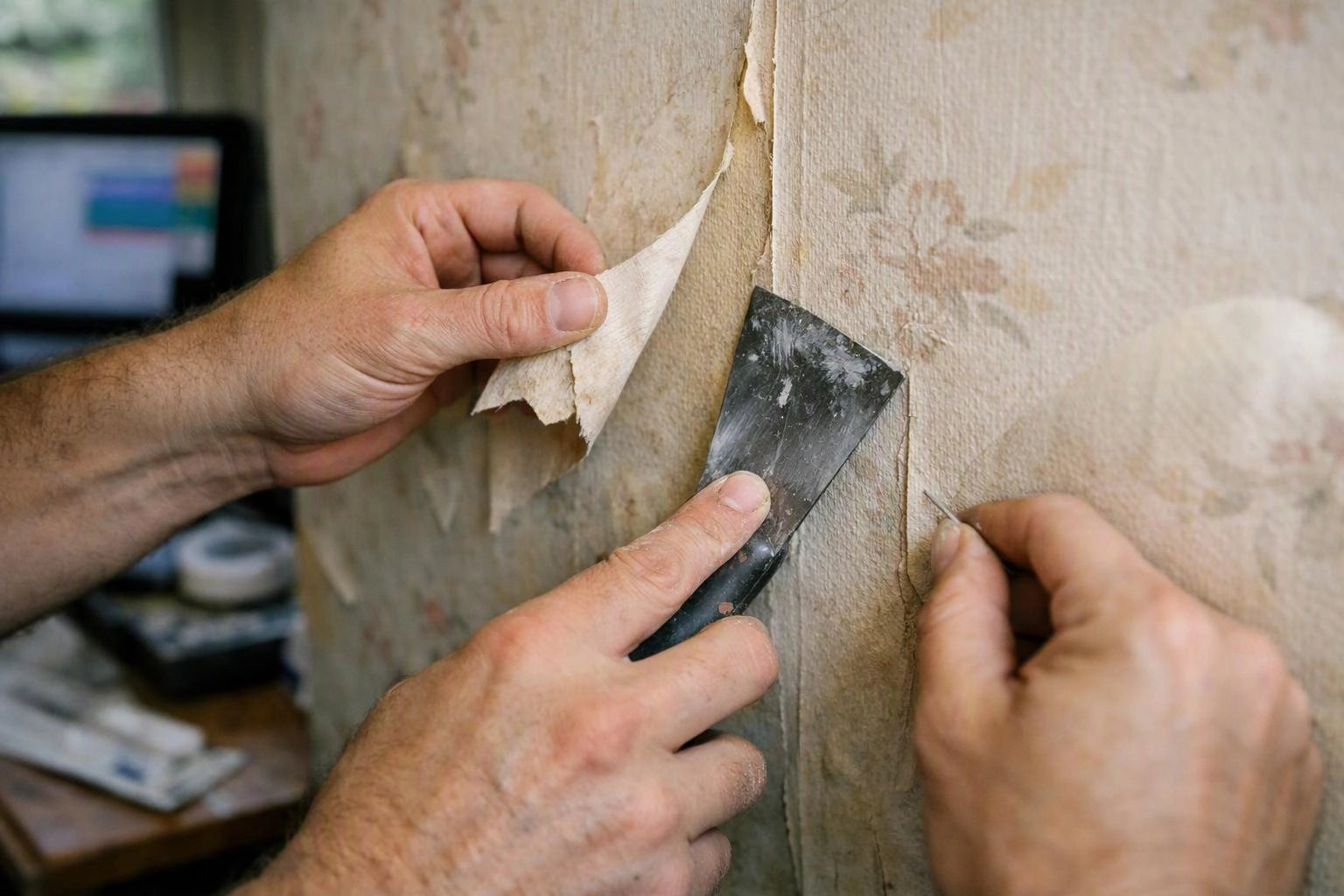
Peeling wallpaper seams and wallpaper bubbles show that the wall covering has lost contact with the wall or has been affected by surface conditions.
Loose seams often point to weak wallpaper adhesive, poor wall preparation, or changing moisture. Bubbles may hold trapped air between the wallpaper backing and the wall surface.
Signs That Wallpaper Needs Repair or Removal
Wallpaper damage needs a condition check before anyone chooses repair or removal. Limited damage may respond well to repair, while broad or contaminated damage can require removal.
These signs help show how serious the wall covering damage may be:
Why Wallpaper Seams Peel and Bubbles Form
Peeling wallpaper usually develops when adhesion fails or the wall changes beneath the covering. We look for the cause because surface symptoms alone don't show the full problem.
Can Peeling Wallpaper Seams Be Repaired?
Yes, PainterRedmondwa.com can repair peeling seams when the wallpaper remains intact and the wall provides a stable, clean surface.
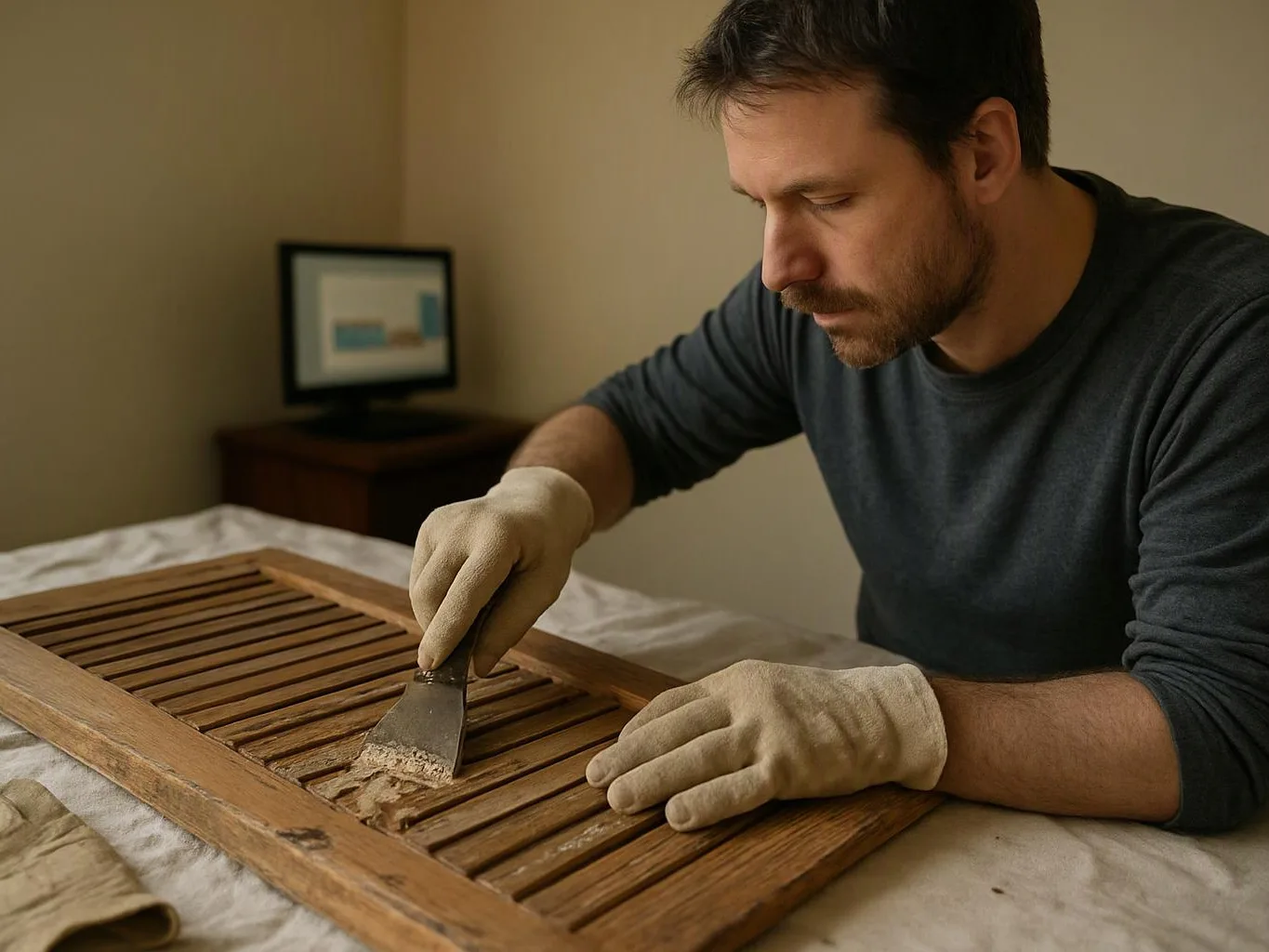
Seam repair works best when the wallpaper still has a sound backing and the pattern remains usable. Our team checks the seam, cleans the area, and restores adhesion with suitable wallpaper adhesive.
We also check wall preparation beneath the seam. A seam roller can help secure the joint, but it can't correct moisture, damaged backing, or an unstable wall surface.
How We Fix Loose Wallpaper Seams
How Do We Fix Bubbles in Wallpaper?
PainterRedmondwa.com fixes wallpaper bubbles by checking the cause, restoring adhesion where possible, and preparing the wall when surface problems caused the failure.
Wallpaper bubbles may contain trapped air, weak adhesive, or a damaged wallpaper backing. Our team checks whether the bubble is isolated or part of wider adhesion failure.
We also inspect the wall surface for dust, uneven areas, moisture, and old adhesive. If the backing has torn or the wall has sustained damage, repair may not create a lasting result.
Small surface bubbles can sometimes be corrected without disturbing sound surrounding paper. Larger bubbles may require more extensive wallpaper repair or removal.
When Should Peeling Wallpaper Be Removed?
Wallpaper should be removed when damage is widespread, moisture-related, contaminated, or too severe for a clean repair.
Our team considers the wallpaper condition, wall preparation needs, and the number of layers before recommending wallpaper removal.
| Condition | Why Removal May Fit |
|---|---|
| Widespread peeling | Broad separation can make individual seam repairs visible and short-lived. |
| Water damage or mildew | The moisture source and affected materials need attention before new covering is installed. |
| Damaged wallpaper | Tears, missing paper, and crushed backing can prevent a clean repair. |
| Multiple wallpaper layers | Unstable layers can continue causing adhesion problems beneath a repair. |
| Poor wall condition | Removal allows proper wall preparation before replacement wallpaper is installed. |
Repair or Remove: Which Option Fits the Condition?
Wallpaper repair fits limited damage with sound paper, stable adhesion, and a clean wall surface. Wallpaper removal fits broader damage or conditions that make a repair hard to hide.
We also consider pattern matching and the visibility of the finished repair. Replacement wallpaper may be the better choice when the existing pattern can't be matched.
| Wallpaper Repair | Wallpaper Removal |
|---|---|
| Best for limited loose seams or isolated bubbles. | Best for widespread peeling or repeated adhesion failure. |
| Needs intact wallpaper and usable backing. | Allows damaged materials and old layers to be cleared. |
| Depends on acceptable pattern matching and repair visibility. | Creates a fresh surface for replacement wallpaper. |
| Requires stable adhesion and a sound wall condition. | Supports thorough wall preparation before new installation. |
How We Check Wallpaper Before Recommending Work
PainterRedmondwa.com checks the wallpaper, adhesive, wall surface, and damage pattern before recommending repair or removal.
Our wallpaper inspection starts with seam condition and bubble cause. We look for wall moisture, surface damage, weak adhesive, and changes in the wallpaper pattern.
We then assess the wallpaper backing and the wall preparation required for a lasting result. This process helps us choose work that fits the actual condition.
For broader installation needs, our Wallpaper Installation service can include surface preparation and pattern planning.
How to Prevent Wallpaper Seams and Bubbles
Wallpaper problems are easier to prevent when the wall and adhesive are prepared correctly. Good installation also helps reduce future lifting and bubbling.
What Changes the Cost of Repairing or Removing Wallpaper?
Wallpaper repair or removal costs depend on the damaged area, wall condition, adhesive work, access, and replacement needs; PainterRedmondwa.com provides Free Estimates Available after assessing the project.
Repair work may involve seam treatment, bubble correction, surface cleaning, or backing repairs. Removal work may involve multiple layers, adhesive removal, wall repairs, and preparation for replacement wallpaper.
We review the project condition before preparing an estimate. You can request an exact quote through our contact page.
Plan the Right Wallpaper Solution
Wallpaper repair fits sound materials and limited damage, while Wallpaper Removal fits widespread failure or poor wall conditions.
We can assess the wallpaper, identify the cause, and explain the wall preparation needed for a clean result. Our team can also plan replacement wallpaper when repair visibility or pattern matching makes repair unsuitable.
Request a project assessment to discuss the right wallpaper solution.
Questions About Peeling Wallpaper Repairs
Why does wallpaper keep peeling after repair?
Wallpaper keeps peeling after repair when the original cause remains below the seam or edge. Moisture, poor wall preparation, weak adhesive, wall movement, and unstable old layers can all cause repeat failure.
Can wallpaper bubbles return after they are fixed?
Wallpaper bubbles can return when trapped air, adhesive failure, moisture, or wall movement is not corrected. A lasting repair depends on stable wallpaper backing and proper wall preparation.
Can damaged wallpaper be matched for a seam repair?
Damaged wallpaper can be matched for a seam repair when the pattern, color, and available material support a close result. Our team checks pattern matching and repair visibility before recommending a localized repair.