Signs It’s Time to Repaint an Interior Wall
Interior walls need repainting when paint peels, bubbles, fades, stains, or no longer hides repairs and scuffs. At PainterRedmondwa.com, we check the wall condition, prepare the surface, and explain the repainting options.
Get a Free EstimateWhat Signs Show That an Interior Wall Needs Repainting?
Interior wall paint needs closer attention when surface damage, discoloration, or visible repairs affect the wall’s appearance or finish.
Some signs point to simple cosmetic wear. Other signs can show moisture, weak paint adhesion, or deeper wall damage.
Do Marks and Scuffs Mean You Need to Repaint the Wall?
Marks and scuffs don't always require repainting because washable paint and small touch-ups may restore the surface.
Cleaning can remove surface dirt when the existing paint has enough durability. Harsh cleaning can dull the paint sheen, so gentle care matters.
Small paint touch-ups can work when the color, sheen, and wall finish match closely. Color matching becomes harder when the paint has faded or the original coating is unavailable.
We look at the size of the damaged area and how the wall reflects light. A larger area may need full-wall repainting for even coverage.
What Causes Interior Wall Paint to Peel or Bubble?
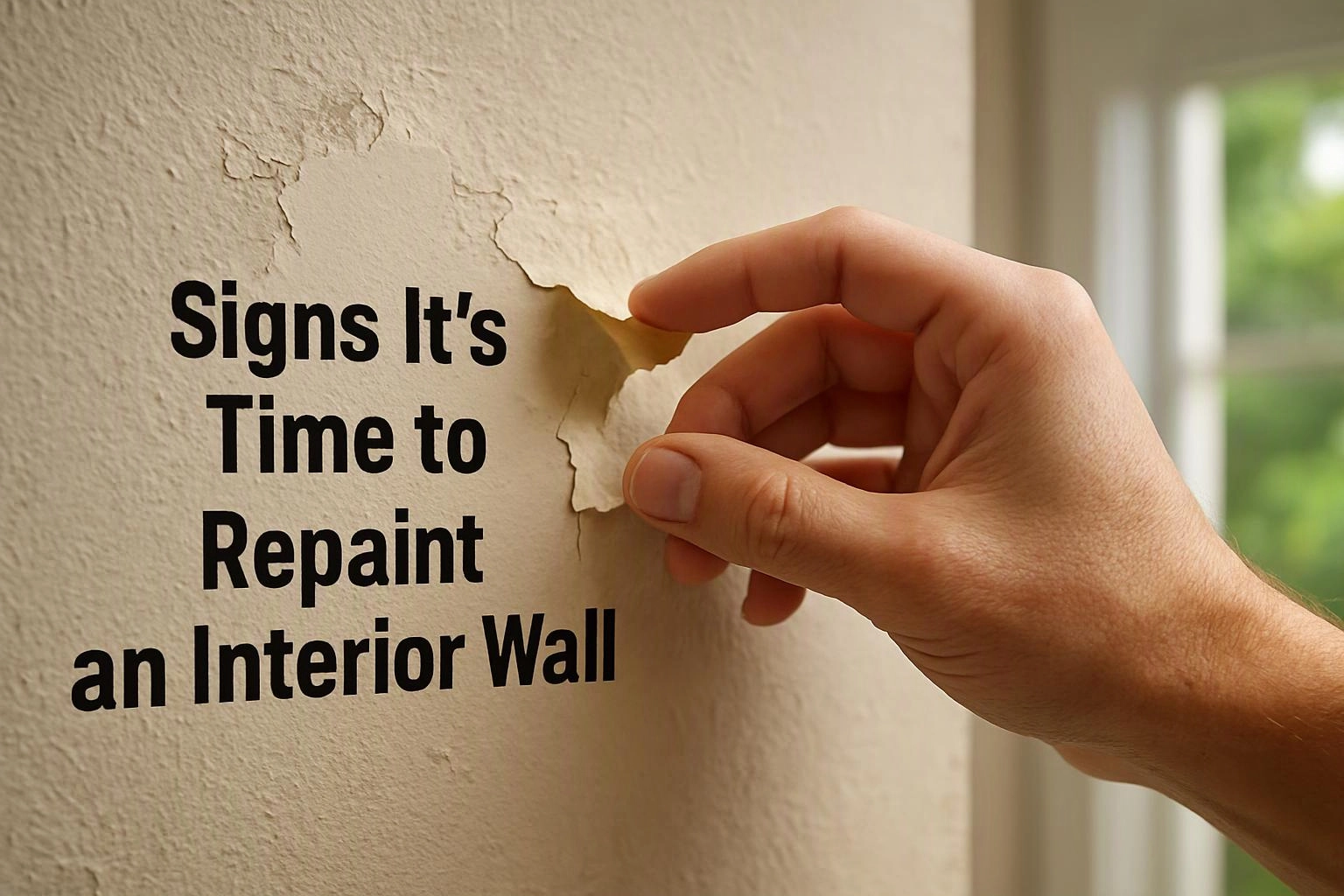
Peeling or bubbling interior paint usually points to moisture, heat, or weak adhesion beneath the finish.
Moisture can enter through plumbing leaks, exterior water damage, condensation, or high humidity. Water stains may remain until the moisture source has been corrected.
Poor surface preparation can leave dust, grease, loose coating, or an unsuitable surface beneath the new paint. These conditions can weaken paint adhesion.
Heat can also make paint blister or lose its bond. We check the surface condition before repainting, because fresh paint won't solve an active moisture problem.
Should You Repaint the Whole Wall After Patching a Hole or Crack?
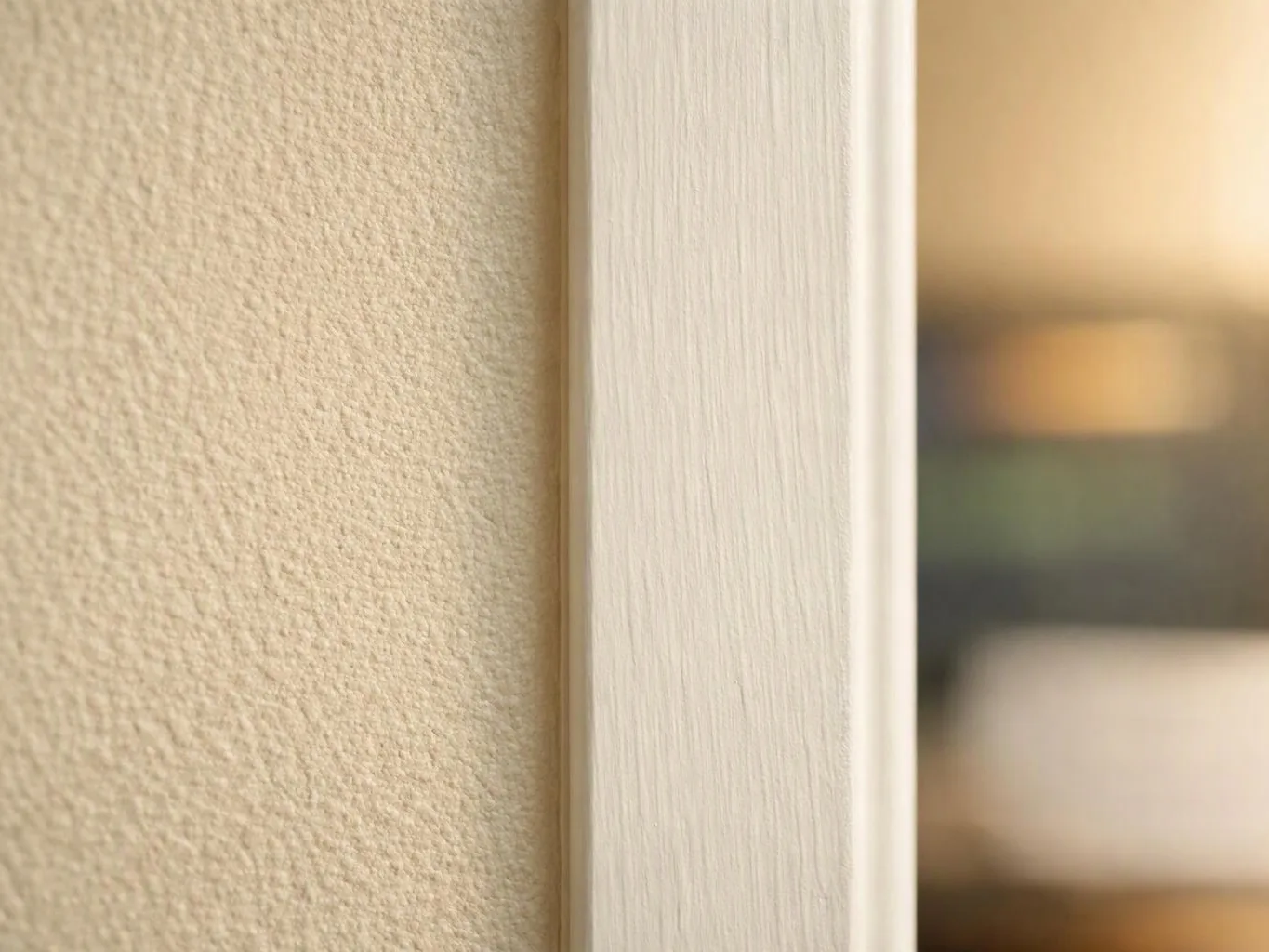
Repainting the whole wall often gives the most even result when a patch changes the texture, sheen, or color.
Wall patching and drywall repair can leave a slightly different surface. Crack repair can also create edges that show through a spot touch-up.
We smooth the repair and use primer where the surface needs a sealed base. Primer helps control absorption and supports better paint adhesion.
Paint blending may work for a small repair in a low-visibility area. Whole-wall repainting usually gives better color matching and a more consistent wall finish.
How We Decide Whether a Wall Needs Repainting
PainterRedmondwa.com checks the wall surface, identifies the cause of damage, and recommends the smallest repainting scope that can produce an even finish.
Our wall assessment separates normal wear from paint damage that needs repair. We also check whether moisture, stains, or weak adhesion could affect the new coating.
Free Estimates Available. We explain what the estimate includes, including surface preparation, repairs, materials, and the recommended repainting scope.
DIY or Call PainterRedmondwa.com for Interior Wall Repainting?
Simple, safe touch-ups can suit small areas, while broader damage needs careful preparation and repainting work.
Our Interior Painting service covers wall repairs, preparation, paint matching, and finish work when the project is larger than a simple touch-up.
| Factor | What you can do yourself | What we do |
|---|---|---|
| DIY wall touch-ups | You can clean a small mark and test a matching touch-up. | We assess whether a touch-up will blend with the surrounding wall. |
| Surface preparation | You can handle light cleaning when the surface is stable and safe. | We prepare damaged surfaces for even coverage and reliable adhesion. |
| Ladder work | You can avoid elevated work if the position feels unsafe. | Our crew handles ladder work as part of the repainting scope. |
| Paint matching | You can test available paint against the existing color and sheen. | We assess color matching and recommend the right repainting area. |
| Wall repairs | You can address minor cosmetic marks when the wall has no active damage. | We handle drywall patches, crack repair, stain preparation, and repainting. |
What Should You Do After You Confirm the Wall Needs Repainting?
Request a free estimate from PainterRedmondwa.com so we can review the wall condition, preparation needs, and repainting scope.
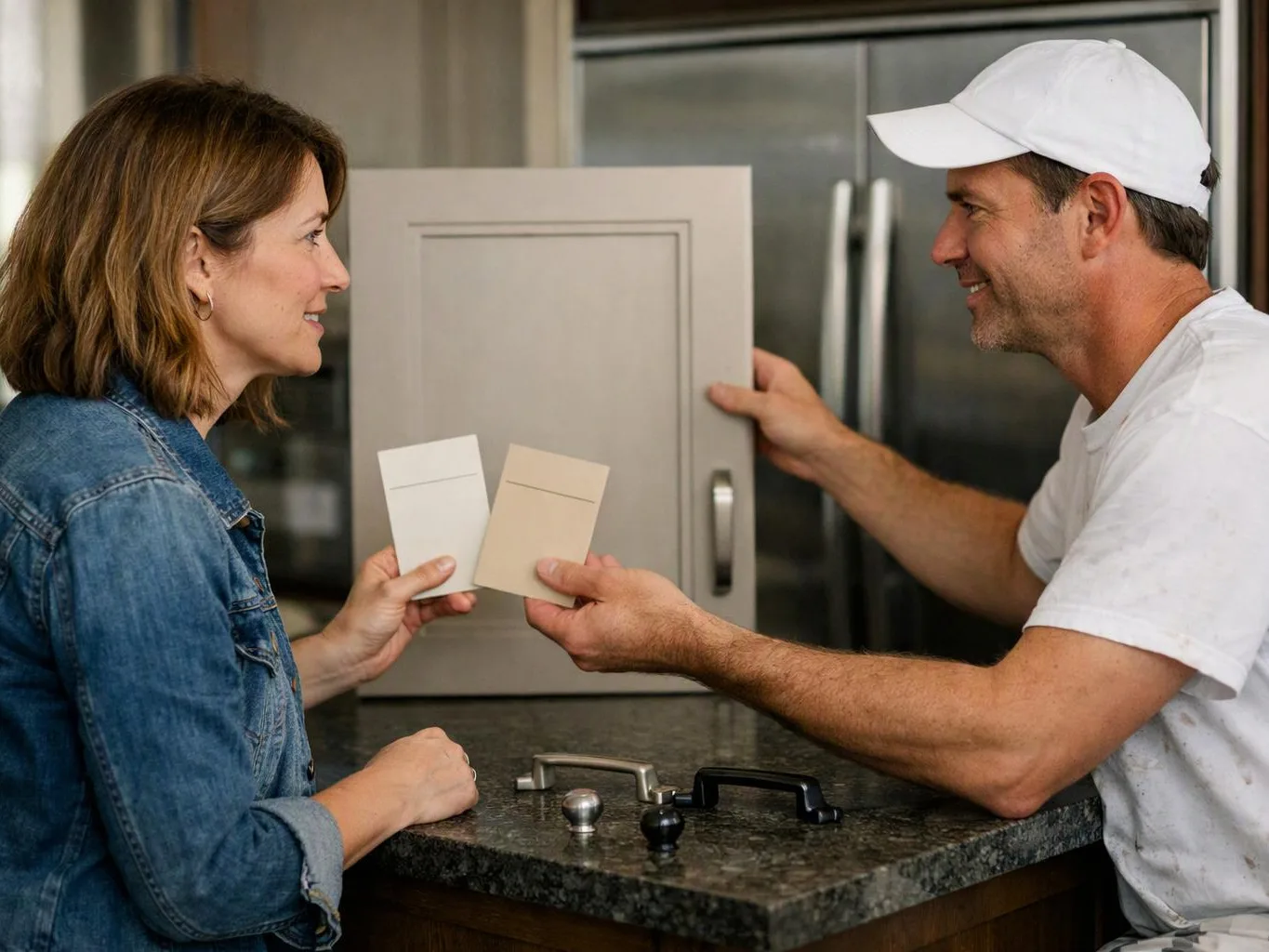
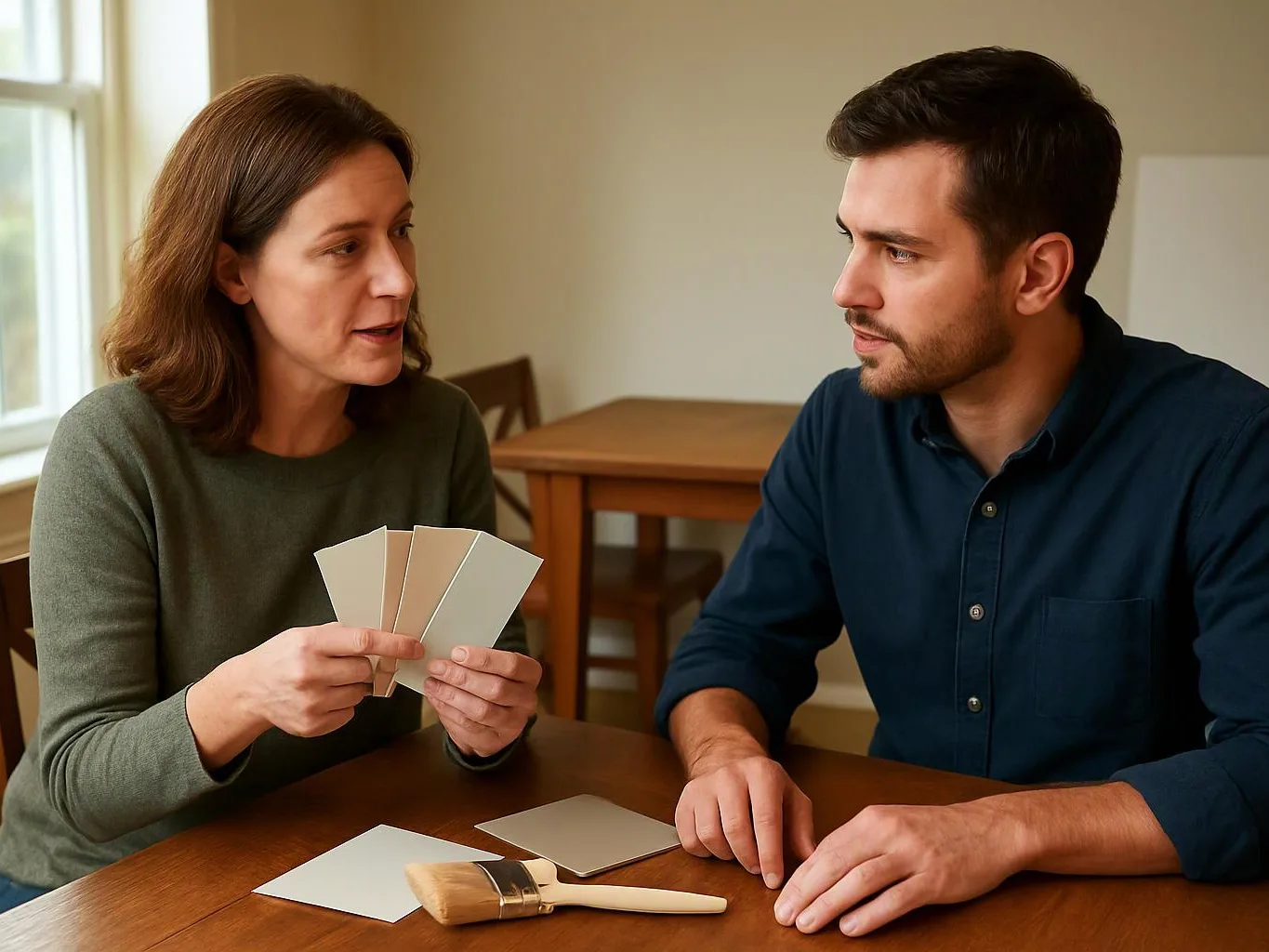
Our team can discuss color selection, primer, paint sheen, repairs, and the best way to restore the finish. The right scope may be a spot touch-up, patch repainting, or full-wall repainting.
Start your paint assessment by contacting our team.
Questions About Repainting Interior Walls
Can old interior paint make a room look dirty even after cleaning?
Yes, old interior paint can make a room look dirty even after cleaning. Fading, uneven sheen, embedded marks, and worn paint can keep the wall from looking fresh.
How can you tell whether a wall stain needs more than paint?
A wall stain needs more than paint when moisture, water damage, or an active leak may be involved. We check the stain and prepare the surface before recommending a repaint.
Can new paint hide small wall cracks permanently?
No, new paint can't permanently hide a wall crack when movement or another underlying problem continues. Crack repair and proper preparation help create a smoother finish.
Why does touch-up paint look different from the rest of the wall?
Touch-up paint can look different when the old paint has faded or the color and sheen do not match. Light reflection can also make a repaired area stand out.
Related Resources
Interior Paint or Wallpaper: Which Is the Better Fit for Your Walls?
Compared ToPopcorn Ceiling Removal or Skim Coating: Compare the Project Options
Compared ToWallpaper Removal or Painting Over It: Which Service Fits the Job?
Compared ToPainting Contractor or General Contractor: Who Should You Hire?