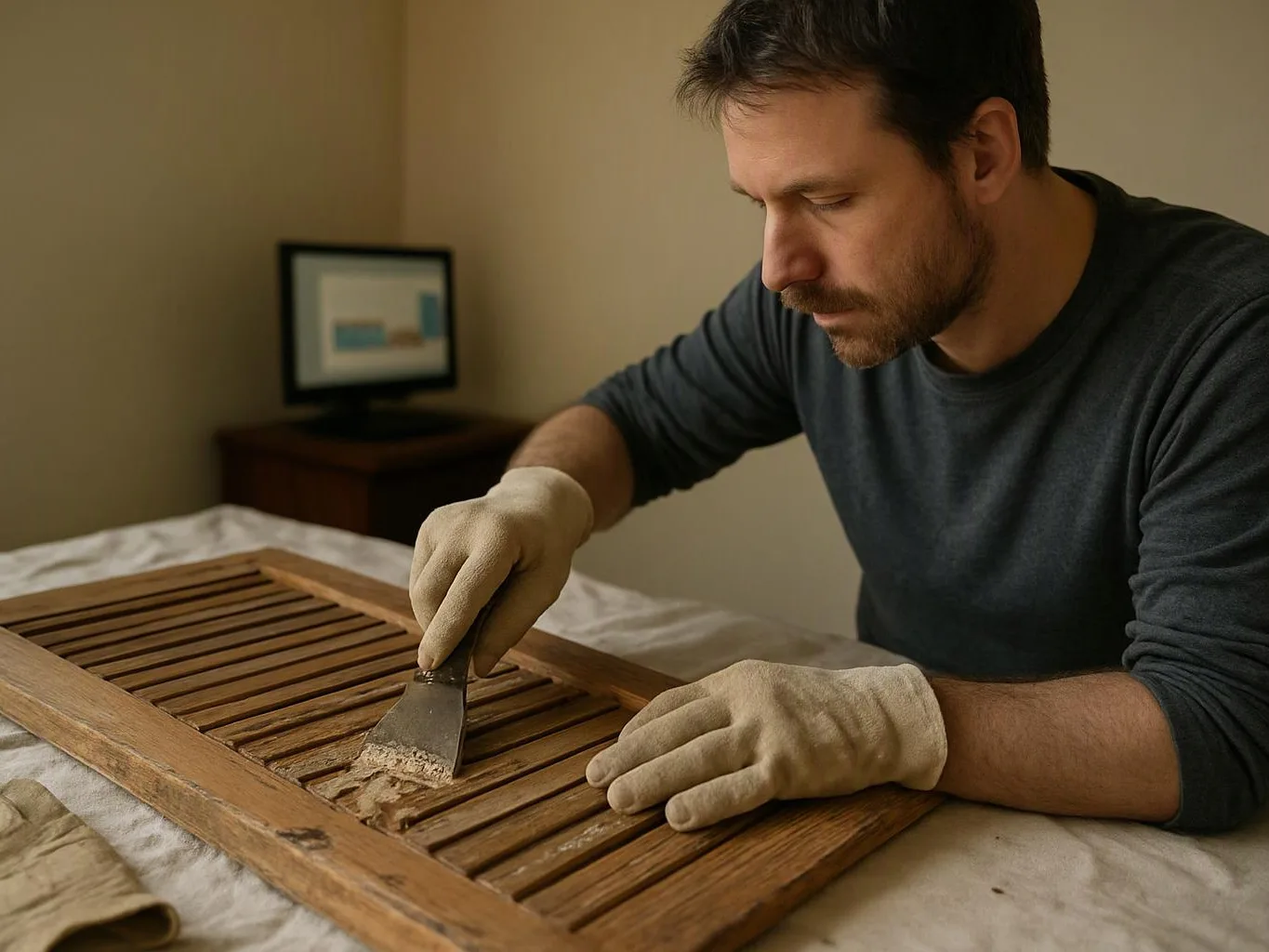
Wallpaper Installation: Design Choices and Surface Preparation
Wallpaper installation options include vinyl, paper, non-woven, peel-and-stick, and natural-fiber designs. At PainterRedmondwa.com, we check the wall, repair damage, smooth texture, and prime the surface before installation so the wallcovering has a clean base and aligned seams.
Get a Free EstimateWhich Wallpaper Types Fit Your Room?
Wallpaper types suit different rooms, wall conditions, maintenance needs, and design goals. The comparison table shows the main trade-offs before installation.
Our Wallpaper Installation process starts with the material and the wall surface. That helps us plan paste, seams, pattern matching, and needed repairs.
| Type | Key Features | Cost | Best For |
|---|---|---|---|
| Vinyl wallpaper | Washable surface and moisture resistance | Varies by material and preparation | High-traffic rooms |
| Paper wallpaper | Printed patterns and a breathable surface | Varies by paper grade and preparation | Low-moisture rooms |
| Non-woven wallpaper | Cellulose and synthetic fibers; may use paste-the-wall installation | Varies by fiber blend and preparation | Rooms needing practical installation |
| Peel-and-stick wallpaper | Adhesive backing and removable design | Varies by panel quality and preparation | Smooth walls and flexible updates |
| Grasscloth wallpaper | Natural fibers, textured finish, and pattern variation | Varies by fiber and installation care | Decorative feature walls |
| Fabric wallpaper | Textile wallcovering with a luxury finish | Varies by textile and care needs | Low-use rooms with a refined look |
Vinyl Wallpaper
Vinyl wallpaper is a wallcovering with a durable surface that handles regular cleaning. Its washability and moisture resistance make it useful in high-traffic rooms.
Vinyl wallpaper still needs a smooth, sound wall. We check seams, corners, and wall repairs before choosing the paste and installation method.
Paper Wallpaper
Paper wallpaper is a printed wallcovering that offers detailed patterns and a breathable surface. Paper designs generally fit low-moisture rooms where careful handling is possible.
Paper wallpaper can show surface flaws, so we pay close attention to sanding, priming, and seam alignment. Printed patterns also need careful pattern matching.
Non-Woven Wallpaper
Non-woven wallpaper is a wallcovering made with cellulose fibers, synthetic fibers, or both. Many non-woven products support paste-the-wall installation.
Non-woven wallpaper can suit rooms where a stable material and a clear installation process matter. We follow the product instructions for adhesive use and seam placement.
Peel-and-Stick Wallpaper
Peel-and-stick wallpaper is a removable wallcovering with an adhesive backing. The material works best on a smooth wall surface that is clean and free from loose paint.
Peel-and-stick wallpaper can fit temporary updates and smaller design changes. Wall texture, dust, and uneven repairs can reduce adhesion and make panel alignment harder.
Grasscloth Wallpaper
Grasscloth wallpaper is a natural-fiber wallcovering with a textured finish. Its fibers create pattern variation, so every panel may have a slightly different appearance.
Grasscloth wallpaper suits feature walls and rooms where natural texture is part of the design. We discuss seam placement and visible variation before installation.
Fabric Wallpaper
Fabric wallpaper is a textile wallcovering that adds a soft, luxury finish. The material can need careful handling and specific care requirements.
Fabric wallpaper fits low-use rooms where appearance matters most. We review the backing, adhesive needs, wall condition, and cleaning limits before hanging it.
What Should Be Done Before Wallpaper Installation?
Before wallpaper installation, we inspect the wall, clean it, repair damage, smooth rough areas, and apply the right primer.
Preparation decisions depend on the wallcovering and the condition of the room. We don't install over loose materials or active moisture problems.
Can Wallpaper Go Over a Textured Wall?
Yes, wallpaper can go over a textured wall only after the texture is made smooth enough for the wallcovering. Our team checks whether sanding, skim coating, or other surface work is needed.
Orange-peel texture and knockdown texture can leave ridges under wallpaper. Popcorn texture usually needs more substantial removal or covering before a smooth finish is possible.
Wallpaper over drywall texturing can show bumps through thin materials. We assess the wall texture, the wallpaper thickness, and the desired finish before recommending surface preparation.
How We Prepare Walls for a Clean Wallpaper Finish
Our team prepares walls by checking the surface, correcting defects, smoothing repairs, and priming before wallpaper goes up.
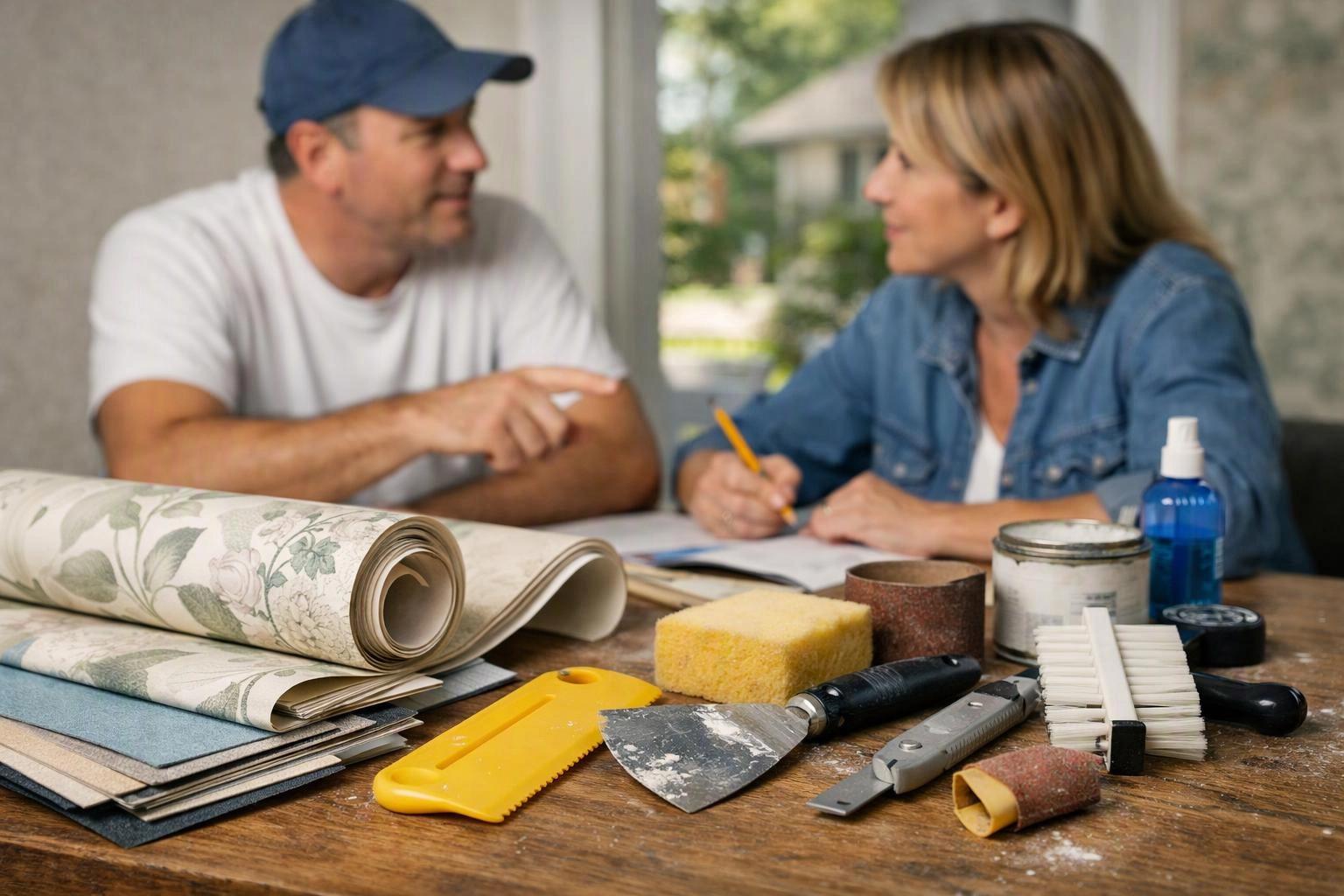
We inspect drywall seams, nail holes, cracks, and water stains. We also look for mildew concerns and surface moisture because wallpaper can trap problems against the wall.
Wall repairs are filled and sanded until they blend with the surrounding surface. When needed, skim coating creates a smoother base for seam alignment and pattern matching.
Wall primer helps control absorption and gives wallpaper paste a more consistent base. The right primer depends on the wall surface and the wallcovering instructions.
Which Design Choices Affect the Finished Look?
Wallpaper design choices affect how large, bright, calm, or dramatic a room feels. Our team considers the wallpaper pattern, color, and scale with the room's layout.
A large pattern repeat can need more careful matching at each seam. Small patterns may be easier to blend, but they can still show poor seam alignment.
An accent wall concentrates the design in one area and can frame furniture or an architectural feature. Full-room installation creates a stronger continuous wall treatment.
Matte finishes give a softer look and tend to reduce glare. Metallic finishes reflect light and can highlight uneven areas, so surface preparation matters even more.
What Changes the Wallpaper Installation Cost?
Wallpaper installation cost changes with the wall condition, selected material, preparation work, pattern matching, and room layout. Free Estimates Available, and our estimate explains the preparation and installation work included.
Wallpaper material affects handling, adhesive needs, seam work, and care. Grasscloth, fabric, detailed prints, and other specialty materials can require more careful fitting.
Wall condition also changes the work. Drywall repair, sanding, skim coating, removal of existing wallpaper, and drywall texturing add preparation tasks.
Room layout affects cutting and seam placement. Wall height, corners, windows, doors, and pattern matching all shape the installation plan.
Interior painting may be part of a broader wall update when painted walls and wallpaper meet. We explain each included task when preparing the estimate.
How Do Wallpaper and Other Wall Finishes Work Together?
Wallpaper installation works with drywall texturing and interior painting when each finish has a clear boundary. Surface transitions need planning so edges look intentional.
An accent wall can use wallpaper while nearby painted walls provide contrast. We prepare the transition line carefully so wallpaper seams and paint edges remain clean.
Painted walls may need cleaning, patching, or priming before they meet a wallcovering. We also check that drywall texture doesn't continue into the wallpaper area.
How Can You Plan the Right Wallpaper Installation?
A clear installation plan connects room goals, wallpaper samples, wall inspection, surface preparation, and final inspection.
Wallpaper removal may be needed before new material goes up. Our guide, “Wallpaper Removal and Wall Preparation Before Repainting,” explains why the old surface can affect the next finish.
Questions About Wallpaper Choices and Wall Preparation
What is the easiest wallpaper type to maintain?
Vinyl wallpaper is often the easiest type to maintain because its surface supports regular cleaning and offers moisture resistance.
Does wallpaper hide wall imperfections?
Wallpaper doesn't reliably hide wall imperfections because seams, ridges, and dents can show through the finished surface. We repair and smooth the wall before installation.
Should old wallpaper be removed before new wallpaper is installed?
Old wallpaper should be assessed before new wallpaper is installed because loose seams, damaged backing, and uneven layers can affect the finish. We determine whether removal and wall preparation are needed.
What primer should be used before wallpaper installation?
Wallpaper primer should match the wall surface, wallcovering, and wallpaper paste instructions. Our team selects the preparation system after checking the wall.
Can wallpaper be installed in a bathroom?
Yes, wallpaper can be installed in a bathroom when the material suits the moisture conditions and the wall is sound, dry, and properly prepared. We review ventilation, moisture exposure, material choice, and adhesive requirements.
Related Resources
Interior Paint or Wallpaper: Which Is the Better Fit for Your Walls?
Compared ToPopcorn Ceiling Removal or Skim Coating: Compare the Project Options
Compared ToWallpaper Removal or Painting Over It: Which Service Fits the Job?
Compared ToPainting Contractor or General Contractor: Who Should You Hire?