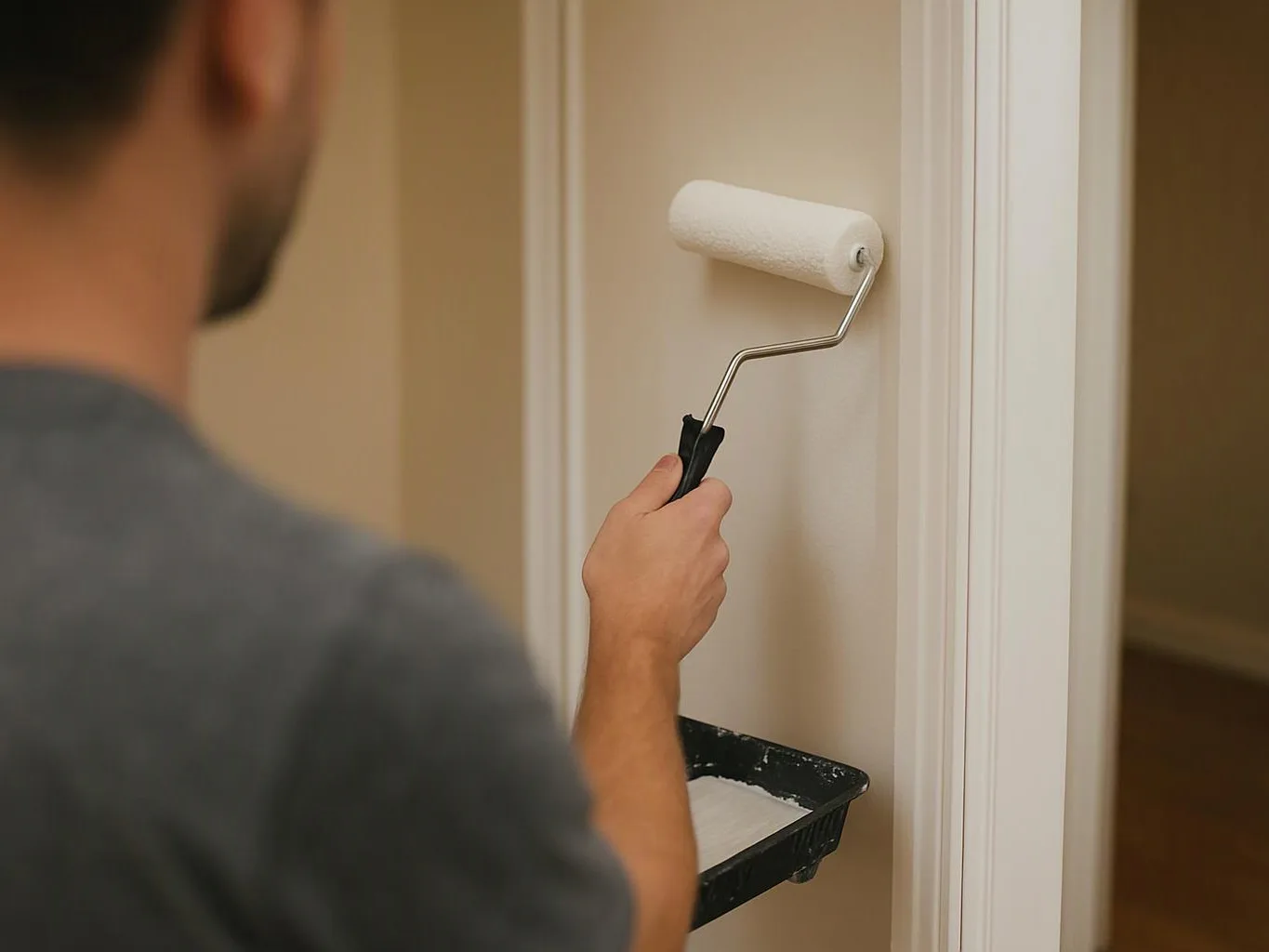
Wallpaper Removal and Wall Preparation Before Repainting
Wallpaper removal and repainting work best when the wall is stripped, repaired, cleaned, and primed before paint is applied. PainterRedmondwa.com checks the wall surface and prepares it for a smooth, lasting finish.
Get a Free EstimateWhat Should Happen Before Repainting After Wallpaper Removal?
Wallpaper removal should be followed by adhesive cleaning, surface inspection, drywall repair, sanding, and primer before repainting.
Wallpaper stripping can expose torn drywall paper, dents, seams, and uneven areas. We prepare the wall surface so new interior paint can bond evenly and keep its finish.
Good wall preparation also helps reveal problems that paint would otherwise hide temporarily. We remove wallpaper adhesive before painting and check the surface for loose material or remaining backing.
Which Wallpaper Removal Conditions Affect the Repainting Plan?
The wallpaper type and wall condition determine the removal method, repair work, primer choice, and overall quote. Each surface needs a plan that protects the drywall and supports strong paint adhesion.
| Type | Key Features | Cost | Best For |
|---|---|---|---|
| Strippable wallpaper | The face and backing may lift from the drywall with limited residue. | Varies | Walls with a stable drywall surface |
| Peelable wallpaper | The top layer peels away, while paper backing can remain. | Varies | Walls needing backing and adhesive removal |
| Vinyl wallpaper | A water-resistant face can protect adhesive and backing. | Varies | Walls requiring careful face and backing removal |
| Multiple wallpaper layers | Several layers can hide adhesive and surface damage. | Varies | Walls needing staged removal and repair |
| Painted-over wallpaper | Paint layers can lock in seams, bubbles, and weak bonding. | Varies | Walls needing detailed inspection and surface repair |
| Damaged drywall | Torn drywall paper and exposed porous areas need repair and sealing. | Varies | Walls requiring joint compound, sanding, and primer |
Strippable Wallpaper
Strippable wallpaper is wallpaper designed to lift from the wall with limited moisture or scraping. The wallpaper backing may come away with the face when the drywall surface is stable.
We still inspect for thin residue, lifted drywall paper, and small tears. This option usually supports a simpler wall preparation plan when the wall underneath remains sound.
Peelable Wallpaper
Peelable wallpaper is wallpaper with a face that separates from its paper backing. The backing can stay attached and may leave adhesive residue behind.
We remove the remaining backing, clean the wall, and check for damage. The best repainting plan depends on how firmly the backing and adhesive are bonded.
Vinyl Wallpaper
Vinyl wallpaper is wallpaper with a durable face that resists moisture during removal. The wallpaper face may separate from the backing, leaving more wall preparation work.
We assess both layers before choosing the removal approach. Careful preparation helps prevent adhesive residue and protects the drywall surface.
Multiple Wallpaper Layers
Multiple wallpaper layers are stacked coverings that can conceal old wallpaper adhesive and surface damage. Each layer can change how the wall surface responds during removal.
We check the exposed wall after each layer is removed. The final plan may include deeper cleaning, wall repair, sanding, and primer application.
Painted-Over Wallpaper
Painted-over wallpaper is wallpaper covered by one or more paint layers. The paint can hide wallpaper seams, bubbles, and weak surface bonding.
We inspect the paint layers and seams before deciding whether removal is needed. Loose areas and visible texture can affect the smooth finish of interior paint.
Damaged Drywall After Removal
Damaged drywall after removal can include torn drywall paper, gouges, and exposed porous areas. These defects need surface repair before new paint can look even.
We use joint compound for suitable repairs and sand the wall after the material cures. Larger or uneven areas may need a skim coat before primer and paint.
Should You Paint Over Wallpaper?
Painting over wallpaper can work only when the wallpaper is firmly bonded and the surface is smooth, clean, and stable; removal is safer for loose, damaged, textured, or layered wallpaper.
Loose seams, wall bubbles, and adhesive failure can show through new paint. Paint may also seal a problem without fixing the weak bond underneath.
We inspect the wallpaper and surrounding wall before recommending painting over it. Wallpaper removal gives us a clearer surface for repair, primer, and repainting.
How We Prepare Walls After Wallpaper Removal
We assess the exposed wall, remove remaining adhesive, repair damage, smooth the surface, clean the dust, and prime before painting.
Our crew uses the wall condition to guide each step. You can learn more about our Wallpaper Removal service and preparation process.
Does Wallpaper Removal Require Wall Repair and Priming?
Yes, wallpaper removal often requires wall repair and primer because stripping can expose damage, residue, uneven texture, or porous drywall.
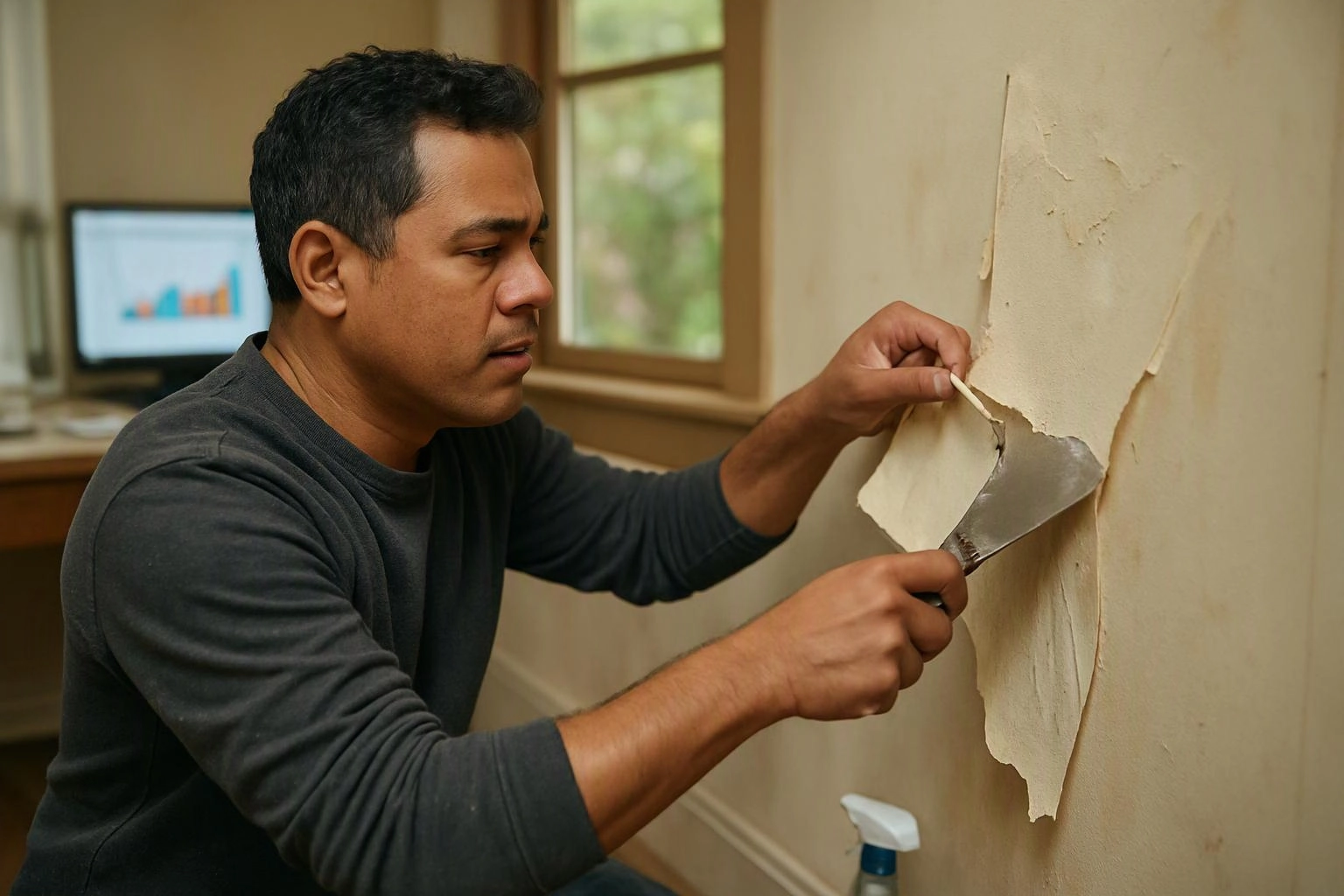
Drywall paper can tear when wallpaper backing or adhesive releases. We repair those areas before sanding, then use primer to seal the surface and support paint adhesion.
Primer also helps prevent uneven absorption between repaired drywall and older wall areas. The result is a more consistent base for repainting.
How Wall Texture Changes the Repainting Result
Wall texture changes how repaired areas blend, so the texture must match the surrounding surface before painting.
A smooth wall finish shows small repairs easily if sanding or skim coating is uneven. Orange peel texture and knockdown texture also need matching application around repaired areas.
We check surface uniformity before applying interior paint. Matching wall texture helps repaired sections blend with the rest of the room.
What Changes the Cost of Wallpaper Removal and Repainting?
The quote changes with the wallpaper layers, removal difficulty, wall damage, repair depth, texture work, and finish requirements. We provide free estimates, and the estimate explains the preparation and painting work included.
Wallpaper type affects how much backing and adhesive removal the wall needs. Room access can also affect setup, protection, and how efficiently our crew can work.
We review the wall condition before giving an estimate. That review helps separate wallpaper stripping, drywall repair, drywall texturing, primer, and painting needs.
How to Choose the Right Finish After Wallpaper Removal
Interior paint finish should match the room's use and the wall's visible imperfections. Paint sheen affects how much light reflects from the surface.
Matte finish can soften the look of minor wall flaws. Eggshell finish offers a modest sheen, while satin finish reflects more light and can make surface defects easier to notice.
We review the repaired wall before helping select a finish. A smooth wall can support more sheen, while an imperfect surface often looks better with less reflection.
When to Request a Wallpaper Removal and Repainting Estimate
A wallpaper removal estimate is useful when the wall condition, removal scope, or repainting needs aren't clear. We inspect the surface and explain the project scope before work begins.
Our estimate explains the preparation and interior painting work included. Requesting an estimate early helps set the right plan for the exposed wall.
Questions About Wallpaper Removal and Repainting
Can wallpaper adhesive bleed through new paint?
Yes, wallpaper adhesive can affect new paint when residue remains on the wall. We clean the surface and apply suitable primer so residue and porous areas don't disrupt the finish.
What happens if wallpaper backing remains on the wall?
Wallpaper backing can create uneven texture and hold adhesive residue against the drywall. We remove the remaining backing, clean the surface, and inspect the wall before repair and primer.
Can damaged drywall be painted after wallpaper removal?
Damaged drywall can be painted after wallpaper removal when the surface is repaired, sanded, cleaned, and primed. Torn drywall paper and deep damage need attention before paint is applied.
What type of primer works after removing wallpaper?
Primer after wallpaper removal should seal porous drywall and create a stable base for paint. We choose the primer based on the wall's repairs, remaining residue, and surface condition.
How do you make repaired drywall match the existing wall texture?
Repaired drywall matches existing texture when the repair is blended and the surrounding pattern is recreated. We compare the repaired area with the wall before priming and painting.
Related Resources
Interior Paint or Wallpaper: Which Is the Better Fit for Your Walls?
Compared ToPopcorn Ceiling Removal or Skim Coating: Compare the Project Options
Compared ToWallpaper Removal or Painting Over It: Which Service Fits the Job?
Compared ToPainting Contractor or General Contractor: Who Should You Hire?