How should a ceiling be prepared before painting for Ceiling Painting?
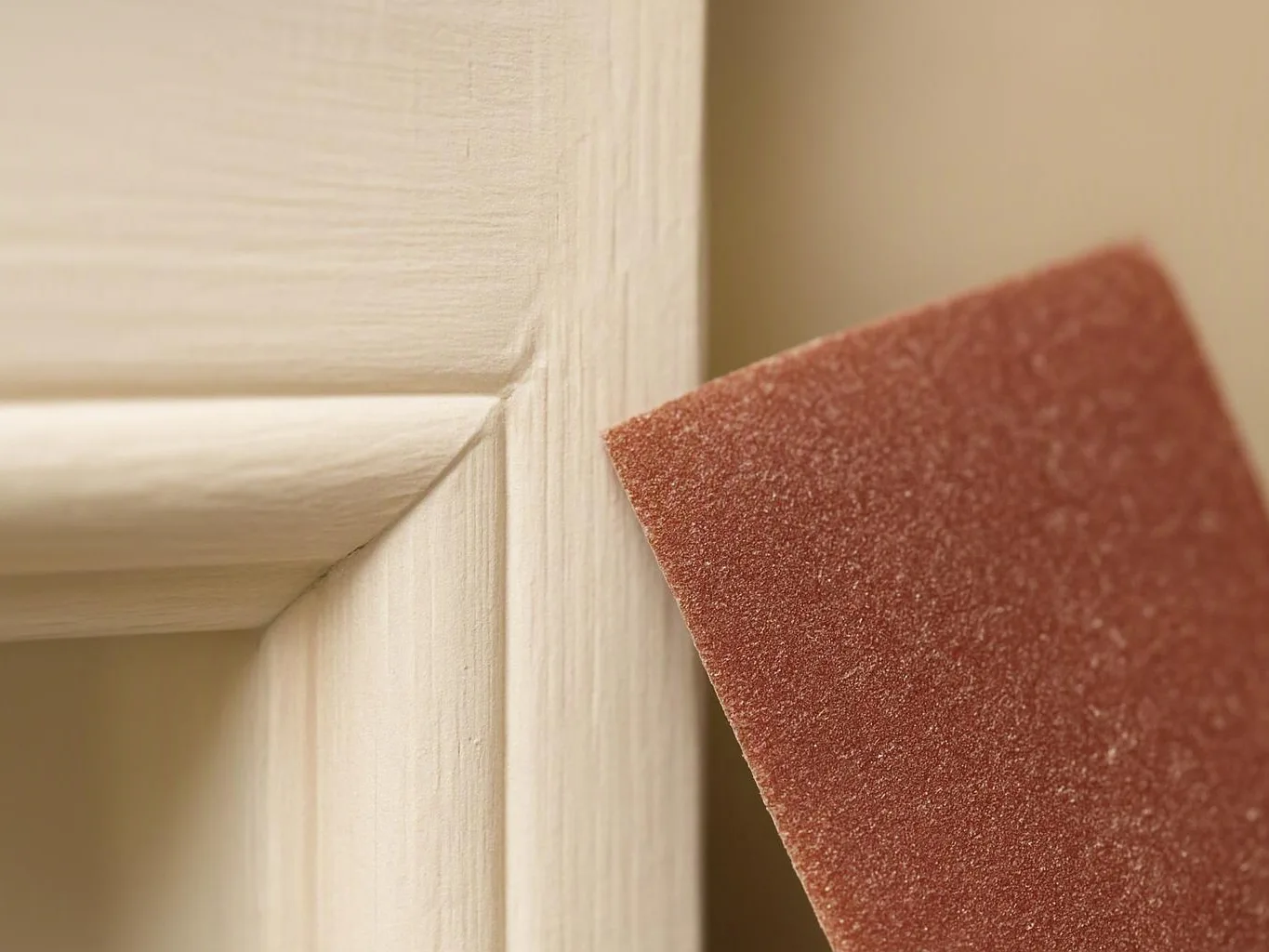
Dust removal should come before ceiling repairs, primer, and paint. We inspect the surface for stains, cracks, loose coating, and rough areas. Then we protect nearby finishes, clean the ceiling, repair suitable defects, sand the affected areas, and apply primer where needed. This order gives the finish coat a cleaner surface and helps the planned work match the ceiling condition.
What ceiling conditions change the work plan?
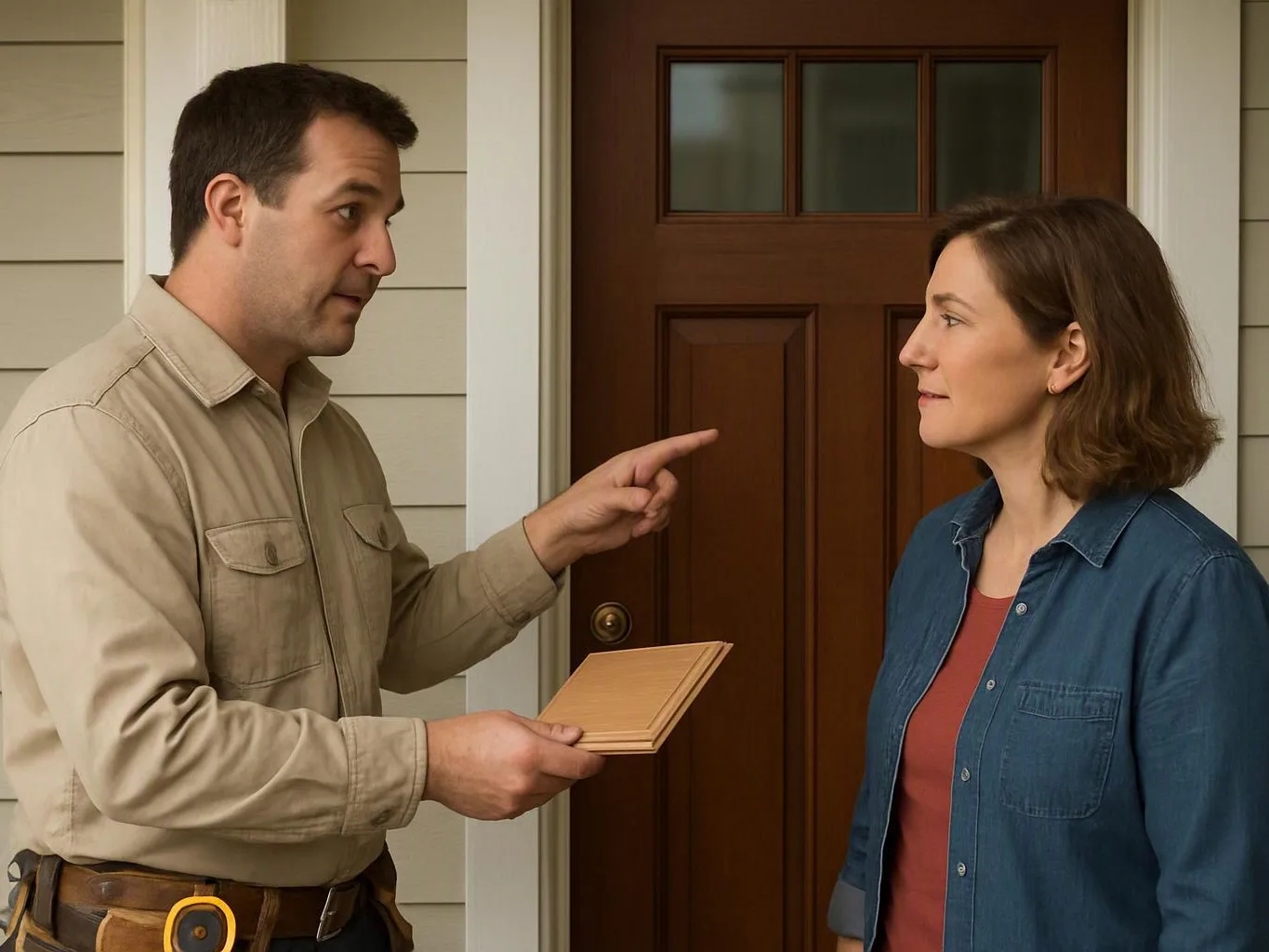
Stains, cracks, loose coating, heavy residue, and difficult fixture access can change the work plan. Each condition calls for a different check or preparation step. Stains may need stain blocking, while cracks may need repair and sanding. We review these details during the in-home meeting before we set the project scope.
Which details should I confirm before approving the work for Ceiling Painting?
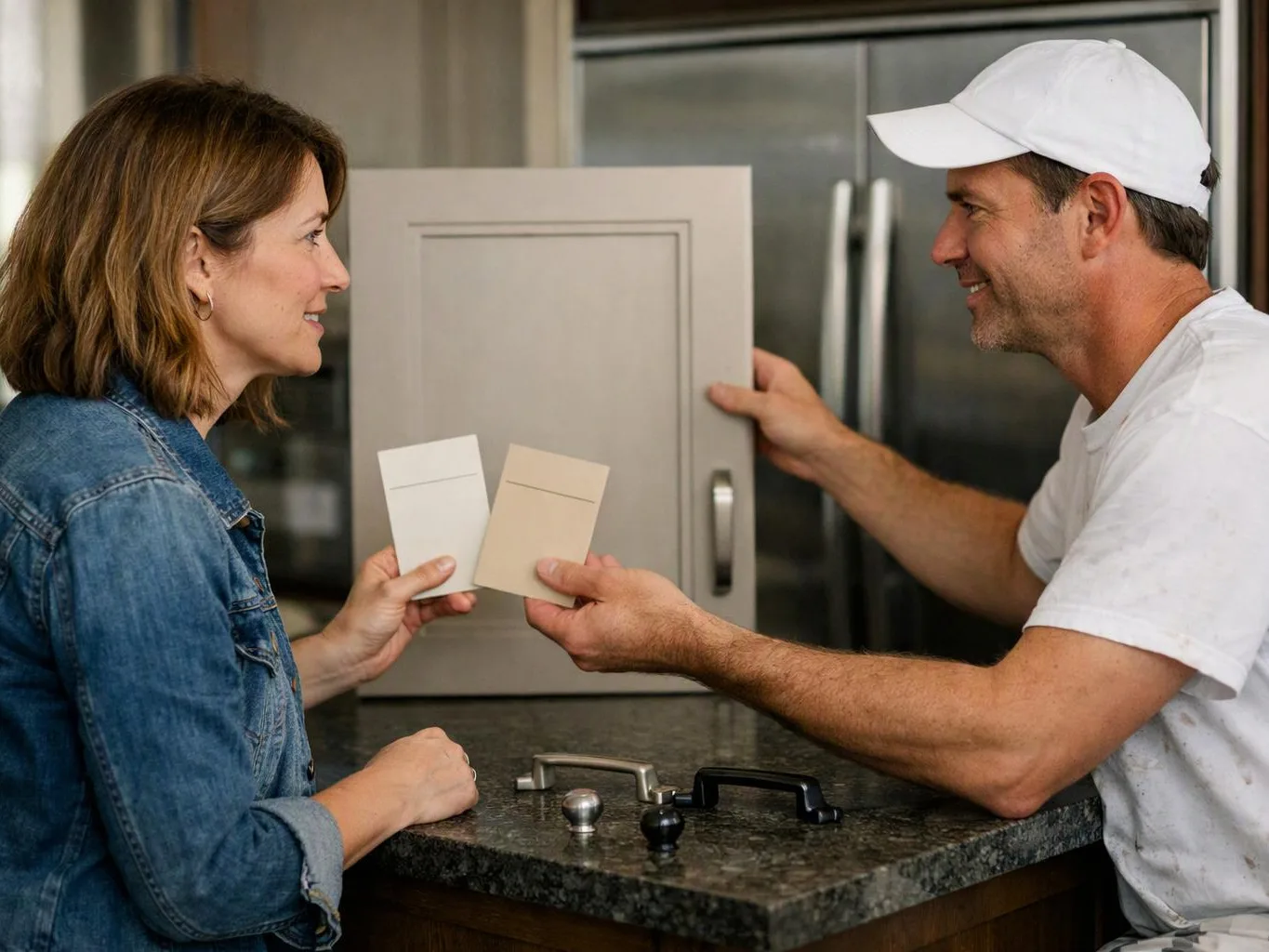
The approved scope should identify preparation, repairs, primer, paint, protection, cleanup, and final inspection. The estimate should also reflect the ceiling condition and access needs. Ask which visible defects will be addressed and which conditions fall outside the painting scope. We explain these points during the consultation so the plan is clear before work starts.
When does a ceiling need primer before paint?
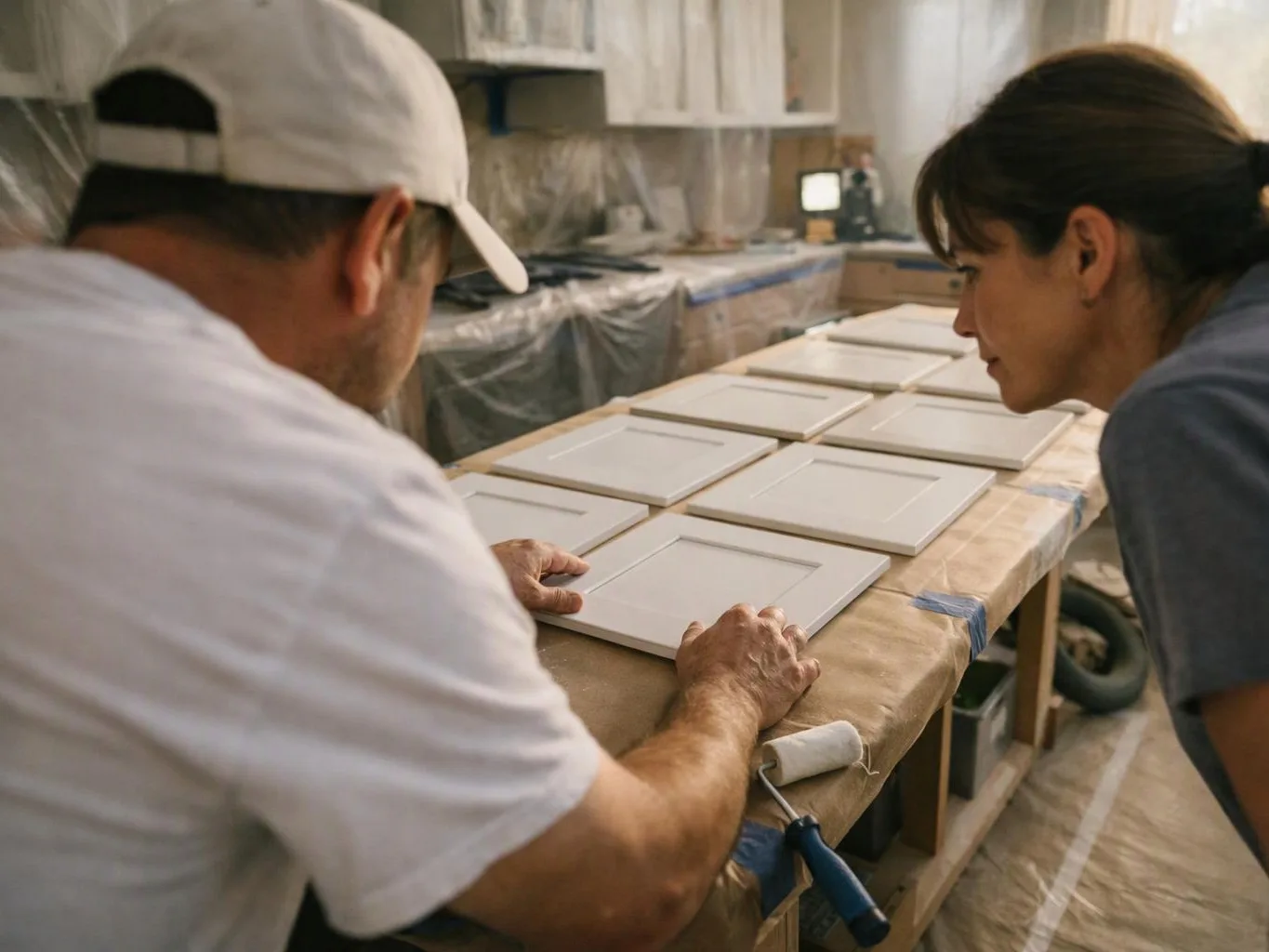
Primer is needed when repairs, stains, or the existing surface require a better base for paint. Repaired areas can absorb finish paint differently from the surrounding ceiling. A suitable primer helps create a more even surface for the planned coating. We choose that preparation step after checking the ceiling rather than treating every surface the same way.
Why do ceiling cracks need attention before coating?
Ceiling cracks need attention because paint can leave the defect visible beneath the new coating. We inspect the crack and nearby surface to decide whether suitable repair work belongs in the painting scope. The area may then need sanding and primer before paint. Conditions outside normal painting repairs need discussion before the project proceeds.
How do you protect a room during overhead painting?
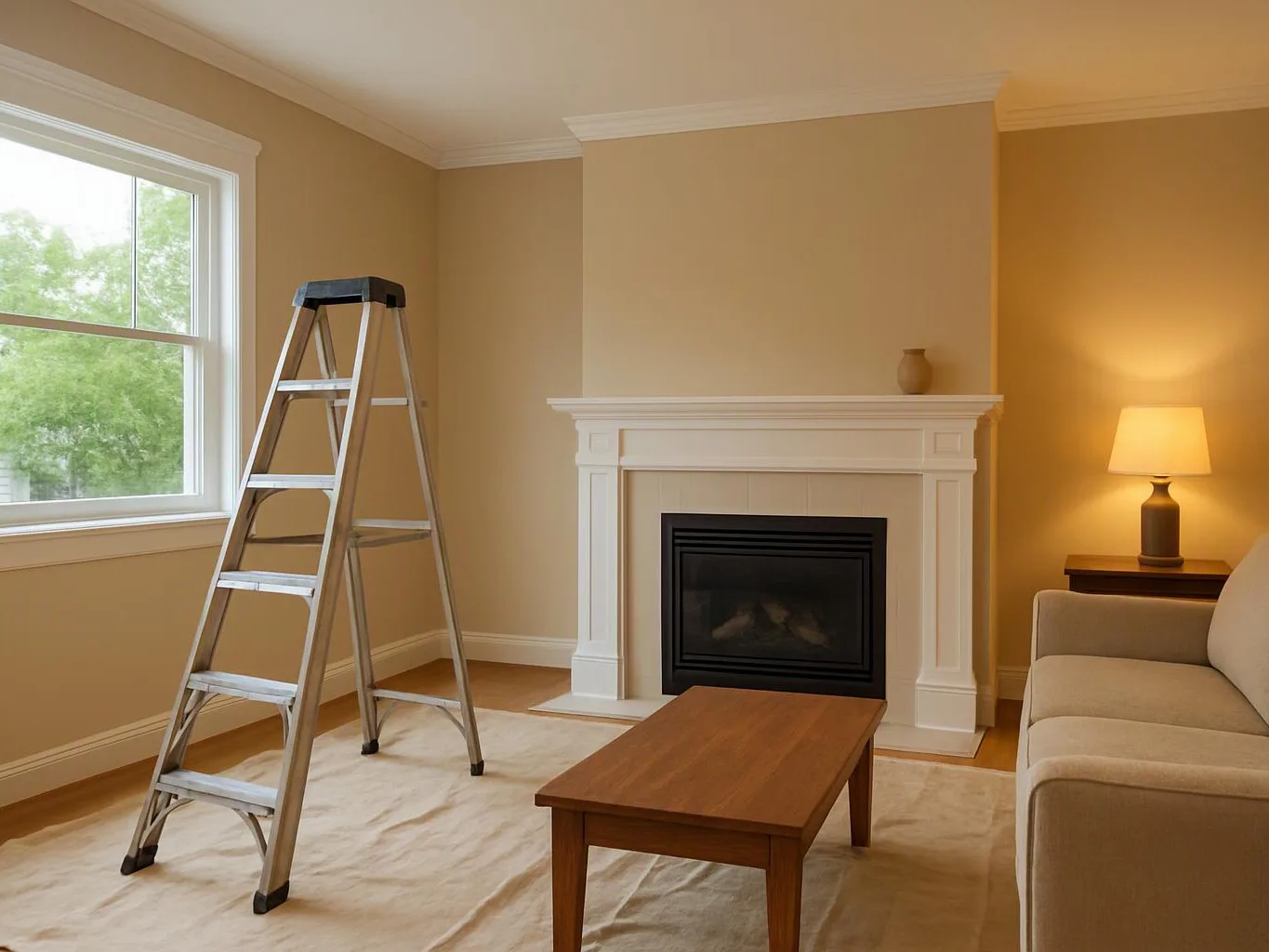
Room protection covers floors, furniture, fixtures, trim, and related finished surfaces before preparation begins. Overhead work can release dust during sanding and create splatter during coating. We organize the work area before touching the ceiling, then clean the related areas after painting. Access and protection needs are part of the estimate discussion.
What information helps you prepare a ceiling estimate?
Ceiling condition, room access, visible stains, cracks, fixtures, and requested repairs help shape an estimate. Photos can help start the discussion, but an in-home meeting gives us a better view of the surface and nearby work areas. We use that consultation to discuss the scope, preparation, and project plan before painting begins.