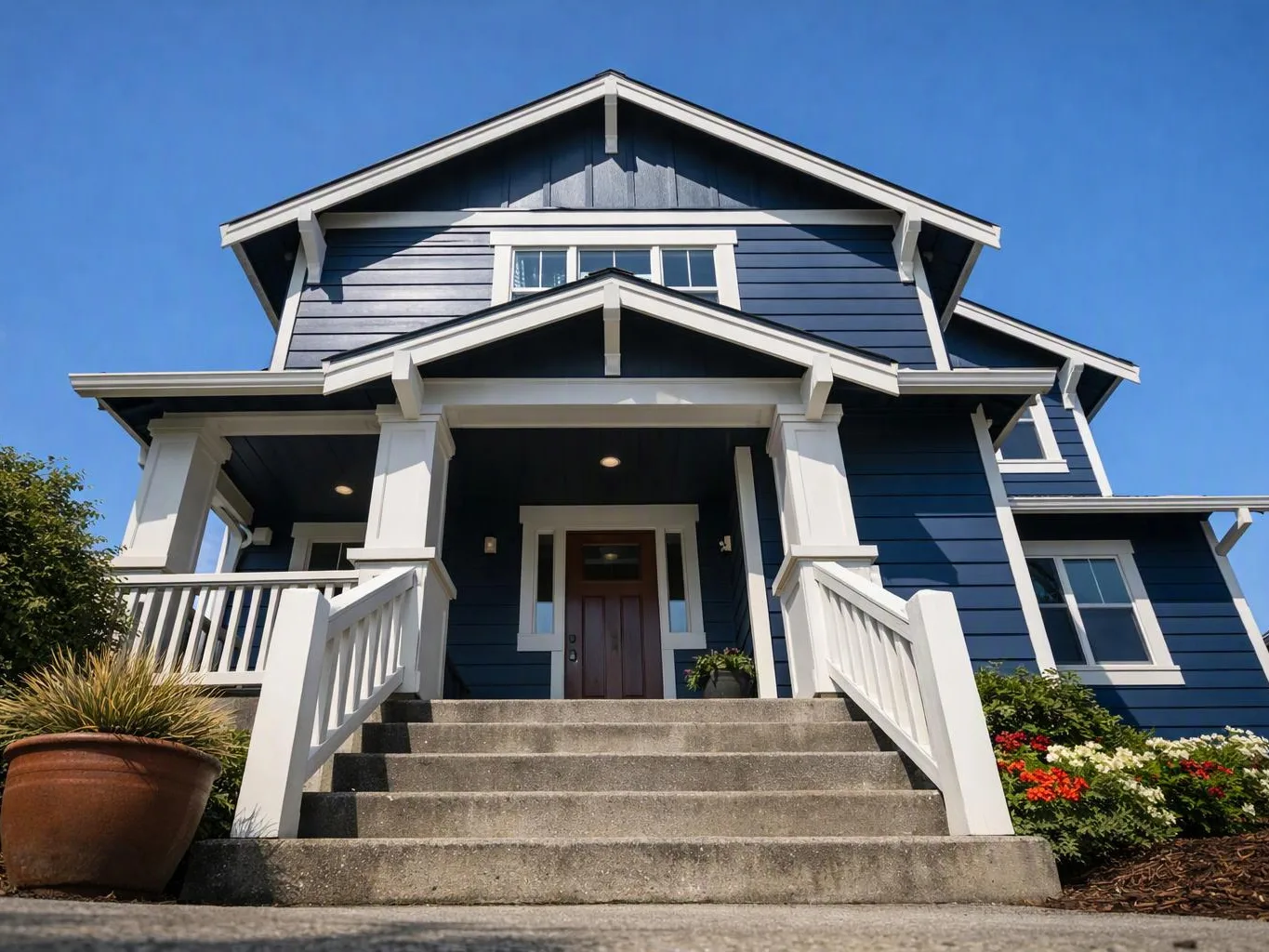
What a Professional Painting Contractor Brings to a Project in Redmond, Washington
Hiring a painting contractor brings careful preparation, suitable tools, safer work practices, and consistent finish quality to a project. PainterRedmondwa.com applies that process to interior, exterior, and commercial painting projects, with Free Estimates Available.
Get a Free EstimateWhy Hire a Painting Contractor for Your Project?
Hiring a painting contractor helps coordinate preparation, materials, application, cleanup, and finish checks as one connected process.
We begin by matching the work to the surface, room, and project goals. Our team checks walls, ceilings, trim, siding, and other areas before choosing the work sequence.
Surface preparation supports clean lines, even coverage, and stronger paint adhesion. We also plan protection and cleanup so the project stays organized from start to finish.
Interior Painting, Exterior Painting, and Commercial Painting each require different planning. You can explore our Interior Painting service when your project focuses on rooms, ceilings, trim, or doors.
What Does a Painting Contractor Do Before Painting?
A painting contractor assesses the surfaces, protects nearby areas, prepares defects, and plans the coating system before applying paint.
These steps help prevent rushed decisions during application. They also give the project a clear written scope and a practical order of work.
How Professional Preparation Improves the Finished Paint Job
Surface preparation improves how paint bonds, covers, and holds on the substrate. We clean dirt and residue, sand rough areas, patch defects, and caulk gaps before applying coatings.
Priming can help create a more even base and support paint adhesion. The right preparation also reduces visible flaws under the final paint finish.
Interior painting needs careful preparation around walls, ceilings, trim, and doors. Our team checks the surface before application so coverage looks consistent across connected areas.
Which Tools and Materials Support Better Painting Results?
Professional painting tools support steady application, cleaner edges, safer access, and better site protection. We choose tools and materials based on the surface and coating system.

| Tool or material | How it supports the project |
|---|---|
| Brushes | Support edge work, trim, corners, and detailed areas. |
| Rollers | Help apply coatings across broad, prepared surfaces. |
| Sprayers | Can support suitable large or textured surfaces when site conditions allow. |
| Drop cloths and masking materials | Protect floors, furniture, fixtures, and nearby surfaces. |
| Sanding tools | Smooth rough areas and help prepare surfaces for coating. |
| Ladders | Provide access to elevated areas when used with proper work practices. |
| Primers | Help prepare selected surfaces for the finish coating. |
| Interior, exterior, and commercial coatings | Match the coating system to use, exposure, surface type, and finish goals. |
Tool choice affects how the coating is applied and controlled. Material choice affects adhesion, coverage, drying, curing, and long-term finish quality.
What Changes Between Interior, Exterior, and Commercial Painting?
Interior Painting, Exterior Painting, and Commercial Painting differ in exposure, access, surface type, and coating selection.
Interior work focuses on room protection, drying conditions, finish details, and occupant disruption. Exterior work must account for moisture exposure, surface dampness, weather, drying, and curing.
Commercial work adds access planning, work-area control, scheduling, and business operations. We select the coating system after reviewing how each space is used.
Seasonal wet weather and persistent outdoor moisture in King County can leave exterior surfaces damp and slow coating drying. Changing seasonal drying conditions can also affect exterior preparation, application, and curing in Redmond, Washington.
Interior Painting Requires Careful Room Protection
Interior Painting requires protection for walls, ceilings, trim, doors, furniture, and floors. Our crew plans a low-disruption workflow around the areas being painted.
We use masking and site protection to keep paint where it belongs. Room access and daily cleanup also help the project stay usable during the work.
Exterior Painting Requires Surface and Weather Planning
Exterior Painting requires a surface check before we apply exterior coatings. Siding and other substrates must be dry enough for proper application and bonding.
Surface dampness can affect drying and curing. We review weather exposure and changing drying conditions before planning the coating sequence.
Commercial Painting Requires Access and Workflow Planning
Commercial Painting requires a plan for work areas, scheduling, access routes, and business operations. Our team organizes the coating system around the property’s use.
Clear access planning helps separate active work from occupied areas. We also coordinate application and cleanup so the site remains orderly.
What Should You Check Before Hiring a Painting Contractor?
You should check that the project scope explains preparation, materials, protection, application, cleanup, and final checks.
A clear scope makes the work easier to understand before application begins. It also gives both sides a shared reference for quality control.
How We Plan Your Painting Project in Redmond
We review the project, explain the planned work, provide Free Estimates Available, prepare the surfaces, apply the coatings, and check the finished areas.
Project cost depends on surface condition, repair needs, preparation, coating selection, access, and the amount of work included. Contact us through our project consultation page so we can review the details and prepare an exact project estimate.
Questions About Painting Contractor Benefits
What should a painting estimate include?
A painting estimate should include the work areas, surface preparation, repairs, protection, materials, application, cleanup, and final checks. We use the project scope to explain what the estimate covers.
Why is surface preparation important before painting?
Surface preparation is important because clean, smooth, repaired surfaces support paint adhesion and even coverage. Preparation also helps the final paint finish look more consistent.
Can a painting contractor help choose paint and sheen?
Yes, a painting contractor can help choose paint and sheen based on the surface, room use, exposure, color selection, and desired finish. We review those factors during project planning.
Related Resources
Interior Paint or Wallpaper: Which Is the Better Fit for Your Walls?
Compared ToFence Staining or Painting: Compare the Finishes Before You Hire
Compared ToPopcorn Ceiling Removal or Skim Coating: Compare the Project Options
Compared ToWallpaper Removal or Painting Over It: Which Service Fits the Job?