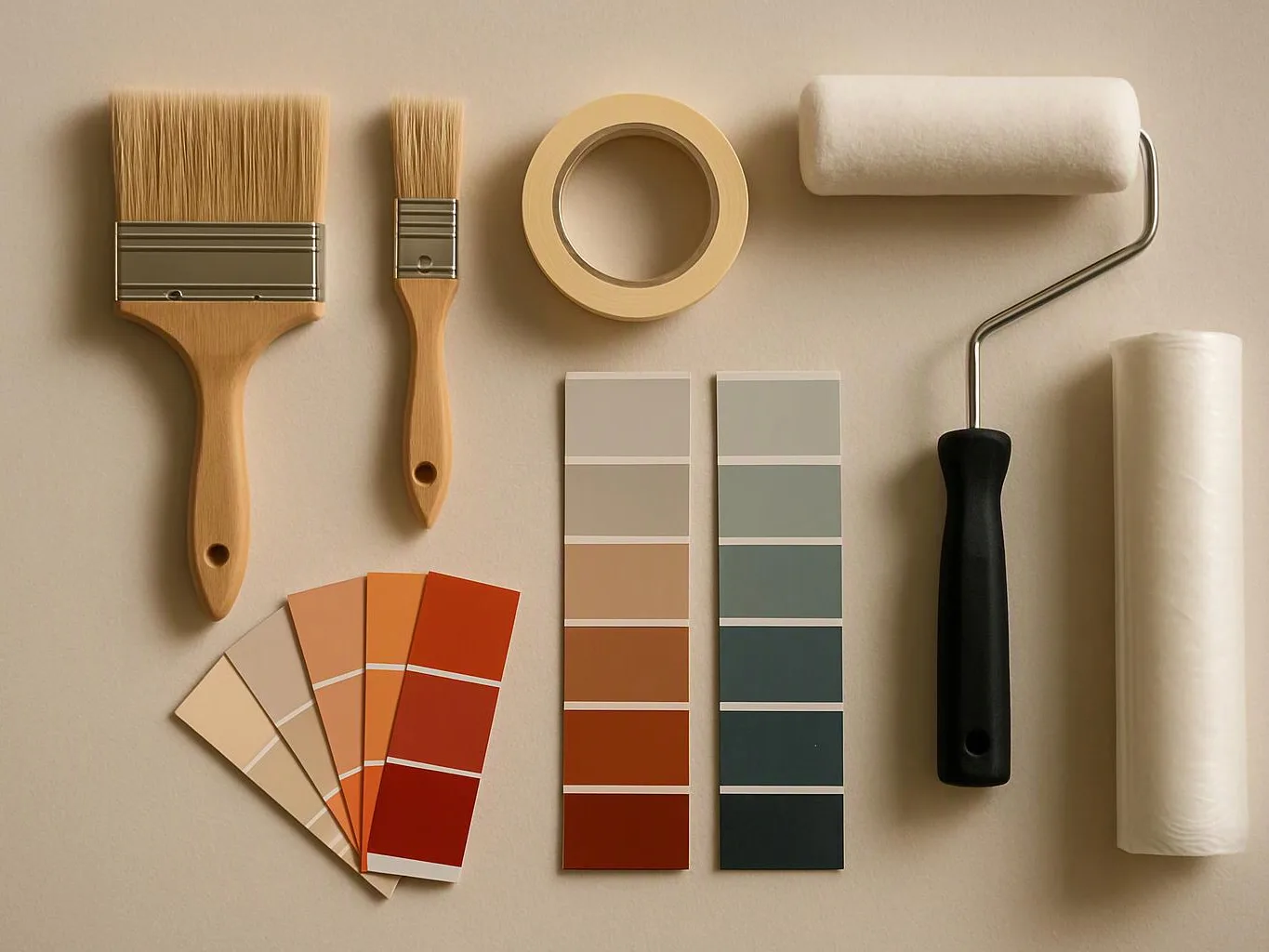
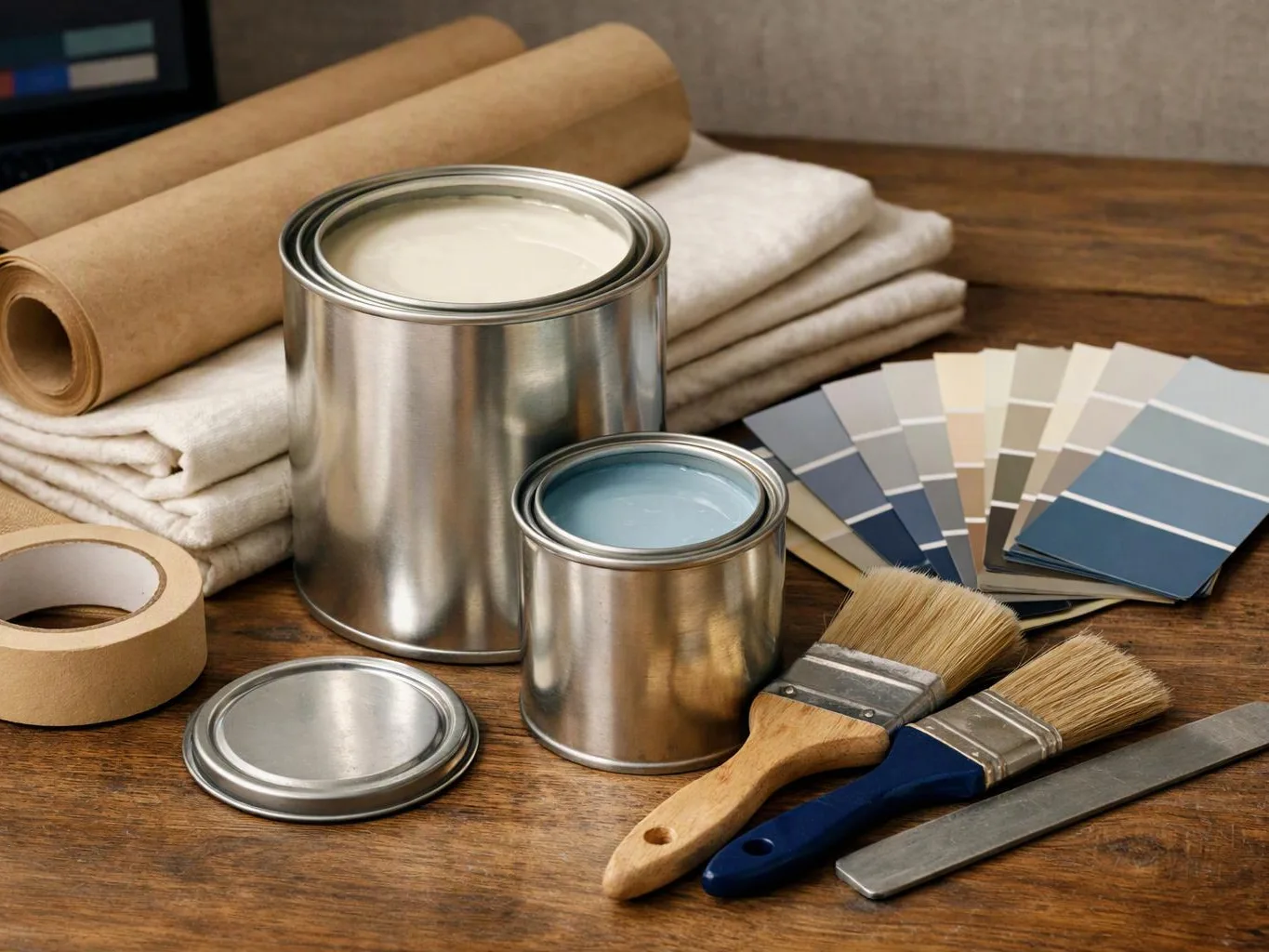
Fence Staining or Painting: Compare the Finishes Before You Hire
Fence paint creates a solid, covering finish, while fence stain lets more wood grain show through. PainterRedmondwa.com can assess the fence condition and provide a free estimate for the finish that fits the wood, look, and maintenance plan.
Get a Free EstimateFence Paint vs Stain at a Glance
Fence finishes are compared by appearance, wood condition, maintenance, durability, and project fit. Fence paint gives stronger color coverage, while fence stain preserves more of the wood's natural appearance.
Relative cost depends on preparation, fence condition, surface area, product choice, and the amount of labor required. The right choice also depends on the existing coating and how much wood grain you want to see.
Quick Picks
- Fence paint: Best for solid color, broad color control, and coverage over uneven wood.
- Fence stain: Best for preserving wood grain, texture, and a natural wood appearance.
| Factor | Fence paint | Fence stain | Project fit |
|---|---|---|---|
| Cost drivers | Preparation, coverage, product, and labor affect the relative cost. | Wood condition, absorption, product, and labor affect the relative cost. | A site review gives the most useful estimate. |
| Project timeline | Extra preparation may be needed for peeling or uneven coatings. | Absorption and drying conditions can affect the work sequence. | Weather and surface readiness influence the schedule. |
| Maintenance | Peeling areas may need scraping and touch-ups. | Fading may call for refreshing or recoating. | Sun and moisture exposure matter for both finishes. |
| Best-fit use cases | Solid color and broad surface coverage. | Visible wood grain and natural texture. | The finish should match the wood and maintenance plan. |
What Is the Difference Between Painting and Staining a Fence?
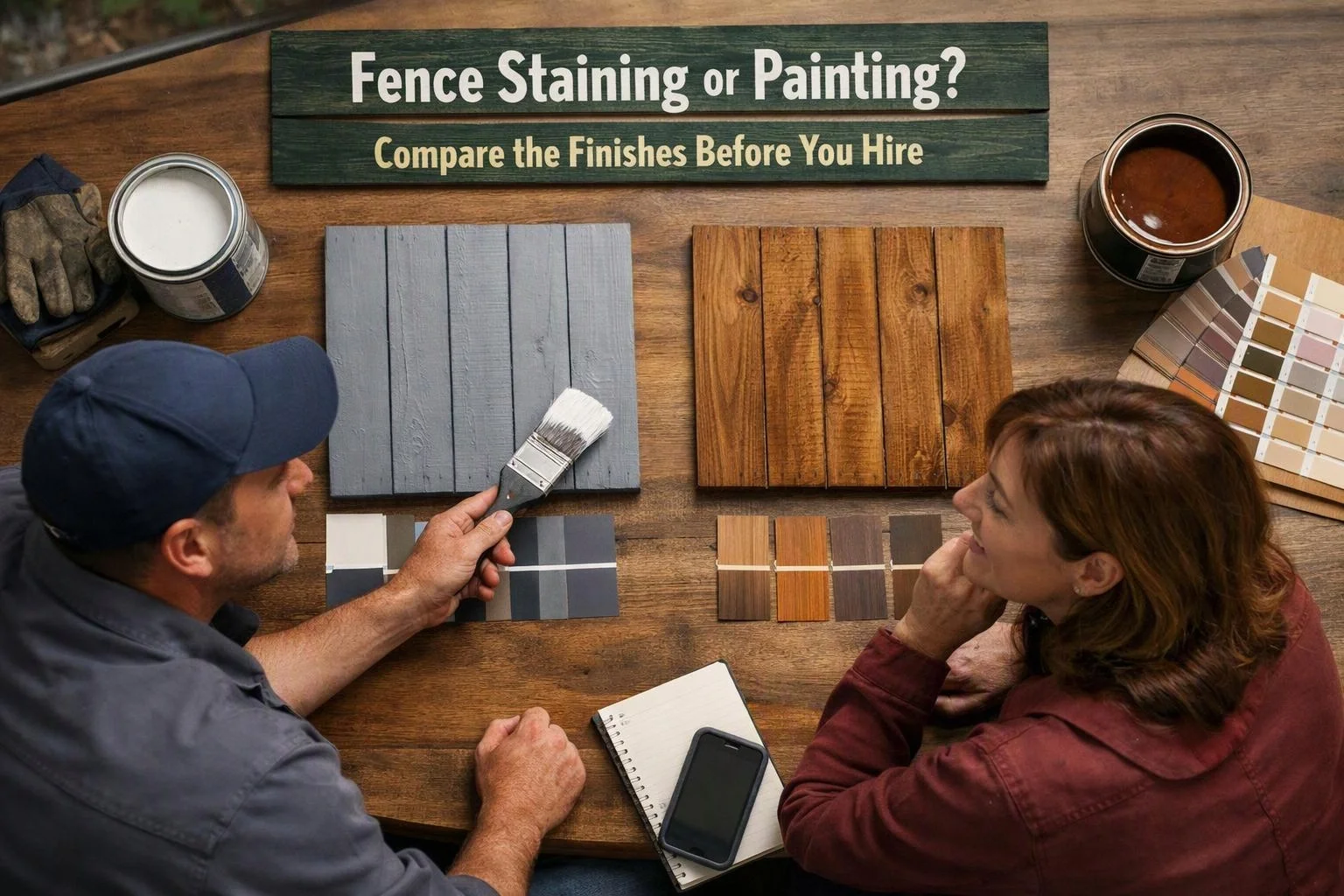
Fence paint is a film-forming finish that covers the surface with an opaque color, while fence stain is a wood finish that penetrates or lightly coats the material and shows more grain.
Paint creates an opaque finish, so it provides stronger surface coverage. Stain may be transparent, semi-transparent, or solid, depending on the product and desired look.
Paint can hide more of the wood texture and existing color. Penetrating stain soaks into suitable wood, while solid stain gives more color coverage but still keeps some texture visible.
Why Choose Paint for a Fence?
Fence paint is the stronger choice when you want solid color, broad color options, and more coverage over uneven wood. Paint can also create a clear design change when the fence needs to match nearby exterior paint.
Best for: homeowners who want solid coverage and more control over the final fence color.
Why Choose Stain for a Fence?
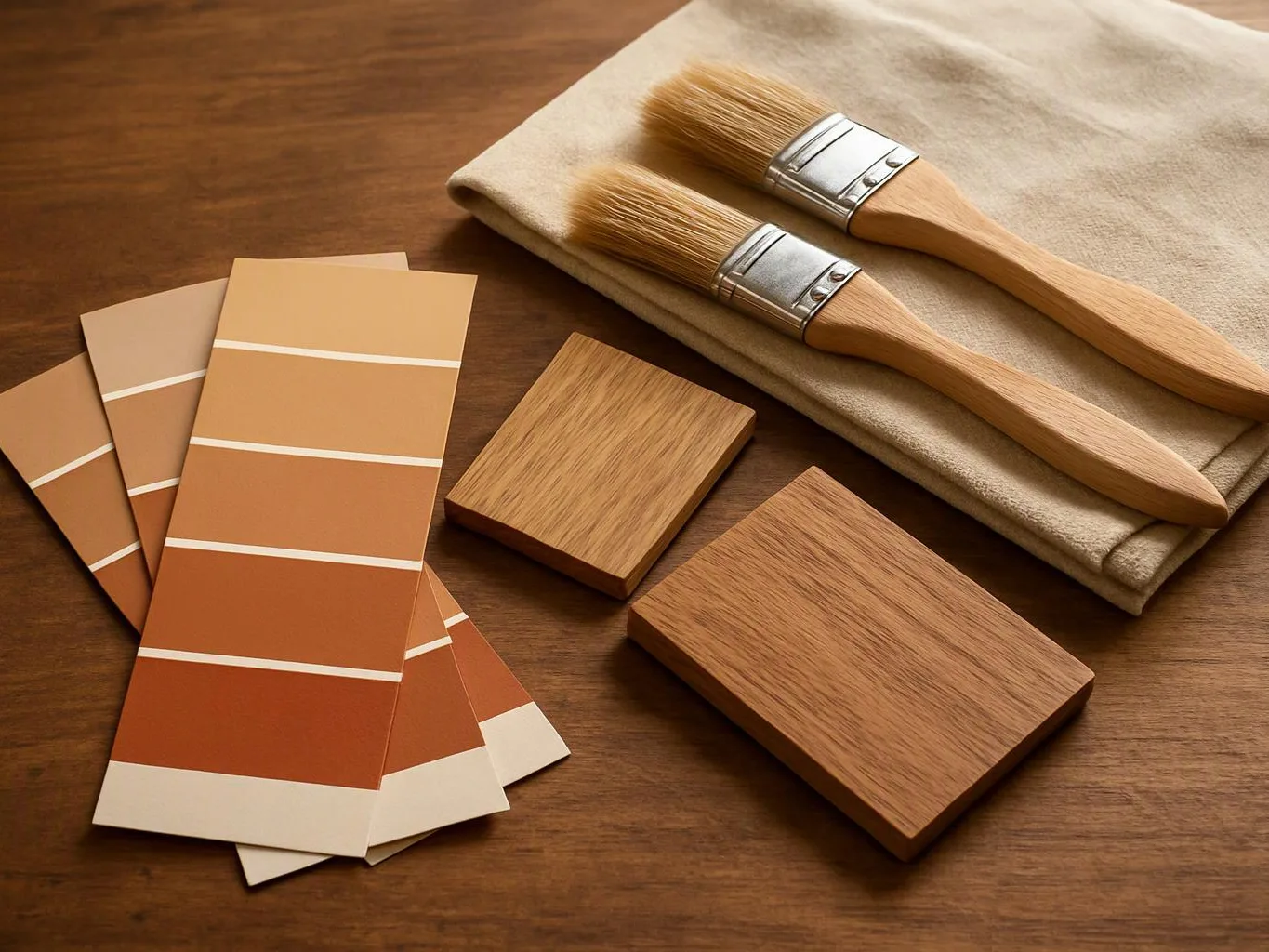
Fence stain is the stronger choice when you want the wood texture and grain to remain visible. Stain can support a natural appearance while adding color and protection suited to the wood.
Best for: homeowners who want visible grain, natural texture, and a less covered wood appearance.
How Does Fence Condition Affect the Finish Choice?
Fence condition can decide between paint and stain because peeling coatings, weathering, mildew, and damaged wood require different preparation and may limit the suitable finish.
Pressure-treated wood may need suitable drying and preparation before a coating performs well. Weathered wood can absorb stain unevenly and may need cleaning or other preparation first.
Peeling paint can prevent new paint or stain from bonding correctly. Mildew, rot, and cracks also need attention before we select a finish.
Our team checks the fence boards, posts, rails, and gates for sound wood and stable surfaces. We use the condition of the surface to guide preparation and finish selection.
What Should You Check Before Painting or Staining?
A fence finish decision starts with the wood condition, existing coating, moisture, and preparation needs. These checks help prevent poor adhesion, uneven color, and early finish failure.
We match the preparation to the coating and the fence condition. That approach helps the selected finish bond to a stable, clean surface.
Which Finish Needs More Maintenance?
Fence maintenance depends on exposure, preparation, product selection, and finish condition; paint can show peeling clearly, while stain can fade and need refreshing.
Sun exposure can cause fading in both finishes, while moisture exposure can stress an unprepared or damaged surface. Paint maintenance often focuses on peeling, failed edges, and touch-up areas.
Stain maintenance often focuses on fading, absorption, and recoating when the color no longer looks even. Regular visual checks can reveal problems before they spread across more fence boards.
How We Assess the Right Fence Finish
We check the wood, current coating, surface damage, exposure, and desired appearance before recommending paint or stain; our team provides free estimates.
Our fence inspection considers pressure-treated wood, weathered boards, mildew, rot, cracks, and peeling coating. We also review how much grain you want visible and how the fence faces sun and moisture.
Our team can explain whether fence staining service or exterior painting better fits the surface. We include the needed surface preparation in our estimate so the finish choice is based on the whole project.
When old paint blocks a sound result, we can discuss a paint stripping service before choosing the next coating.
Which Fence Finish Is Right for Your Project?
Choose fence paint for solid coverage and stronger color control, or choose fence stain when preserving wood grain and texture matters most.
Fence age can affect the decision because older boards may have more weathering, repairs, or uneven absorption. Your maintenance plan also matters, since paint and stain show wear in different ways.
Our team can compare the project goals with the wood condition and current finish. We then recommend the coating that supports the appearance you want and the preparation the fence needs.
Questions Homeowners Ask About Fence Paint and Stain
Homeowners often need clear answers about coating compatibility, wood grain, and preparation. The existing finish usually decides whether a new product can bond successfully.
Our team reviews the fence before recommending a coating. That review helps connect the finish choice to the wood condition and the desired appearance.
Questions About Choosing Fence Paint or Stain
Can you stain a fence that has been painted?
Yes, a painted fence can sometimes be stained after the paint is removed and the wood is suitable. Our team checks paint adhesion, remaining coating, wood condition, and surface preparation needs first.
Can fence stain cover old paint?
No, fence stain is not a reliable way to cover unstable old paint. Peeling or thick paint can block stain penetration and cause an uneven result, so our team assesses removal and preparation first.
Does fence paint hide wood grain?
Yes, fence paint usually hides more wood grain because it forms an opaque surface coating. The amount of visible texture depends on the board condition and the selected product.
Is solid stain closer to paint or stain?
Solid stain is closer to stain because it is made for wood and keeps more texture visible, but it provides stronger color coverage than transparent or semi-transparent stain.
What finish works best for weathered fence boards?
Weathered fence boards need surface preparation before the best finish can be chosen. Our team checks cleaning needs, damaged wood, absorption, and existing coating before recommending paint, solid stain, or another suitable finish.