Cracked Drywall or Uneven Texture: What to Repair Before Painting
Drywall cracks, loose joint compound, bubbling paint, and uneven texture should be repaired before repainting so the new finish can bond and look even. At PainterRedmondwa.com, we check the surface, correct underlying damage, and prepare it for paint.
Get a Free Estimate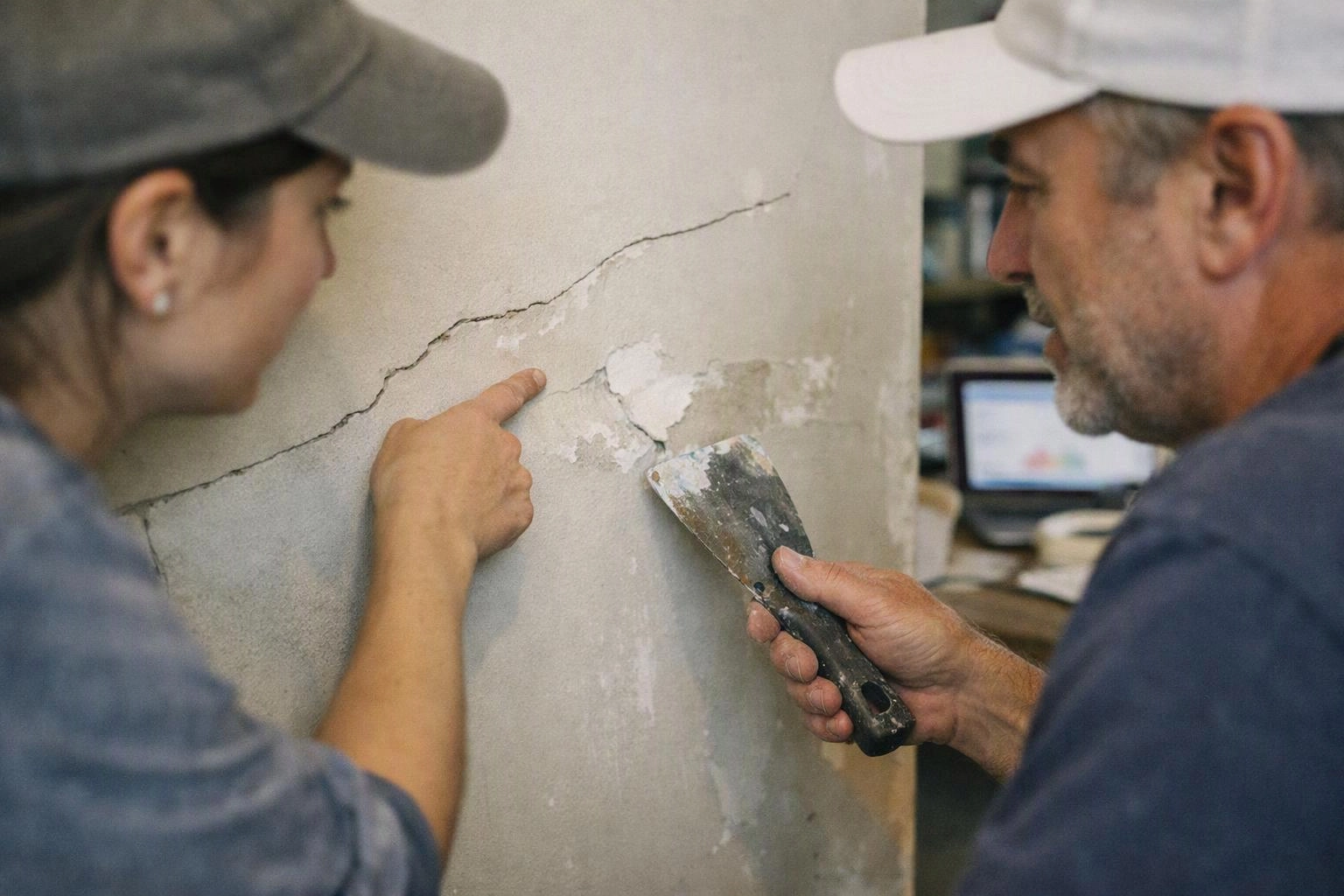
Why Drywall Cracks and Paint Failure Happen
Drywall cracks and paint failure usually point to movement, weak surface preparation, moisture, or poor adhesion. A hairline crack may come from normal settling, while a recurring crack can signal movement at a drywall seam.
Joint compound can loosen when drywall shifts or moisture reaches the surface. Paint can also fail when loose material remains underneath, so repainting alone won't create a lasting finish.
Signs the Surface Needs Repair Before Painting
These visible signs show that the surface needs more than a new coat of paint. We use them to decide whether the problem involves drywall, texture, paint, or moisture damage.
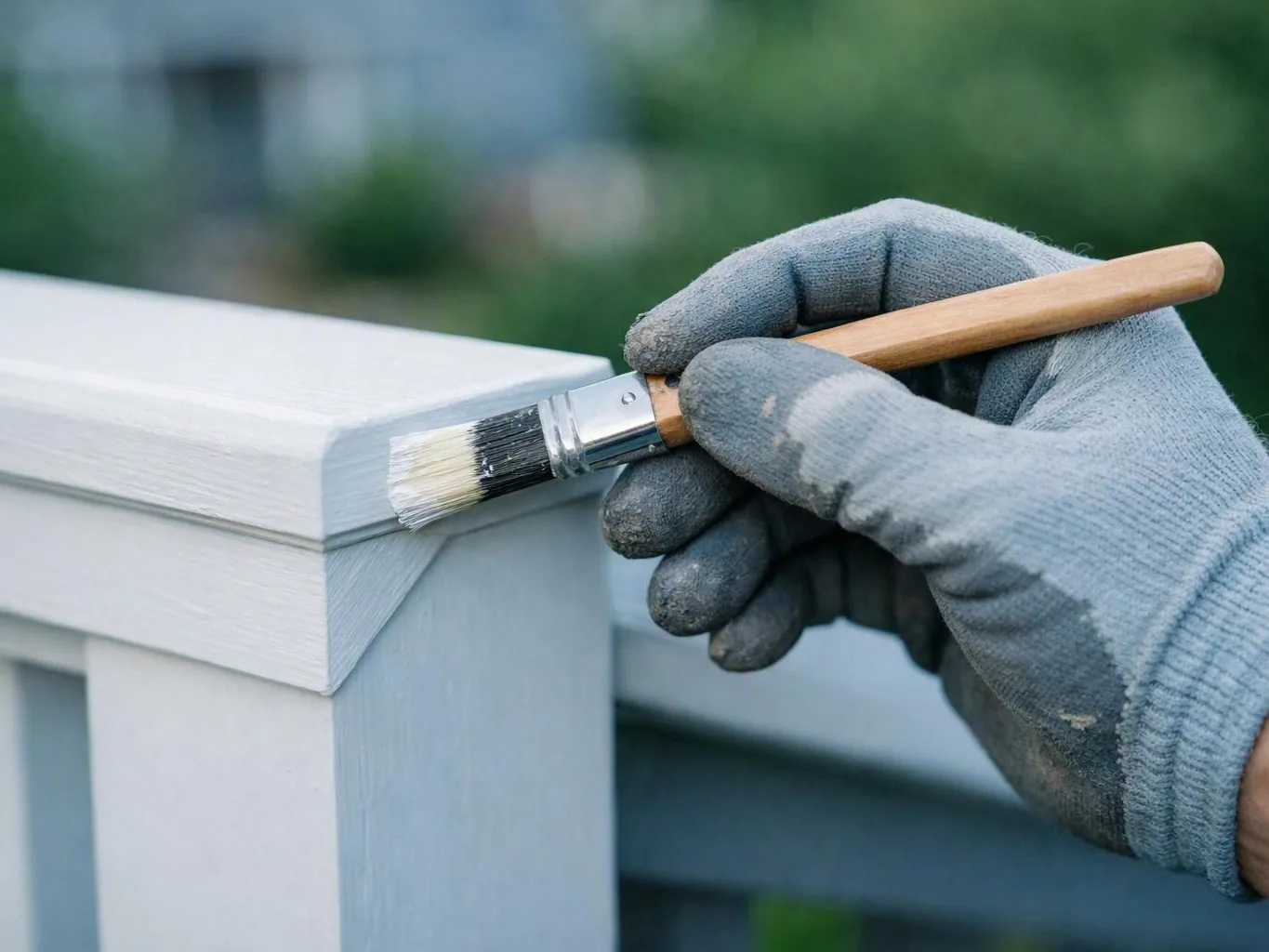
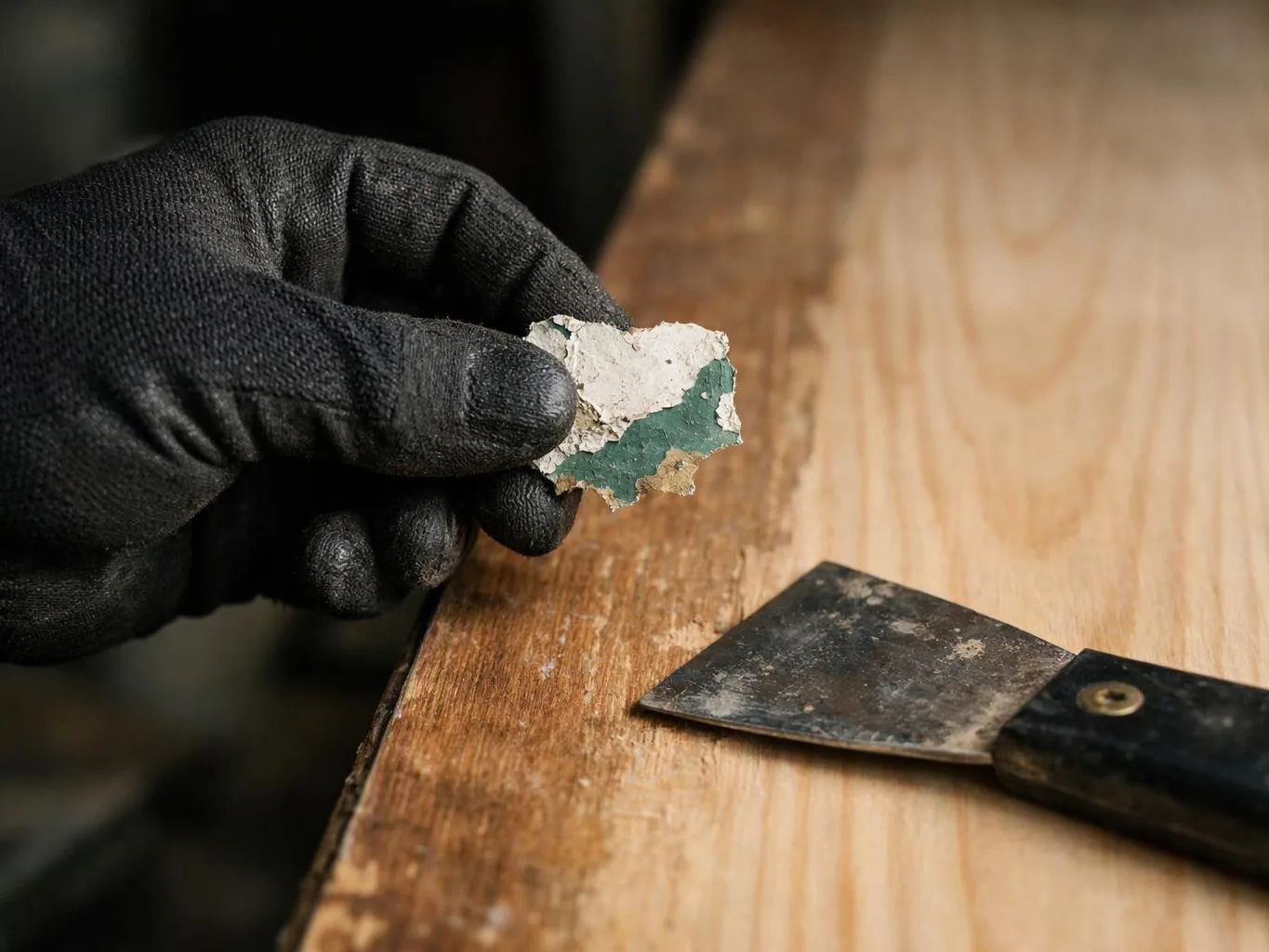
Paint should not cover loose or damaged material. We remove failed layers and prepare the surface so new paint has a sound base.
What We Check Before Repainting Cracked Drywall
Surface inspection starts with the crack location, crack pattern, and nearby drywall seams. We check whether the damage is limited to the paint film or reaches the drywall panel and joint compound.
Our team checks ceiling damage, surface moisture, and paint adhesion before choosing crack repair or patching. These checks help us decide whether the area needs drywall tape, a skim coat, texture work, stain sealing, or paint removal.
Common Causes of Cracks, Bubbling, and Uneven Texture
Several surface conditions can create visible paint failure. Identifying the cause helps us choose repairs that support the new finish.
Moisture damage needs attention before painting. Covering an active source can lead to recurring bubbling and stains.
Which Drywall Repairs Should Happen Before Painting?
The repair depends on whether the problem affects the drywall, the texture, the paint bond, or the surface color. We match the repair to the damage instead of treating every mark the same way.
| Surface problem | Likely preparation |
|---|---|
| Cracks through compound or seams | Crack repair, patching, or joint tape repair |
| Broad shallow surface damage | Skim coating and sanding |
| Texture patch or inconsistent pattern | Texture blending and texture matching |
| Stains or water marks | Stain sealing and primer requirements review |
| Loose or failed paint | Paint removal, surface preparation, and primer |
How We Restore an Even Surface for New Paint
Our repaint preparation follows the condition of the wall or ceiling. Each step supports clean paint adhesion and a consistent final appearance.
Our team can also explain how Drywall Texturing supports a smoother repainting result. The goal is one connected surface system, not separate repairs that show through the finish.
How to Help Prevent Future Paint Failure
Good surface care helps protect new paint and repaired drywall. Early attention also makes later repairs more focused.
New bubbling, peeling, or staining deserves attention before it spreads. A clean, dry, well-primed surface gives paint a stronger base.
When Uneven Drywall Texture Needs Repair
Uneven drywall texture needs repair before painting when ridges, patches, or texture changes remain visible under new light and paint. Texture affects how the surface reflects light, so small differences can become easy to see after repainting.
Orange peel texture, knockdown texture, and ceiling texture each create a different surface pattern. We assess the existing texture, prepare the damaged area, and blend the repair so it fits the surrounding finish.
What Changes the Cost of Repairing Drywall Before Painting?
The cost changes with the damage size, repair depth, texture work, ceiling access, and amount of repainting required. Crack size and paint removal also affect the amount of preparation involved.
Primer requirements can change the materials and surface work needed. We review the repair area, explain what the quote includes, and provide Free Estimates Available so you can request an exact quote for the job.
Request a Drywall and Painting Assessment
We assess drywall texturing, interior painting, ceiling painting, cracks, stains, and paint failure as connected parts of the same surface. That review helps us recommend the preparation needed before new paint.
Contact our team to request an assessment and quote for your repair and repainting needs.
Questions About Cracked Drywall and Uneven Texture
Can you paint over hairline cracks in drywall?
No, hairline cracks should be assessed and repaired before painting when they are loose, recurring, or visible through the finish.
Why does ceiling paint bubble after repainting?
Ceiling paint usually bubbles after repainting when moisture, loose paint, weak adhesion, or poor surface preparation remains below the new coat.
How can you tell if a drywall crack is only cosmetic?
A drywall crack is more likely cosmetic when it stays narrow, does not return, and shows no related moisture, seam movement, or loose material.
Should loose paint be removed before applying primer?
Yes, loose paint should be removed before primer so the primer bonds to a stable surface.
Can repaired drywall texture be matched to the existing wall?
Yes, repaired drywall texture can often be blended to match the existing wall when the pattern and surrounding surface are assessed carefully.
Related Resources
Interior Paint or Wallpaper: Which Is the Better Fit for Your Walls?
Compared ToPopcorn Ceiling Removal or Skim Coating: Compare the Project Options
Compared ToWallpaper Removal or Painting Over It: Which Service Fits the Job?
Compared ToPainting Contractor or General Contractor: Who Should You Hire?