Signs of Water Damage in Drywall That Paint Won’t Fix
Water-damaged drywall needs attention before painting because moisture can weaken the wall and cause new paint failure. At PainterRedmondwa.com, we help homeowners in Redmond, Washington identify damaged drywall before surface repairs begin.
Get a Free Estimate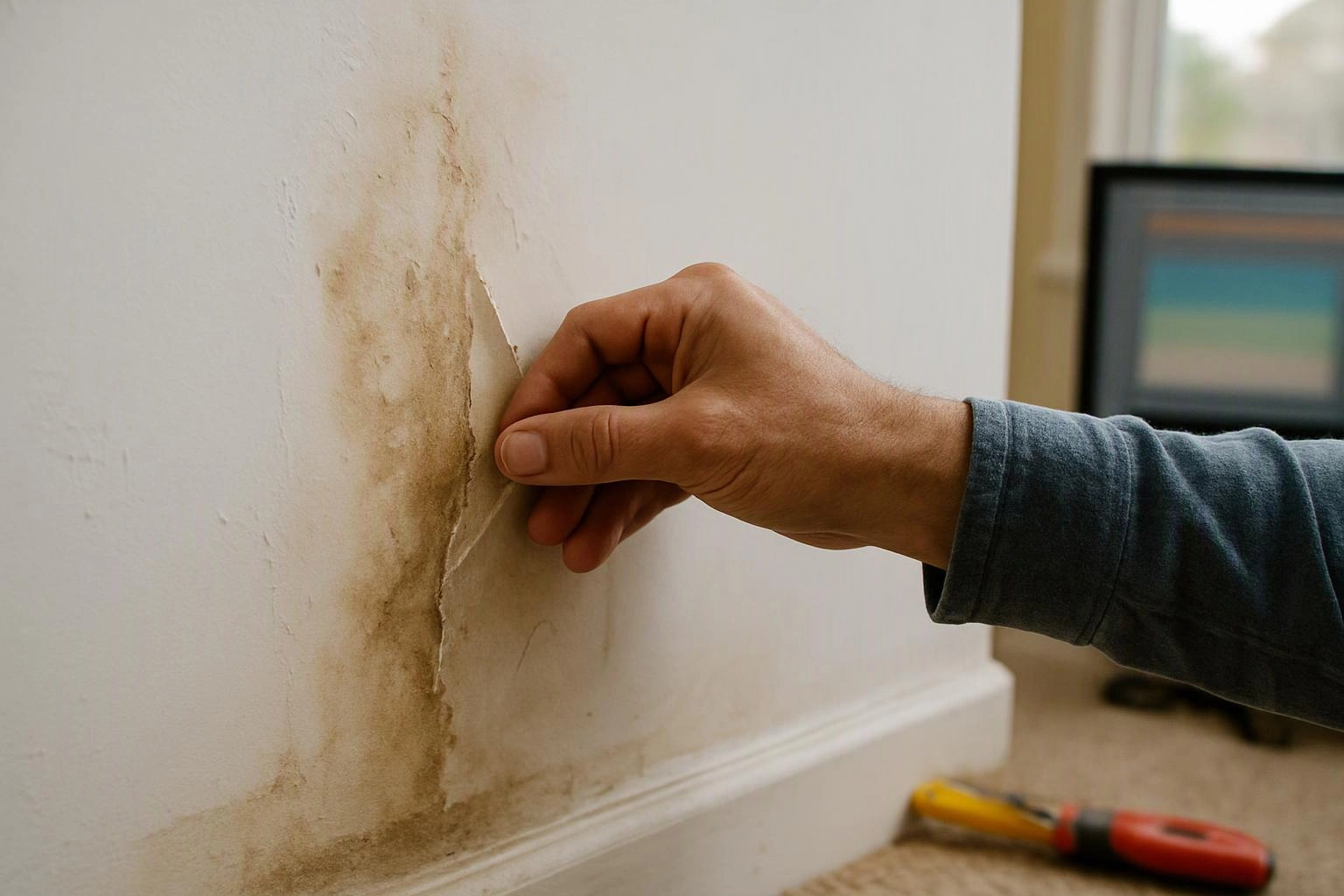
What are signs of water damage in drywall?
Water-damaged drywall often shows visible changes that paint alone cannot correct. We check the surface, nearby trim, and wall texture before recommending any painting work.
Look for these warning signs:
We also look for the source, such as a plumbing leak, roof problem, or condensation. If the source remains active, new paint may stain, peel, or fail again.
Can bubbling paint mean water damage behind a wall?
Yes, bubbling paint can mean water damage behind a wall, but other causes are possible. Moisture can loosen the bond between paint and drywall, which creates raised bubbles or blisters.
We inspect whether the bubbles feel dry, soft, or damp. We also check nearby corners, windows, ceilings, and plumbing areas for related signs.
Fresh paint won't seal an active leak. The water source must be addressed first by the appropriate licensed trade when plumbing, roofing, or electrical systems are involved.
After the area is safe and dry, our team can assess the surface. We may recommend patching, sealing, or Drywall Texturing before applying a finish coat.
What do soft or swollen drywall and peeling paint indicate?
Soft or swollen drywall and peeling paint indicate that moisture may have weakened the wall assembly. These changes can affect the paper face, gypsum core, joint compound, and paint film.
Firm drywall usually keeps its shape when gently pressed. Soft areas may feel spongy, crumble at the edges, or show fastener movement.
Swelling can also make seams and corners stand out. Peeling paint may expose damp paper or loose compound underneath.
We check how far the damage extends before preparing the surface. Our team avoids covering unstable material because the finish can crack or detach again.
Should you repaint drywall before fixing a leak?
No, you shouldn't repaint drywall before fixing the leak and drying the affected area. Paint can hide a stain briefly, but it cannot stop water from entering the wall.
We first need a safe, dry surface and a resolved moisture source. Plumbing, roofing, structural, or electrical concerns should be handled by the proper licensed professional.
Once the wall is stable, we assess staining, loose material, and surface texture. Our repair plan may include removing damaged sections, sealing stains, replacing compound, and applying Interior Painting.
The final result depends on the condition of the drywall and the quality of the underlying repair. Painting comes after those issues are addressed.
When does water-damaged drywall need replacement rather than paint?
Water-damaged drywall needs replacement when the material is soft, swollen, crumbling, sagging, or unable to hold a stable finish. Paint is suitable only when the drywall remains sound and dry.
Small surface stains may need cleaning, stain blocking, and repainting. Damaged seams or shallow surface defects may need patching before the finish coat.
Our team checks the affected area and nearby surfaces before choosing a repair method. We also consider whether moisture, odor, or visible growth remains present.
DIY work may suit a small, dry cosmetic mark, but hidden moisture needs a careful inspection. This comparison shows where our service fits:
| Factor | What you can do yourself | What we do |
|---|---|---|
| Visible staining | Document the stain and watch for changes. | Assess the surface and plan suitable preparation. |
| Loose paint | Avoid painting over loose or damp material. | Remove unstable coating and prepare the surface. |
| Soft or swollen drywall | Stop cosmetic work and arrange an inspection. | Check the damage and explain whether repair or replacement fits. |
| Active leak or moisture | Contact the proper licensed trade for the source. | Wait for a safe, dry surface before completing paint work. |
Our estimates cover the visible preparation and painting needs we identify during the review. Free Estimates Available, and you can request an exact quote through our contact page.
Related Resources
Interior Paint or Wallpaper: Which Is the Better Fit for Your Walls?
Compared ToPopcorn Ceiling Removal or Skim Coating: Compare the Project Options
Compared ToWallpaper Removal or Painting Over It: Which Service Fits the Job?
Compared ToCommercial Roof Coating or Replacement: How to Compare the Options