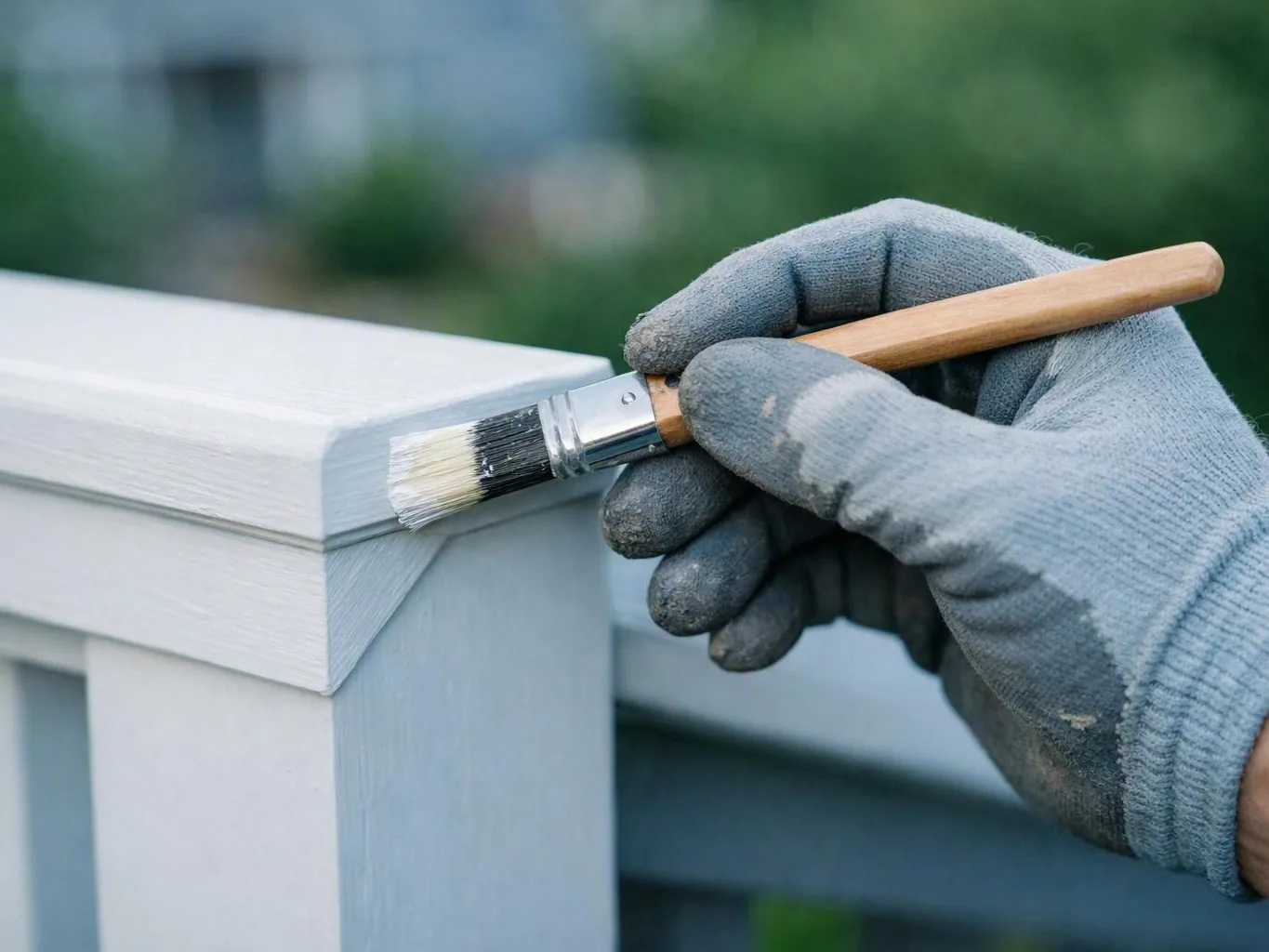
Commercial Roof Coating or Replacement: How to Compare the Options
Commercial roof coating suits a sound roof that needs protection and renewed performance, while replacement suits a roof with widespread damage or failed structure. At PainterRedmondwa.com, we assess the existing roof, explain the trade-offs, and provide a project-specific recommendation.
Get a Free EstimateWhat’s the Difference Between Commercial Roof Coating and Replacement?
Commercial roof coating adds a protective layer to a suitable existing roof. The coating works over a prepared roof membrane and can support roof renewal when the system remains stable.
Commercial roof replacement removes the existing roof system and rebuilds the roof assembly. Replacement can address the roof deck, insulation, flashing, and other parts that coating cannot restore.
The building owner’s choice depends on roof condition, moisture damage, building use, and long-term capital planning. We inspect the existing roof system before recommending either option.
Commercial Roof Coating vs Replacement at a Glance
Commercial roof coating usually creates less disruption when the existing roof remains sound. Commercial roof replacement addresses deeper system failure and structural concerns.
Both options need proper planning, skilled installation, and a roof maintenance plan. The right choice comes from the roof’s actual condition, not from the coating or replacement label alone.
| Factor | Commercial Roof Coating | Commercial Roof Replacement |
|---|---|---|
| Cost drivers | Usually lower when repairs and preparation are limited. | Usually higher because removal, rebuilding, and system repairs may be needed. |
| Project timeline | Often involves less work and less building disruption. | Usually involves more phases, including removal and reconstruction. |
| Roof maintenance | Needs inspections, leak repair, and coating upkeep. | Needs inspections and maintenance for the new roof system. |
| Roof condition | Best for a stable, repairable roof with sound adhesion. | Best for widespread damage, failed membranes, or structural concerns. |
| Building use | Useful when lower business disruption matters. | Useful when long-term rebuilding supports the building’s needs. |
When Is Commercial Roof Coating the Better Choice?
Commercial roof coating is suitable when the existing roof is stable, repairable, and able to support proper preparation and adhesion.
We check the roof substrate before planning any coating work. We look for active roof leaks, ponding water, damaged seams, weak flashing, and areas that need repair.
Surface preparation removes dirt, loose material, and other conditions that can prevent coating adhesion. We also address leak repair and moisture concerns before applying a coating system.
A commercial cool-roof coating application may help protect a viable roof while supporting the building’s maintenance plan. The coating choice still depends on the membrane condition and the roof’s ability to accept the material.
Advantages of Commercial Roof Coating
Commercial roof coating offers practical benefits when the existing roof can be restored. We connect each benefit to the roof’s condition and the building’s daily use.
Best for: commercial buildings with a stable roof membrane, manageable repairs, and reliable coating adhesion.
When Does Commercial Roof Replacement Make More Sense?
Commercial roof replacement makes more sense when damage is widespread, the roof deck is compromised, or the existing system cannot support a reliable coating.
We look for water damage, structural deterioration, membrane failure, wet insulation, and drainage problems. These conditions can remain below the surface even when the top layer looks repairable.
Replacement can open the roof assembly for inspection and repair. The new system may include roof deck work, new insulation, flashing replacement, and drainage correction.
Advantages of Commercial Roof Replacement
Commercial roof replacement provides a fresh roof system when restoration cannot offer dependable performance. We plan the work around the roof assembly and the building’s long-term needs.
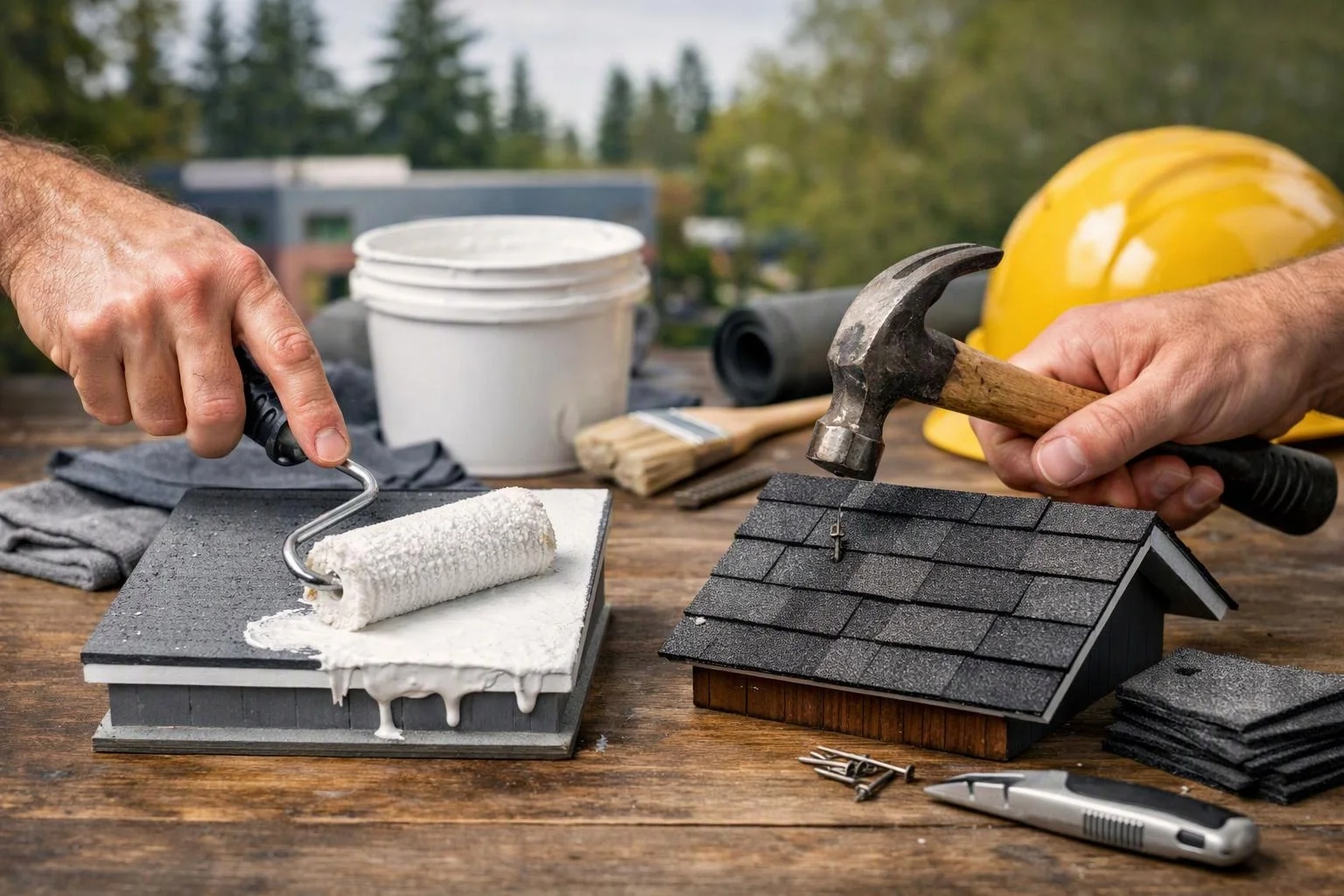
Best for: commercial buildings with widespread damage, unstable materials, or an existing system that cannot be restored with confidence.
What Conditions Make a Roof Unsuitable for Coating?
A roof is unsuitable for coating when its substrate is unstable, moisture is trapped below the surface, or damage prevents dependable adhesion.
Severe ponding water can undermine a coating system if drainage problems remain unresolved. Widespread leaks may also show that the roof needs more than surface protection.
Wet insulation, a loose membrane, extensive damage, and poor adhesion are warning signs. We investigate these conditions before deciding whether roof restoration is reliable.
What We Assess Before Recommending Coating or Replacement
We assess the roof system, moisture conditions, drainage, surface integrity, and repair needs before recommending either option.
What Changes the Cost of Each Roofing Option?
The cost depends on roof size, access, existing damage, preparation, materials, repairs, and whether the roof deck needs work. PainterRedmondwa.com provides Free Estimates Available after reviewing the project.
Coating costs are shaped by surface preparation, membrane type, repairs, flashing, drainage, and the selected coating system. Replacement costs also include removal, roof deck condition, insulation, new materials, and rebuilding needs.
Roof access and building use can affect planning and business disruption. Our estimate explains the work included so the recommendation matches the roof’s condition.
How to Choose the Right Option for Your Commercial Roof
Choose coating when the roof can be restored and protected, and choose replacement when underlying failure makes restoration unreliable.
Start with a roof inspection that reviews the full roof assembly. Ask what repairs, preparation, drainage work, and maintenance the recommendation includes.
Consider building use, occupancy, business disruption, and capital planning. A condition-first decision helps prevent surface work from covering a deeper roof problem.
Questions About Commercial Roof Coating and Replacement
Can a commercial roof coating be applied over an existing roof?
Yes, commercial roof coating can be applied over an existing roof when the roof substrate is stable, clean, repairable, and suitable for coating adhesion. We inspect the membrane, seams, flashing, moisture conditions, and drainage before recommending the work.
Can roof coating fix an active commercial roof leak?
No, roof coating should not cover an active commercial roof leak without finding and repairing the source first. We inspect the leak area, related seams, flashing, penetrations, and moisture conditions before planning surface preparation.
Does roof coating work on every commercial roofing material?
No, roof coating does not work on every commercial roofing material without proper evaluation. Membrane type, surface condition, repairs, moisture, and coating adhesion determine whether the system is suitable.
What happens if moisture is trapped under a roof coating?
Trapped moisture can weaken adhesion and hide damage below the coating. We investigate moisture intrusion and wet insulation before coating, because concealed water may require repair or replacement.
How should a commercial roof be prepared before coating?
Commercial roof preparation should include inspection, leak repair, cleaning, surface repairs, flashing review, drainage checks, and adhesion evaluation. Our crew completes the preparation needed for the selected coating system and roof condition.