How do you prepare a remodeling project before painting for Contractor?
Surface protection comes first, followed by scope review, repairs, preparation, and work sequencing.
- We discuss the remodel and inspect nearby surfaces.
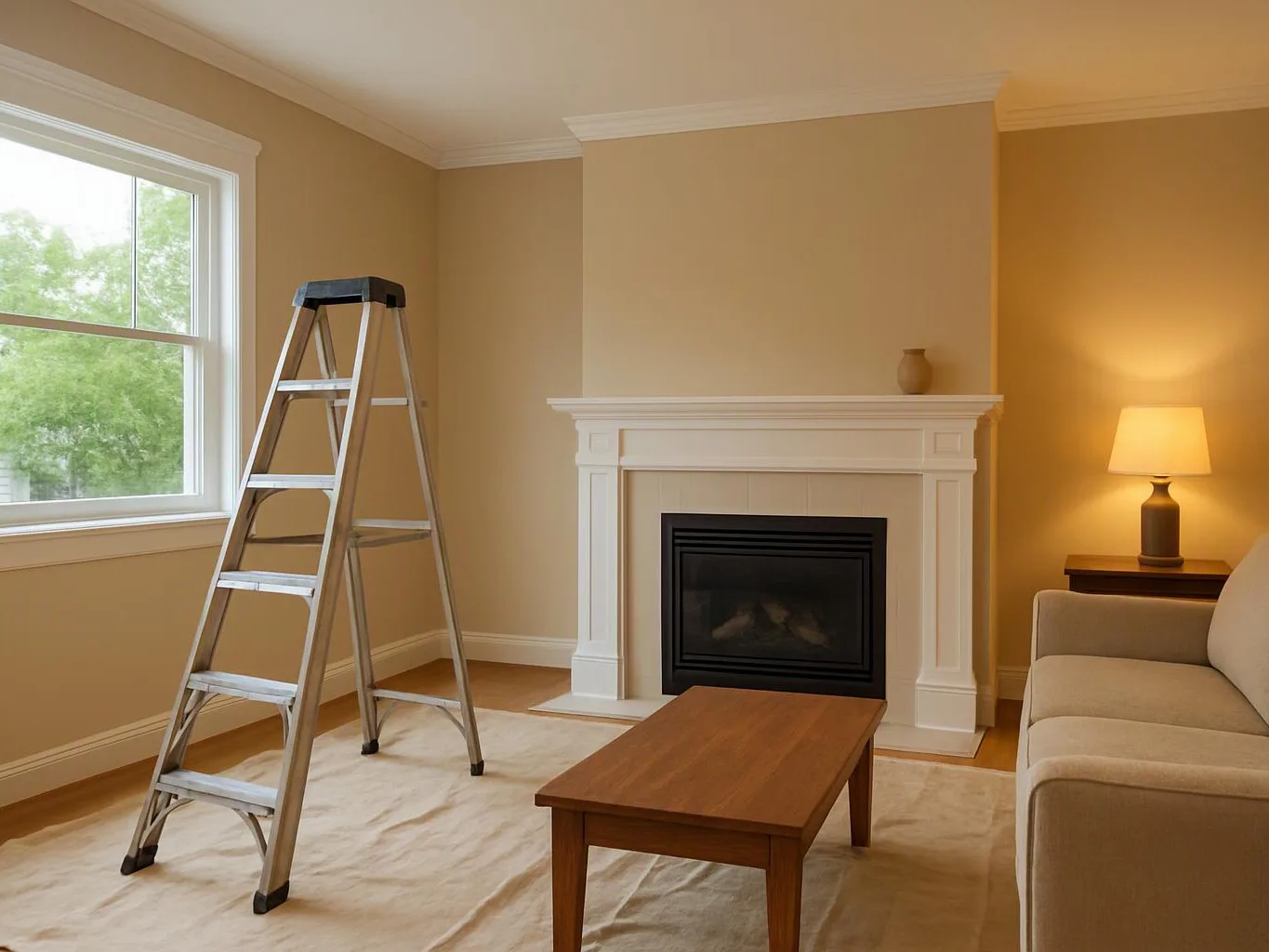
- We protect floors, fixtures, cabinets, and related work areas.
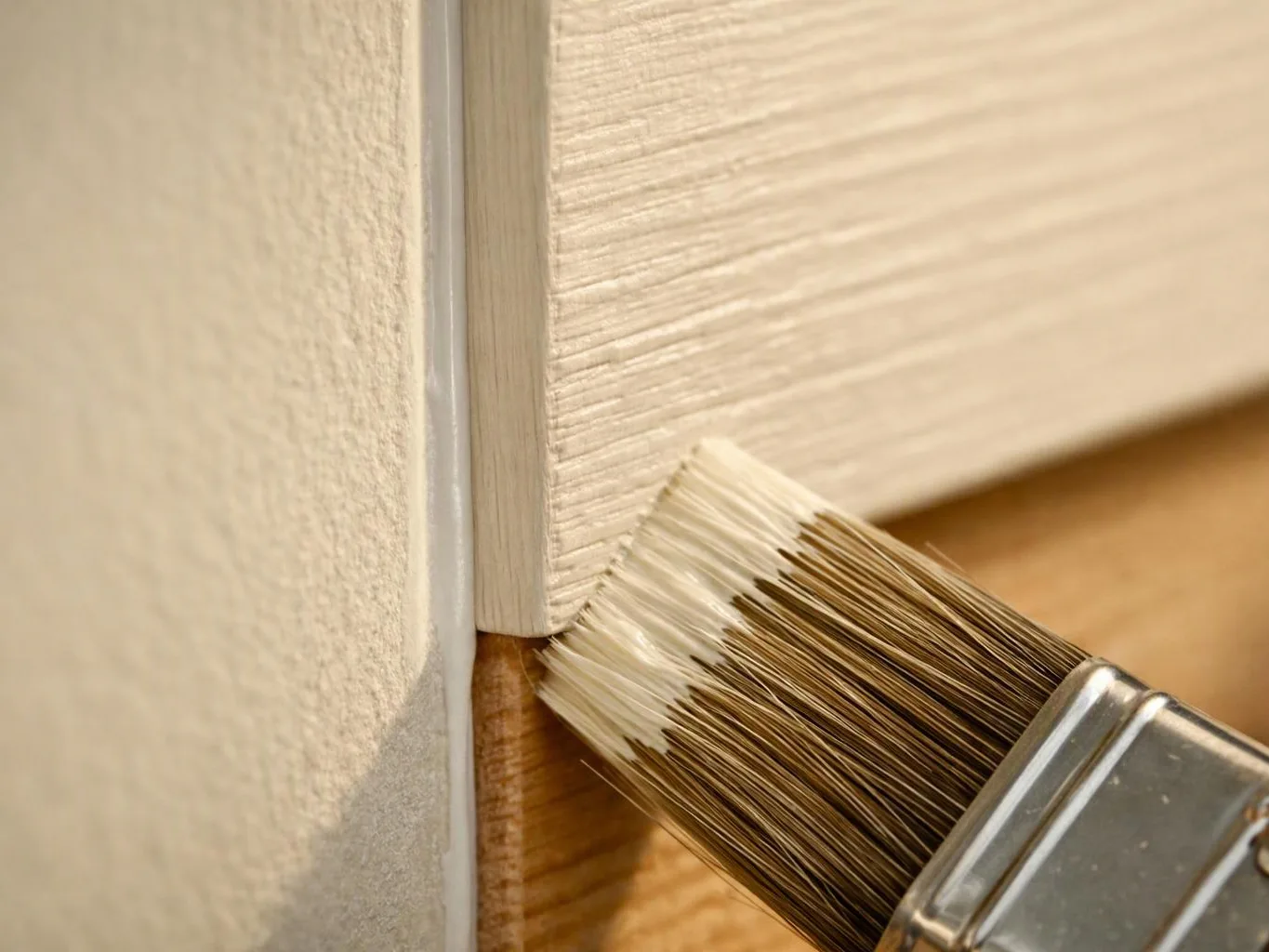
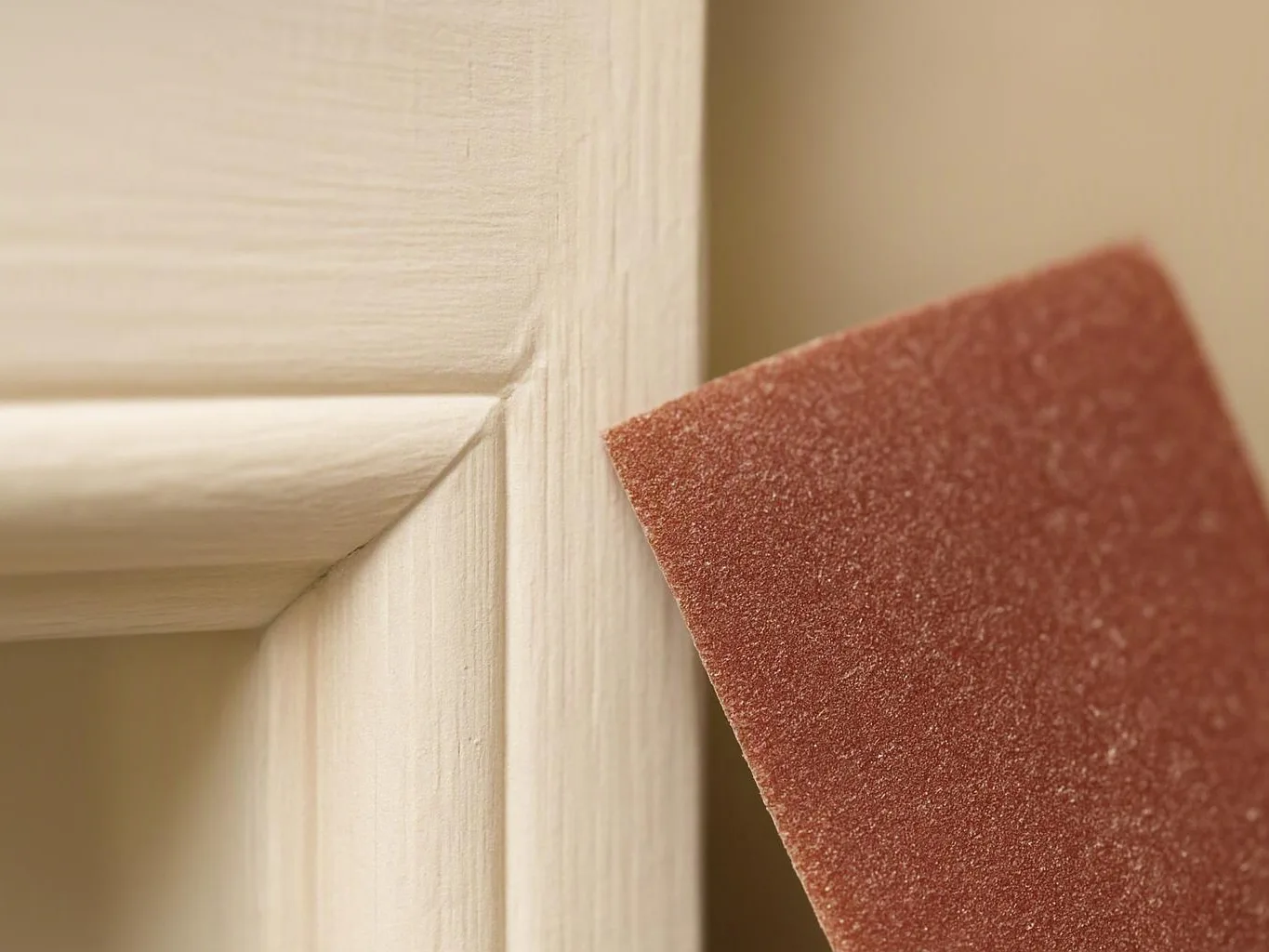
- We complete needed repairs and prepare the surface.
- We paint, clean up, and review the finished work with you.
What information helps you plan an accurate estimate?
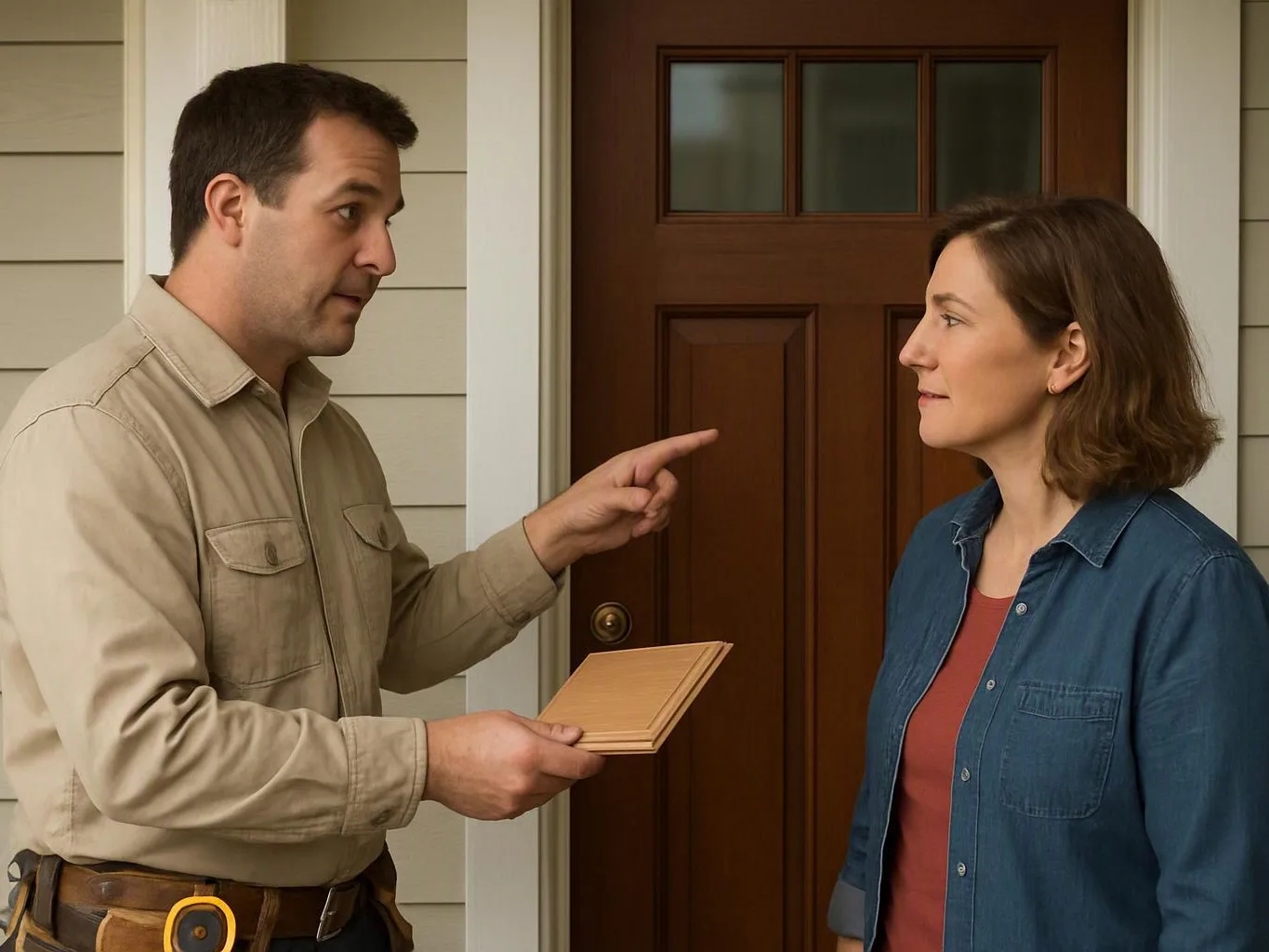
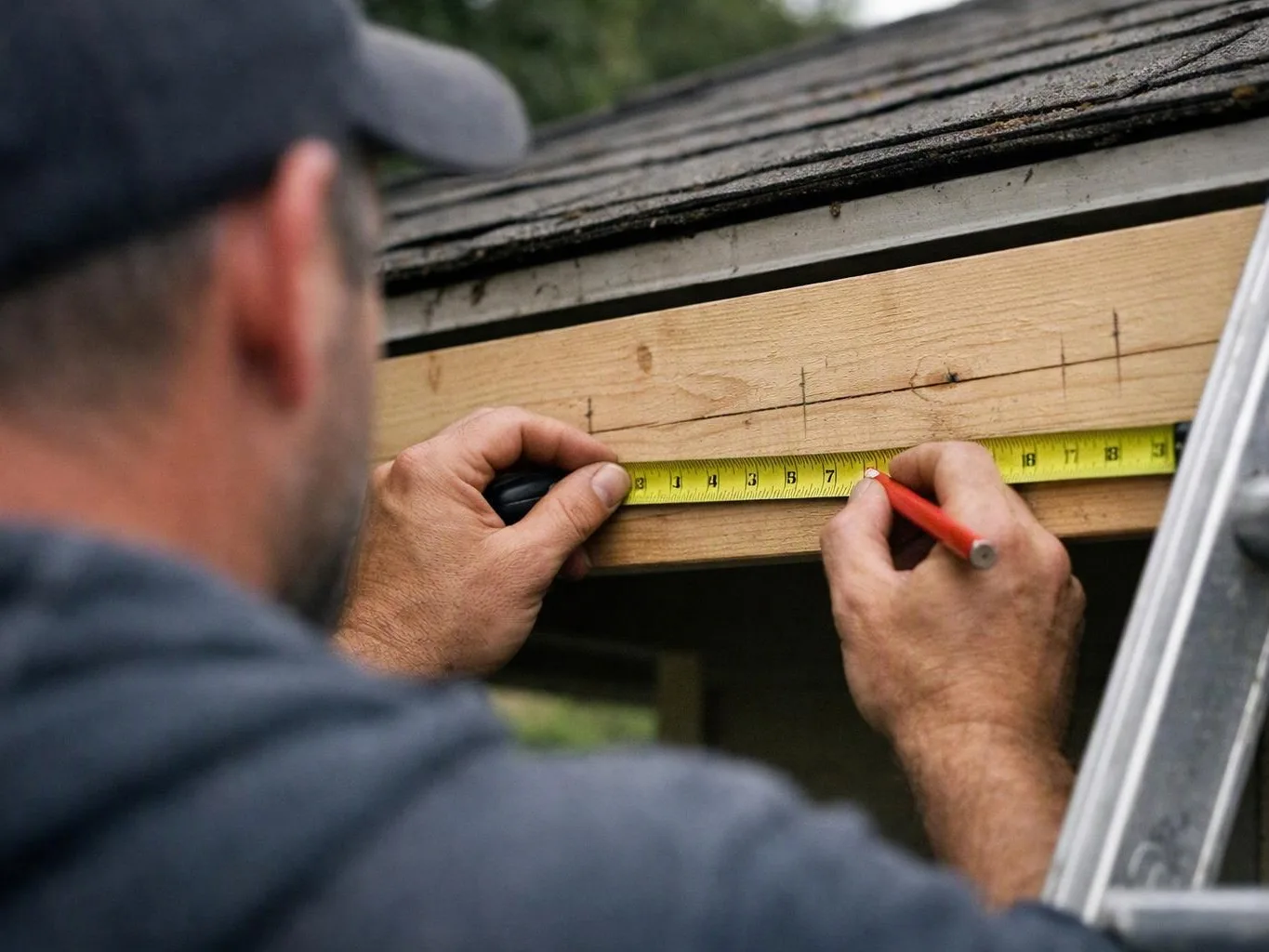
Project scope, surface condition, access, and the rooms or exterior areas involved shape the estimate. Photos can help explain the request, but an in-home meeting gives us a better view of repairs, cabinets, fixtures, and protection needs. Customers should also mention other trades, occupied rooms, and finish goals before the plan is set.
Which surfaces need repair before new paint?
Walls, trim, cabinets, doors, and exterior surfaces need repair when damage or poor preparation could affect the finish. We check for holes, cracks, worn coatings, damaged wood, and uneven areas during the consultation. The estimate can separate carpentry from painting so you know which work belongs in the project.
When is a painting contractor the right fit for a remodel?
A painting contractor fits a remodel that needs surface preparation, coatings, cabinets, trim, or related carpentry. Our services suit residential and commercial finish work. Structural changes, plumbing, electrical work, and major construction require the trade responsible for those tasks, so the project scope should identify those limits early.
Why does cabinet painting need a separate plan?
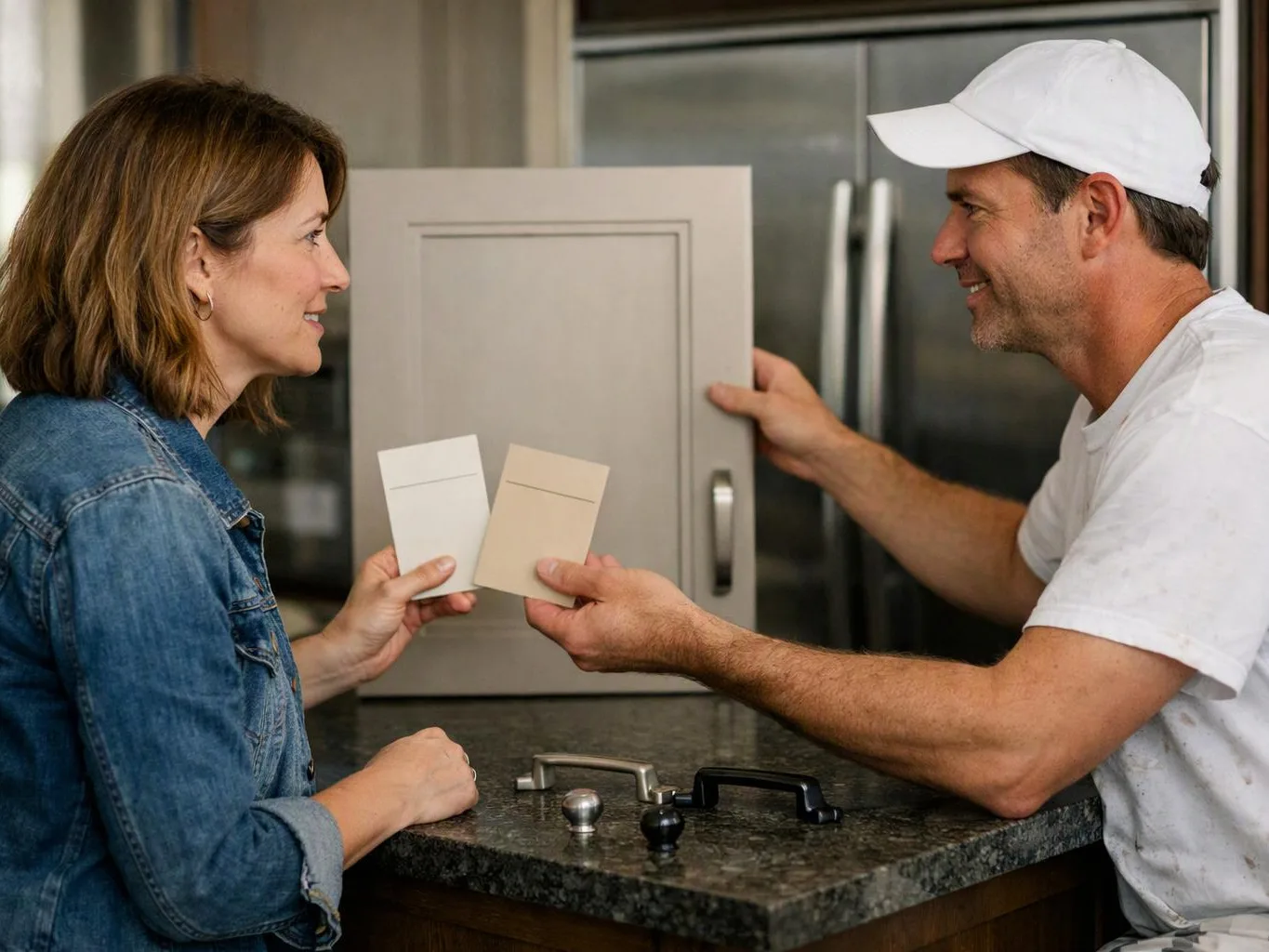
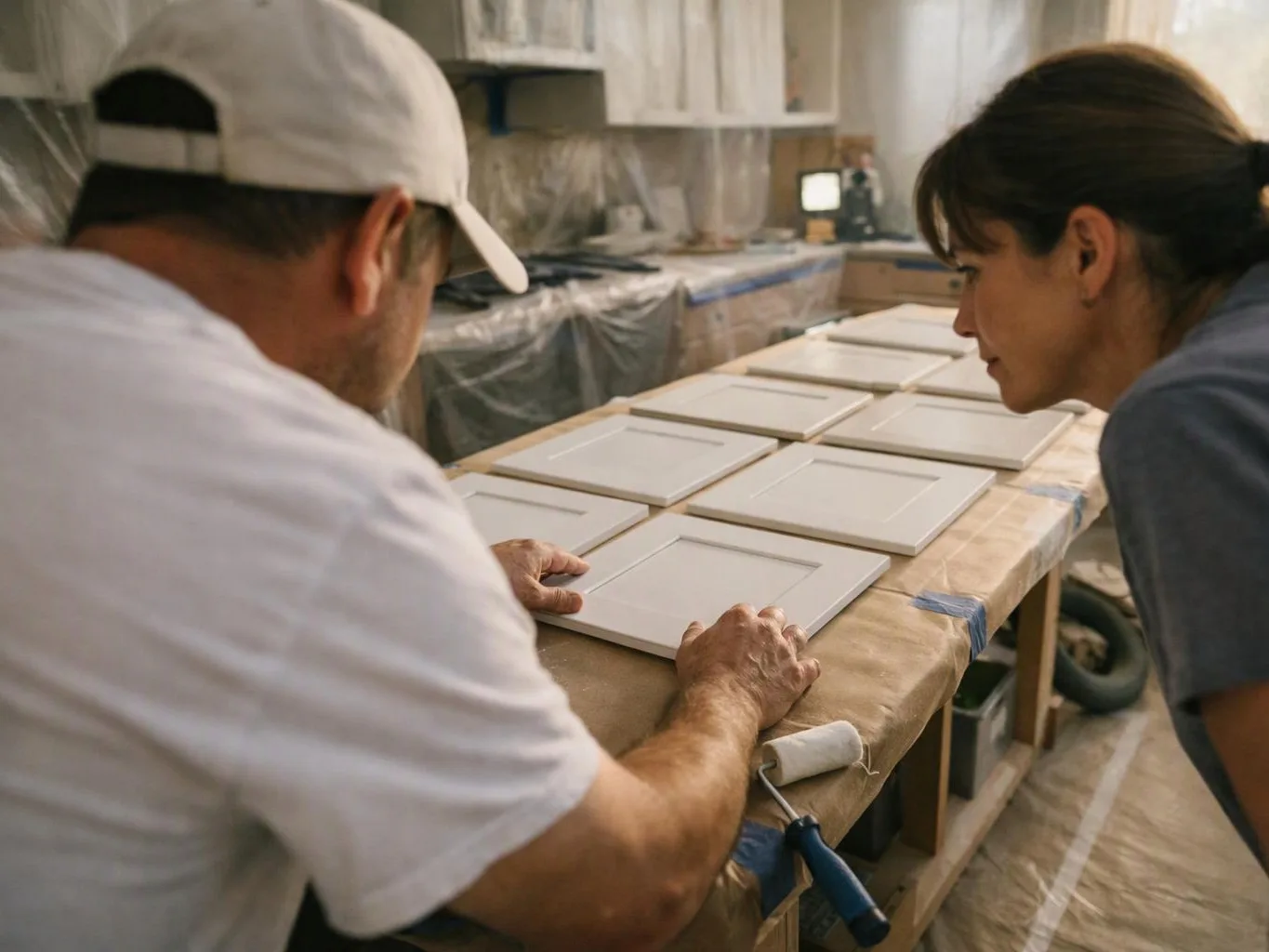
Cabinet painting needs a separate plan because doors, boxes, hardware, repairs, and access affect the preparation. We review whether painting or refacing fits the cabinets, then coordinate protection and cleanup around the remodeling area. Customers receive a scope that treats cabinet work as more than a wall-painting task.
How should commercial clients prepare access for painting?
Commercial clients should identify work zones, shared paths, fixtures, doors, and areas that must remain available. Our consultation covers those access details before the estimate and work plan are set. Clear site information helps place protection, repairs, coatings, and cleanup in the right order without promising a schedule the project has not established.
What does a final painting inspection cover?
A final painting inspection reviews the finished surfaces, repairs, cleanup, and the agreed work with the customer. A lead paint crew member walks through the completed areas and discusses any project details that need attention. This review gives both sides a shared point of reference before the work is considered complete.