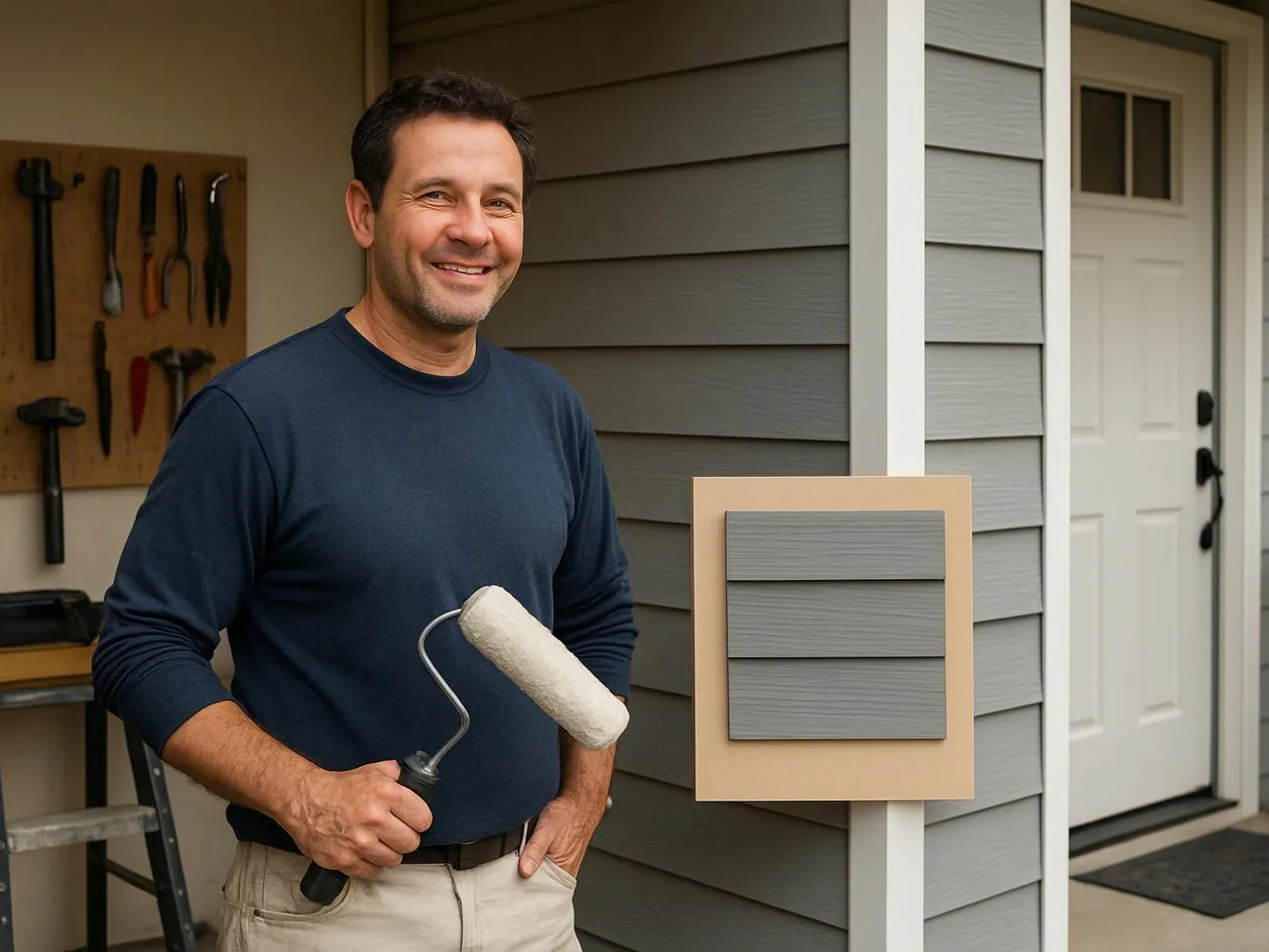
Choosing the Right Time to Repaint a Failing Exterior
The best time to repaint a house exterior is when the surface is sound, clean, dry, and weather conditions are stable. At PainterRedmondwa.com, we check the exterior and plan the work around surface condition, rain, temperature, and humidity.
Get a Free Estimate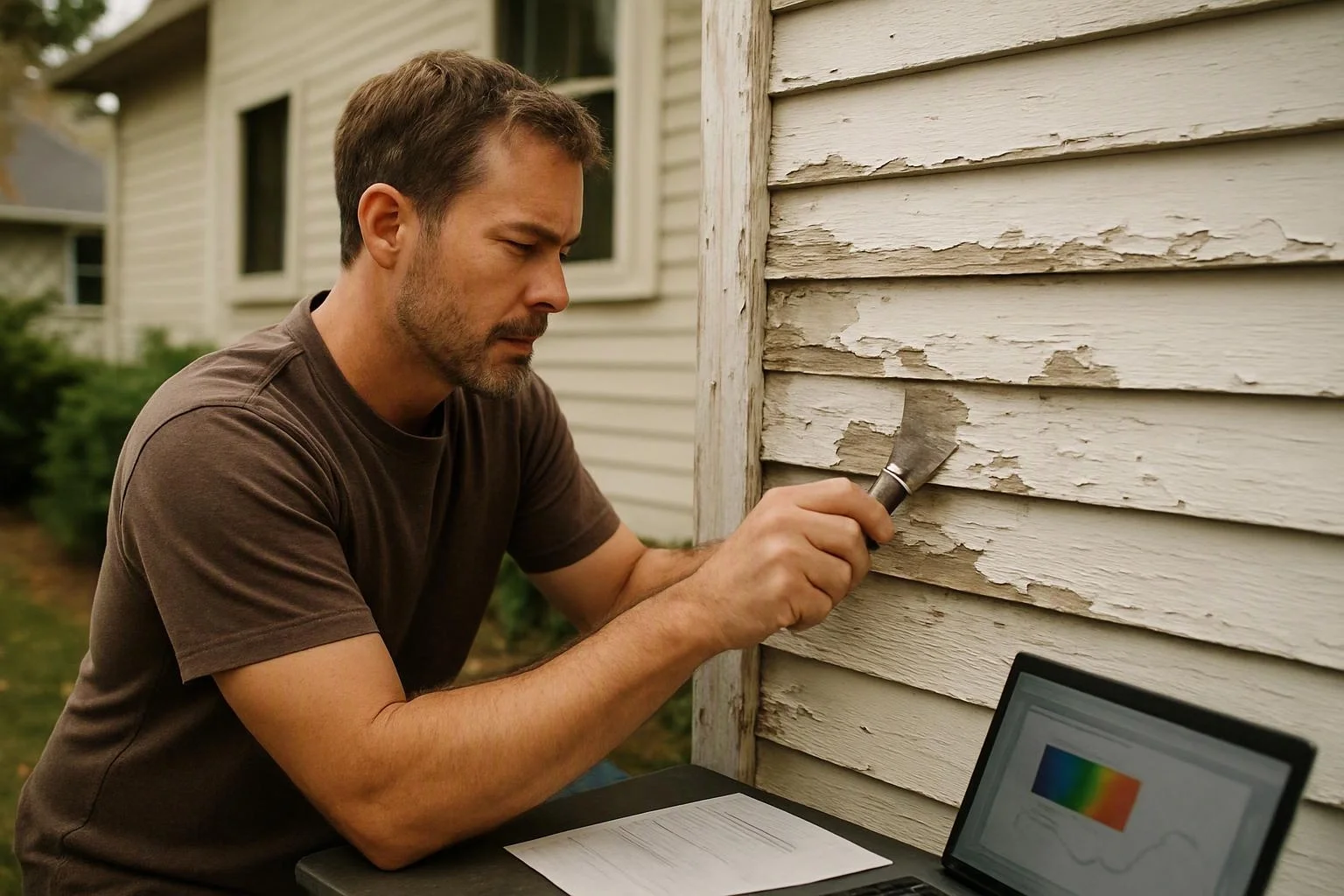
When Is the Best Time to Repaint a House Exterior?
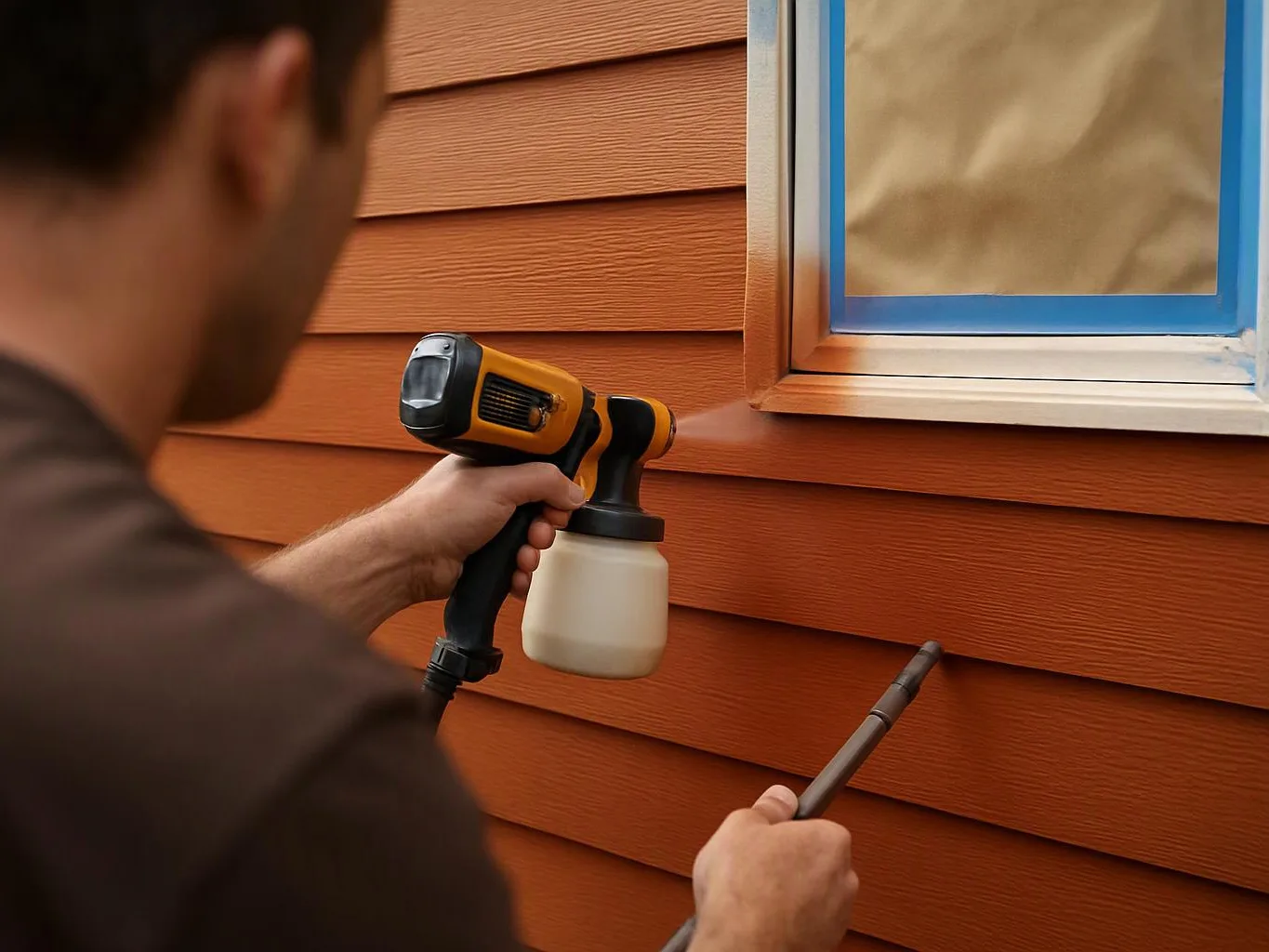
The best time to repaint a house exterior is when the surface is dry and prepared, with stable weather ahead. We assess both the failing paint and the forecast before planning exterior painting.
Exterior painting works best when the coating can bond to a clean, stable surface. We also look at siding, trim, fascia, soffits, doors, shutters, and foundation walls before setting a repainting schedule.
Seasonal timing matters, but surface condition comes first. A mild weather window won't fix wood rot, loose paint, or hidden moisture.
Our team can explain the preparation needed through our Exterior Painting service.
Signs Your Exterior Paint Needs Repainting
Failing exterior paint shows visible warning signs before the coating loses full protection. A surface inspection helps us decide whether the home needs a full repaint or focused repairs.
These signs often appear together, especially when moisture damage is spreading. We trace the cause before applying new exterior paint.
Why Exterior Paint Fails
Exterior paint fails when moisture, sunlight, preparation problems, or coating conflicts weaken the finish. We look for the source of paint failure before choosing a repair plan.
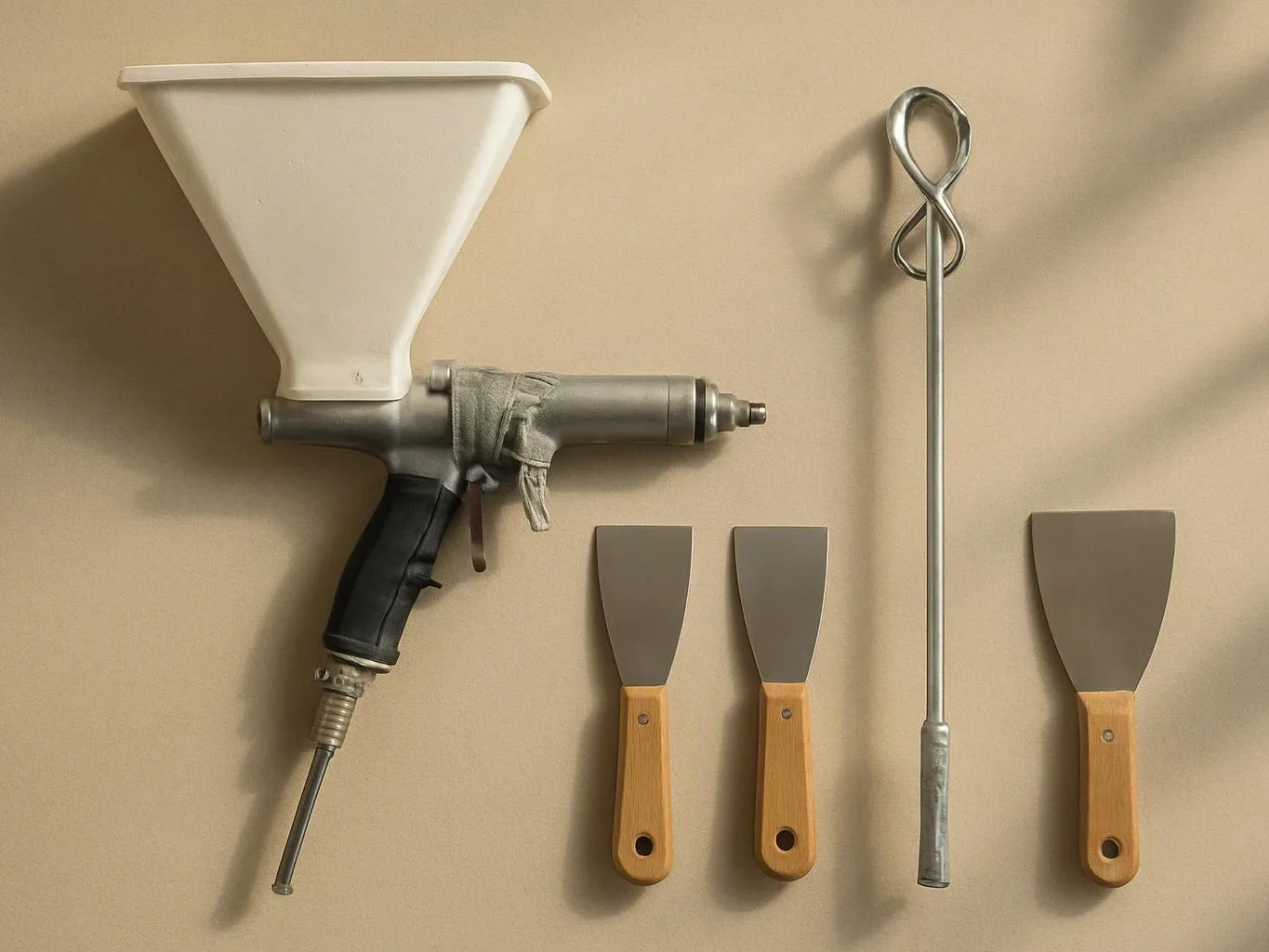
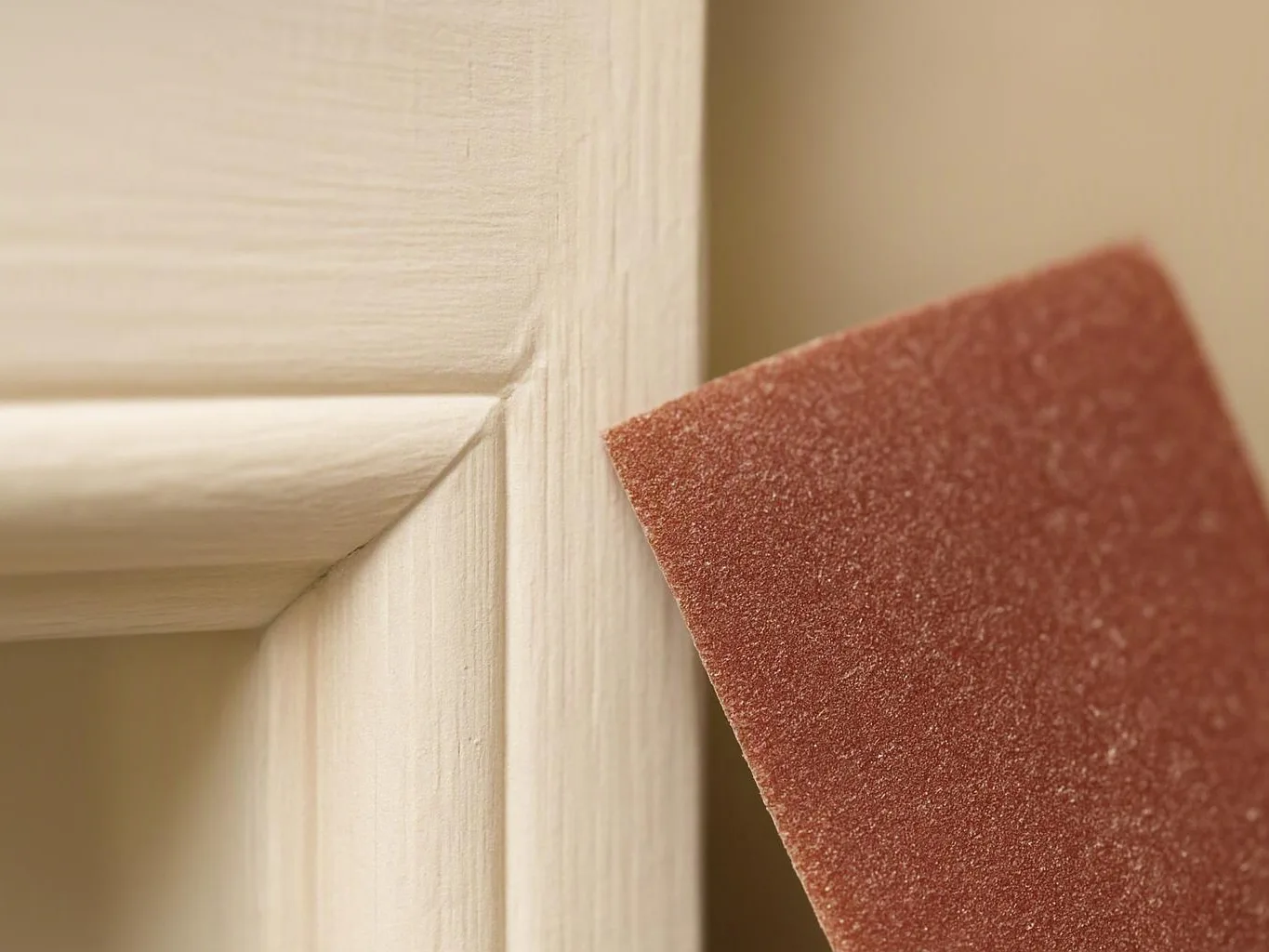
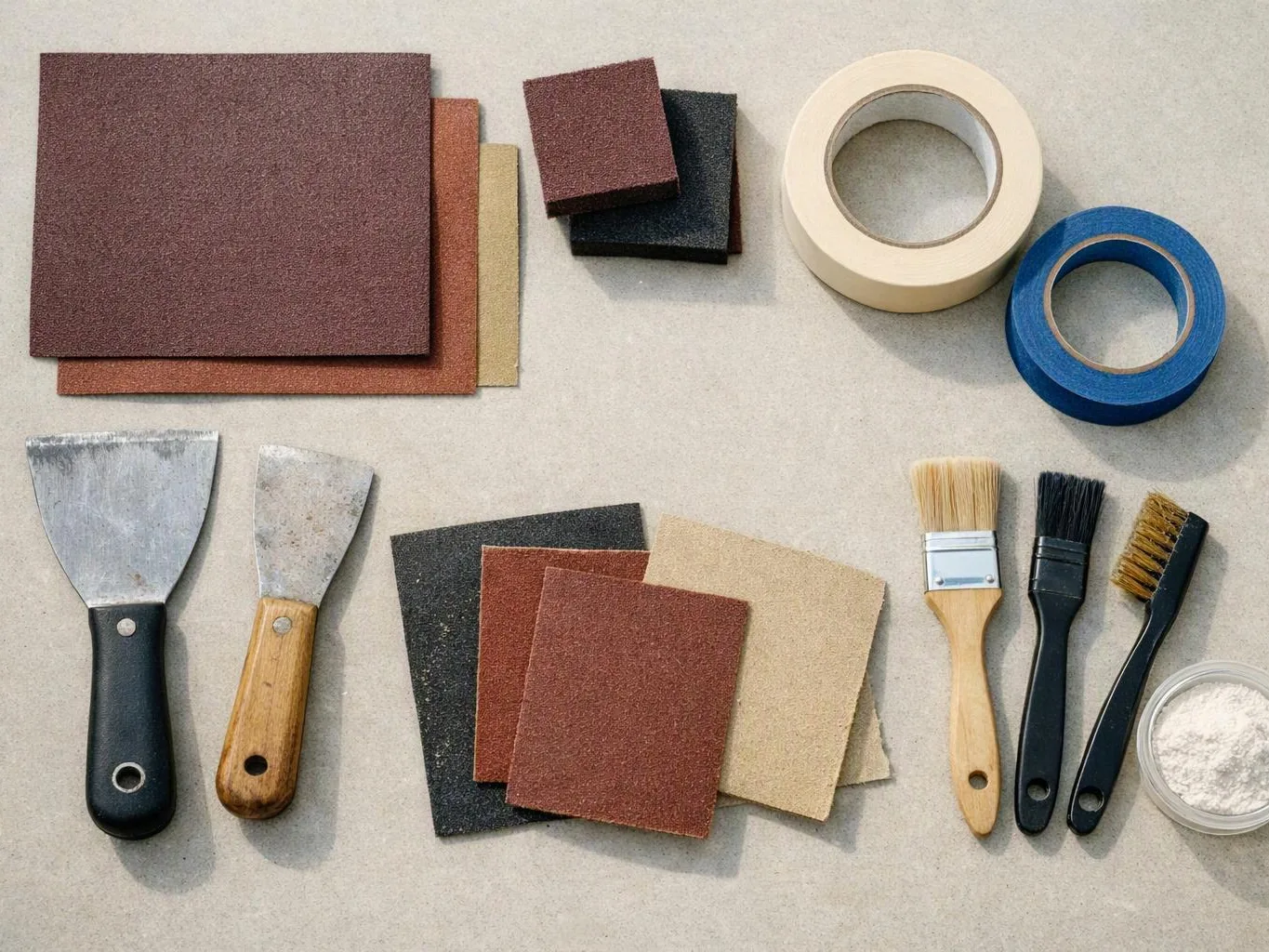
Power washing, scraping, sanding, caulking, and priming address different surface problems. Our team selects the preparation steps that match the substrate and existing coating.
How Weather Conditions Affect Exterior Painting
Weather conditions affect exterior painting by changing surface dryness, paint application, and curing. We check for rain, damp surfaces, high humidity, strong wind, and unsuitable temperatures before work begins.
Rain can wash fresh paint away or leave the surface too wet for proper bonding. Humidity slows drying, while surface moisture can stay inside siding, trim, or small cracks.
Temperature affects how smoothly paint spreads and how well it cures. Wind can carry dust onto wet paint and create uneven coverage.
Stable curing conditions help the protective coating form correctly. We plan around a reliable weather window instead of starting when conditions are changing quickly.
Does the Exterior Need to Be Dry Before Painting?
Yes, the exterior needs to be dry before painting. A dry surface helps primer and paint bond properly, while trapped moisture can lead to peeling and blistering.
Cleaning removes dirt, chalk, and loose material, but the surface still needs time to dry. We check exposed areas and problem spots before applying primer.
Proper drying supports paint adhesion and helps the new coating resist early failure. If moisture remains, our crew adjusts the work plan until the surface is ready.
How to Plan Exterior Painting Around Rain and Humidity
Exterior painting around rain and humidity requires forecast checks, dry surfaces, and enough time for the coating to cure. We use these planning steps to choose a safer repainting window.
Weather planning protects both the finish and the preparation work. Our team can revise the repainting schedule when conditions no longer support sound application.
What We Check Before Repainting a Failing Exterior
PainterRedmondwa.com checks the failing coating, exposed surfaces, moisture concerns, and preparation needs before recommending a repainting schedule. Our team then explains the work and provides Free Estimates Available.
Our paint inspection covers peeling, cracking, blistering, fading, chalking, and bare substrate. We also check the condition of siding, trim, fascia, soffits, doors, and other exterior parts.
Surface preparation may include cleaning, scraping, sanding, caulking, and priming. We match the primer and exterior paint to the substrate and existing coating so the finish has a sound base.
We also look for moisture paths and damaged wood before applying a protective coating. Repairs to the substrate may be needed when paint failure has exposed or weakened the material.
How to Prevent Exterior Paint from Failing Early
Exterior paint lasts longer when preparation, moisture control, and routine checks support the coating. Prevention starts before the first coat is applied.
Early maintenance can limit the spread of paint failure. We still inspect the underlying surface when warning signs return.
Plan Your Exterior Repainting Project
An exterior painting service should begin with a project assessment and a repainting schedule that fits the surface and weather. We review the failing finish, explain the preparation, and plan the work around suitable curing conditions.
The work plan may change when rain, humidity, wind, temperature, or hidden moisture affects readiness. A careful schedule helps protect paint durability and reduces the risk of early failure.
Request an estimate so our team can review your house exterior and explain the next steps. Contact our team about exterior repainting.
Related Resources
Fence Staining or Painting: Compare the Finishes Before You Hire
Compared ToPaint Stripping or Repainting: Which Preparation Service Does Your Project Need?
Compared ToPainting Contractor or General Contractor: Who Should You Hire?
When You Need ItSigns Your Home’s Exterior Paint Needs Attention