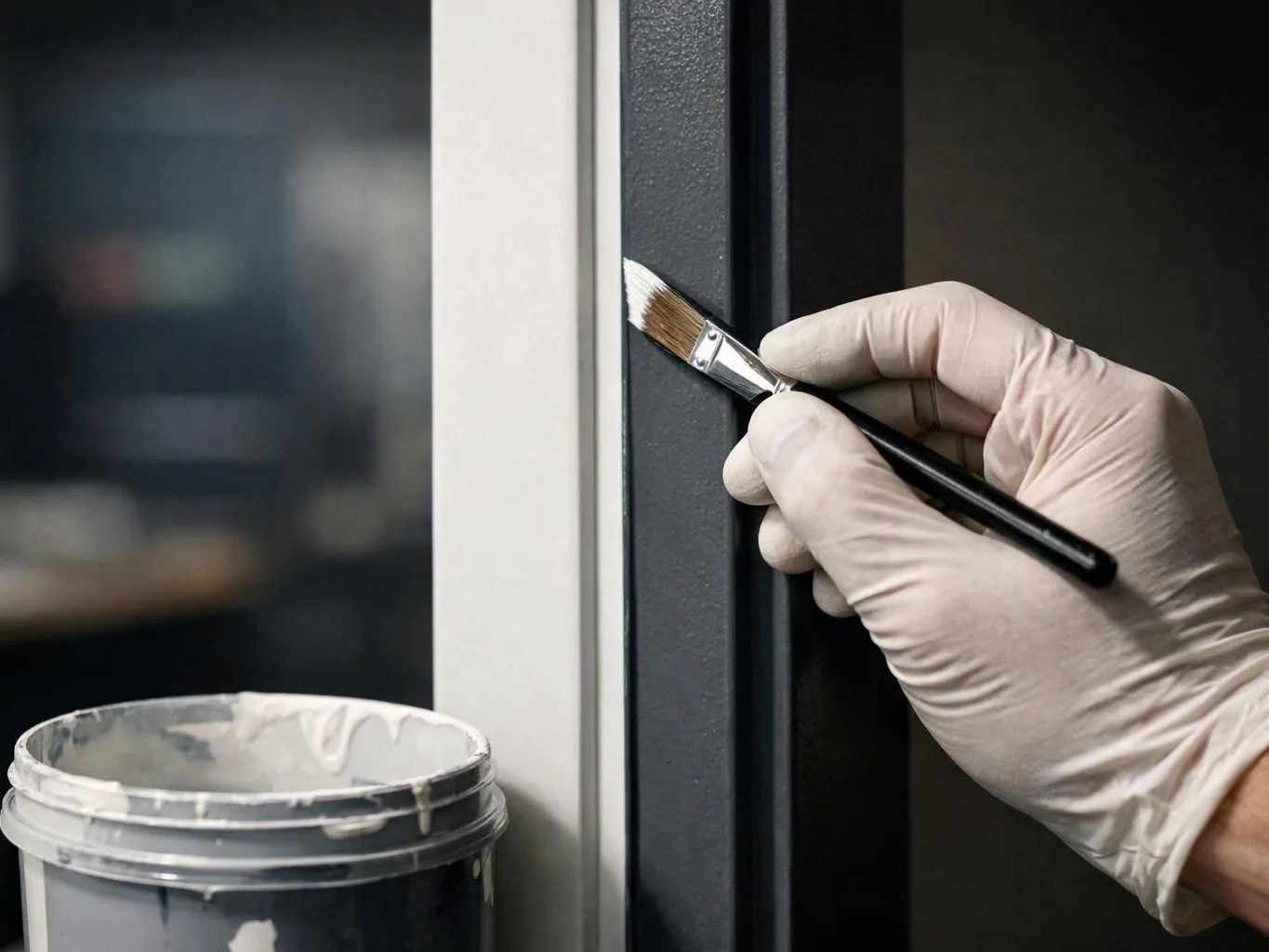
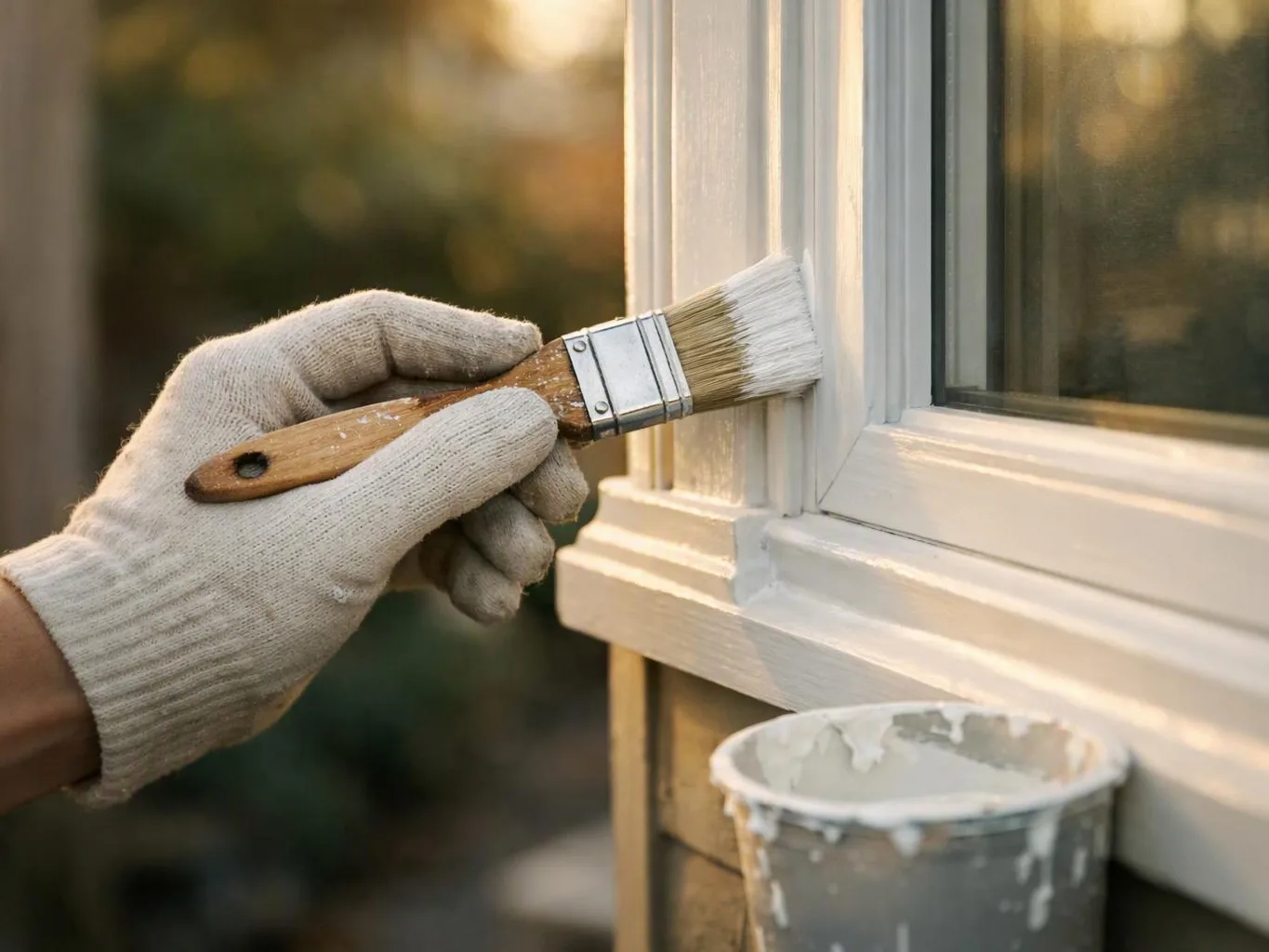
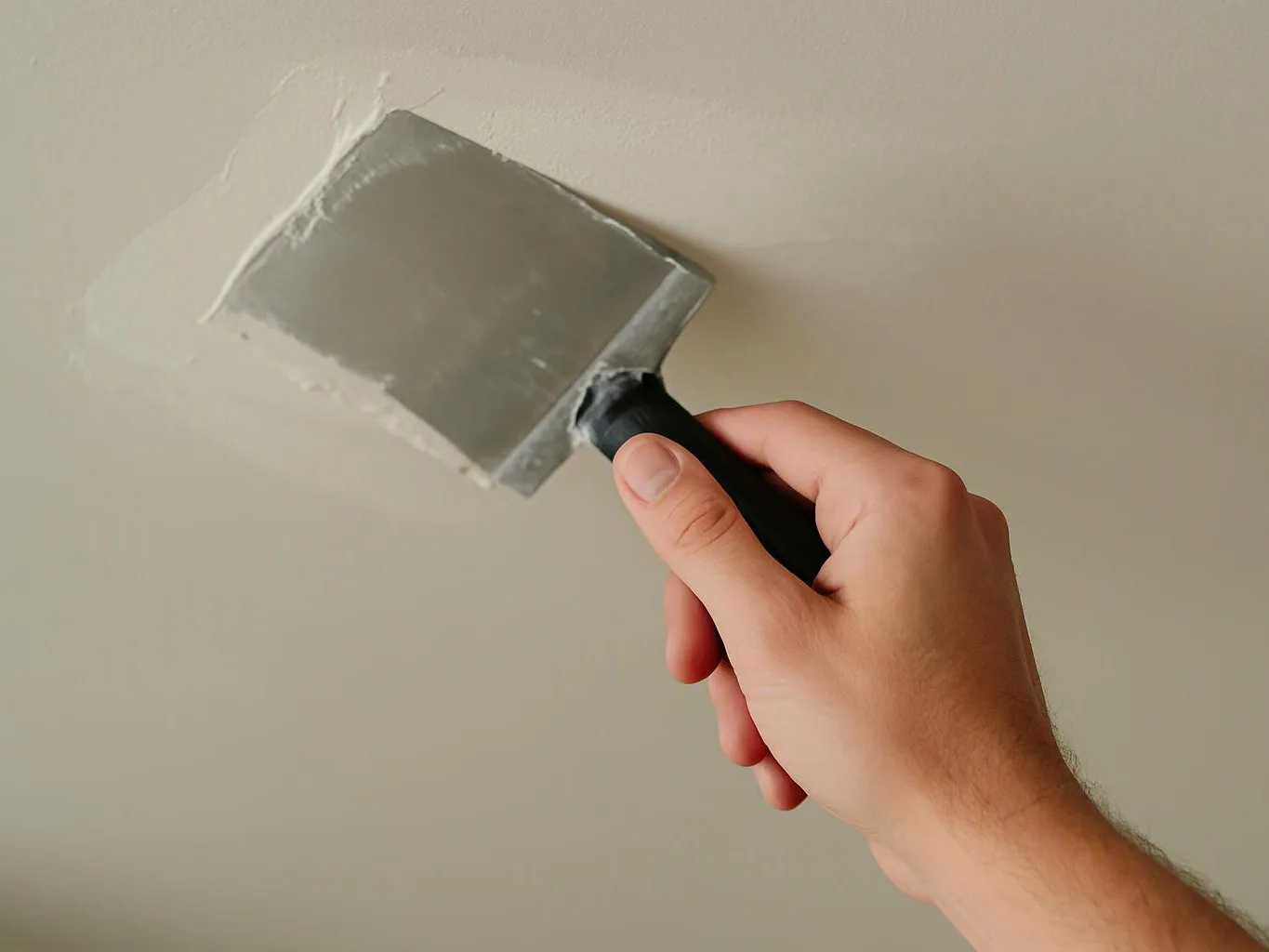
Commercial Painting for Occupied Buildings
Commercial painting can be completed while buildings stay occupied when the work is phased, separated, ventilated, and clearly scheduled. PainterRedmondwa.com plans access, coating selection, and daily cleanup around the building’s occupants.
Get a Free EstimateCan Commercial Painting Be Done While a Building Is Occupied?
Commercial painting can be done in an occupied building when work zones, access routes, ventilation, and schedules are planned around occupants. At PainterRedmondwa.com, we coordinate the work with building managers and building occupants before our crew starts.
We separate active areas from occupied spaces and keep routes clear. Our plan can cover interior painting, exterior painting, or both, depending on the building’s needs.
Owners can learn more about our Commercial Painting service before planning an occupied commercial building project.
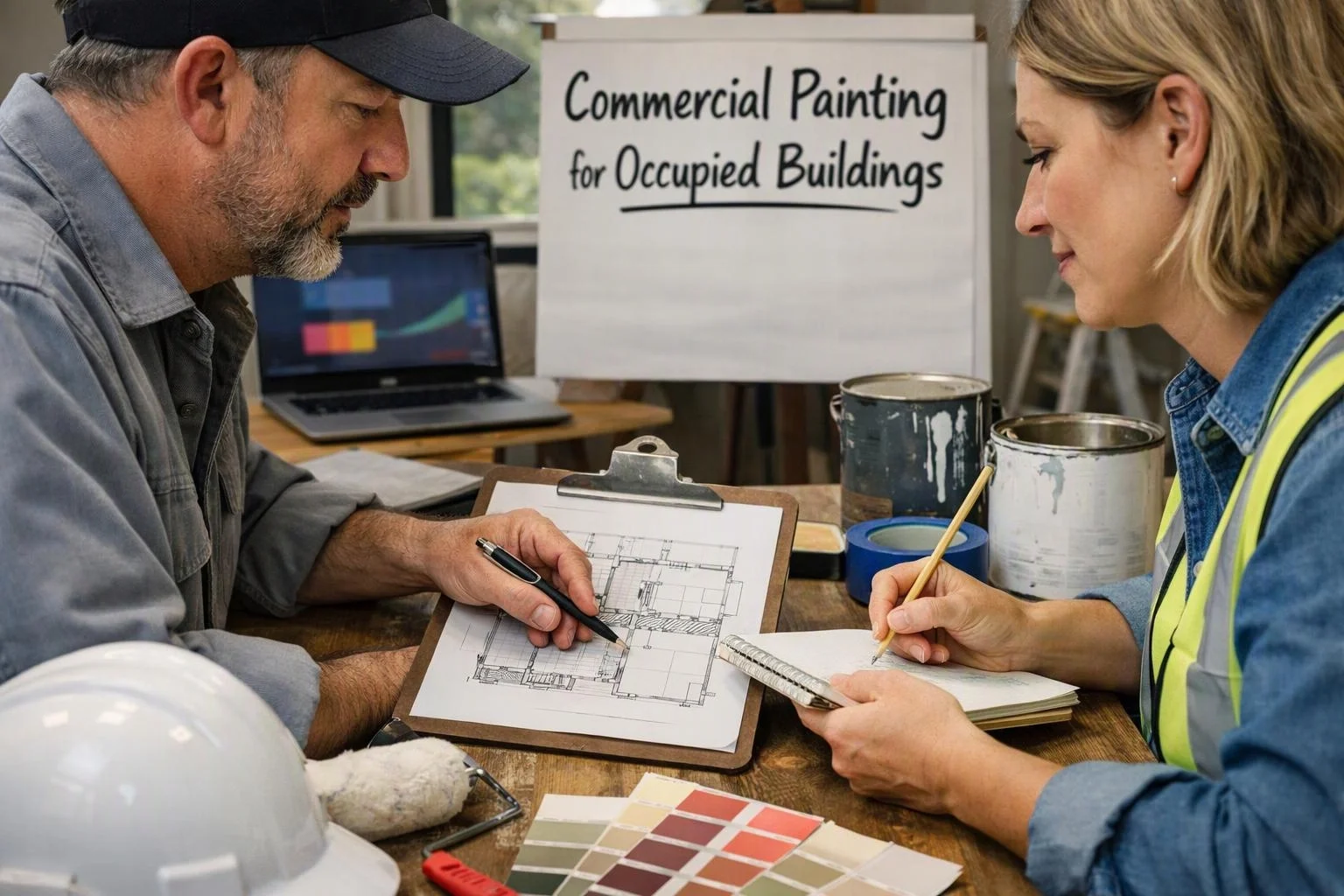
Why Occupied Buildings Need a Different Painting Plan
Occupied buildings need a painting plan that protects daily operations and occupant comfort. Our team connects the work plan with the building’s normal activity.
These factors shape the plan:
How Occupied Buildings Differ From Other Commercial Projects
Occupied buildings require more access planning than vacant commercial buildings. The right approach depends on who uses the space and how sensitive the activities are.
The comparison below shows how painting needs can change by building type.
| What is being compared | Occupied Buildings | Other Commercial Customers |
|---|---|---|
| Access planning | Occupied office buildings need routes that keep employees and visitors moving safely. | Vacant commercial buildings usually allow broader access during the project. |
| Customer contact | Retail spaces need a plan that protects shoppers and customer-facing areas. | Nonpublic facilities may need fewer occupant notices. |
| Sensitivity | Healthcare facilities and schools may need careful odor, dust, and airflow controls. | Industrial buildings may focus more on equipment, production areas, and site hazards. |
| Scheduling | Occupied spaces often need phased work or after-hours scheduling. | Vacant commercial buildings may allow a more open work schedule. |
| Cleanup | Daily cleanup helps keep shared corridors and active rooms usable. | Other projects may have fewer daily access concerns. |
What We Check Before Painting an Occupied Building
Our team checks building access, surface condition, occupancy patterns, airflow, existing coatings, and site hazards before work begins. These details help us build a safe and workable commercial painting project.
We review entrances, shared corridors, elevators, stairways, and restricted areas. We also look for peeling coatings, moisture concerns, damaged surfaces, and conditions that could affect adhesion.
Airflow matters when paint fumes or dust could reach occupied rooms. We use the site review to plan ventilation, dust control, protective masking, and daily access.
How We Minimize Business Disruption During Painting
Our team minimizes business disruption by dividing the project into controlled phases. Each phase has defined access rules, protection needs, and cleanup expectations.
We adjust the plan when building operations change. Clear communication helps occupants understand where work is happening and how nearby areas remain accessible.
Which Paint Products Work Well in Occupied Commercial Spaces?
Low-VOC coatings can help reduce odors and improve comfort, but product selection must also match the surface, traffic level, ventilation, and required finish.
Commercial paint may include water-based coatings for suitable interior or exterior surfaces. These products can support odor control, but drying conditions still matter.
Our team checks the existing coating, surface preparation needs, expected traffic, and desired durability before selecting a coating system. We also consider air circulation and how the space will be used during drying.
Key Features That Matter to Occupied-Building Owners
Occupied-building owners need finishes that look good and support normal operations. Our team connects product choices with access, maintenance, and occupant comfort.
Important features include:
Common Challenges During Commercial Painting
Occupied commercial painting can face access limits and changing business activity. Our team plans for these conditions before they interfere with the work.
Common challenges include:
How We Build the Painting Plan and Quote
PainterRedmondwa.com builds the quote around the building’s surfaces, access needs, occupancy plan, preparation work, coating choices, and project phases; free estimates are available.
Our site assessment identifies the scope of work and the conditions that can affect labor, materials, protection, and scheduling. We explain the preparation steps and coating system included in the plan.
We also describe work phases, restricted areas, cleanup expectations, and communication needs. Building owners can request a project estimate so our team can review the building directly.
When Commercial Cool-Roof Coating Fits an Occupied Building
Commercial cool-roof coating application can fit an occupied facility when roof access and building operations are planned together. A reflective coating may be considered when the roof surface and project goals support that system.
Our team reviews roof access, occupied areas below, surface condition, drainage, and weather exposure. We also plan how workers and materials will move without blocking important building operations.
Roof coating work still needs careful surface preparation and site controls. Building owners should use PainterRedmondwa.com for this work because roof access and coating application can create serious safety risks.
What Building Owners Should Confirm Before Work Starts
Building owners should confirm access, occupant notices, protection, ventilation, restricted areas, and final inspection before work starts. These details help keep the project aligned with building operations.
Our team reviews these points with the building’s responsible contact before the first work phase.
Questions About Painting Occupied Buildings
Are low-VOC coatings better for occupied commercial buildings?
Low-VOC coatings can be a good choice for occupied commercial buildings when the product matches the surface and drying conditions. Low-VOC does not remove the need for ventilation, access controls, and proper surface preparation.
How should occupants prepare for commercial painting?
Occupants should follow posted access instructions, clear personal items from nearby surfaces, and use assigned routes. Building managers should share the work schedule and identify sensitive rooms before painting begins.
Can commercial painting be scheduled around business hours?
Commercial painting can be scheduled around business hours when the building’s access, drying conditions, and occupancy patterns support the plan. Our team coordinates phased work and after-hours scheduling with the building’s responsible contact.
What changes the cost of painting an occupied commercial building?
The cost of painting an occupied commercial building depends on surface condition, preparation needs, coating selection, access controls, protective coverings, work phases, and cleanup requirements. Our team reviews those conditions on site and provides an estimate based on the actual scope.
What should building managers ask before commercial painting begins?
Building managers should ask how work zones, access routes, ventilation, protective coverings, daily cleanup, occupant notices, and final inspection will be handled. Managers should also confirm the coating system and the communication plan before work starts.