Repair vs Full Replacement for Painting Contractor: Cost, Lifespan & Best Fit — Redmond, Washington
Painting repair usually fits limited, sound damage, while full replacement fits widespread failure or an unstable surface. PainterRedmondwa.com checks the substrate, coating condition, and project goals before explaining the best fit and preparing a free estimate.
Get a Free EstimateQuick Picks
Painting repair suits localized damage when the existing surface remains stable. Full painting replacement suits broad coating failure or surfaces that need complete preparation.
- Painting repair: Best for small damaged areas, localized peeling, and sound surfaces.
- Full painting replacement: Best for widespread peeling, repeated failure, and unstable substrates.
Repair or Full Replacement: Which Painting Option Fits Your Project?
Painting repair fits localized damage on a stable surface, while full replacement fits broad failure or a surface that can't support new coating.
We look at surface stability before choosing the project scope. Flaking paint, cracking, blistering, and weak adhesion can point to deeper coating failure.
A repair may include surface preparation, spot repair, primer, and a finish coat. Full replacement covers a broader paint layer and aims for stronger color consistency across the surface.
Painting Repair vs Full Replacement at a Glance
Painting repair usually uses fewer materials and less preparation, while full replacement requires broader preparation but addresses deeper or widespread problems.
| Factor | Repair | Full replacement |
|---|---|---|
| Cost drivers | Less material and targeted preparation. Cost depends on damage, access, and color matching. | More material and broader preparation. Cost depends on substrate repairs, paint type, access, and coats. |
| Project timeline | Usually has a shorter project scope when damage is limited. | Usually requires more preparation and broader coating work. |
| Maintenance | Needs monitoring around repaired areas and nearby coating. | Creates a consistent coating system that supports planned maintenance. |
| Best fit | Localized damage on a stable substrate. | Widespread failure or an unstable surface. |
| Surface preparation | Focused preparation around damaged areas. | Broad preparation across the project surface. |
| Paint coating | A partial repaint or touch-up may be suitable. | A complete coating renewal supports a more uniform finish. |
When Painting Repair Is the Better Choice
Painting repair is the better choice when damage is limited and the remaining surface is sound.
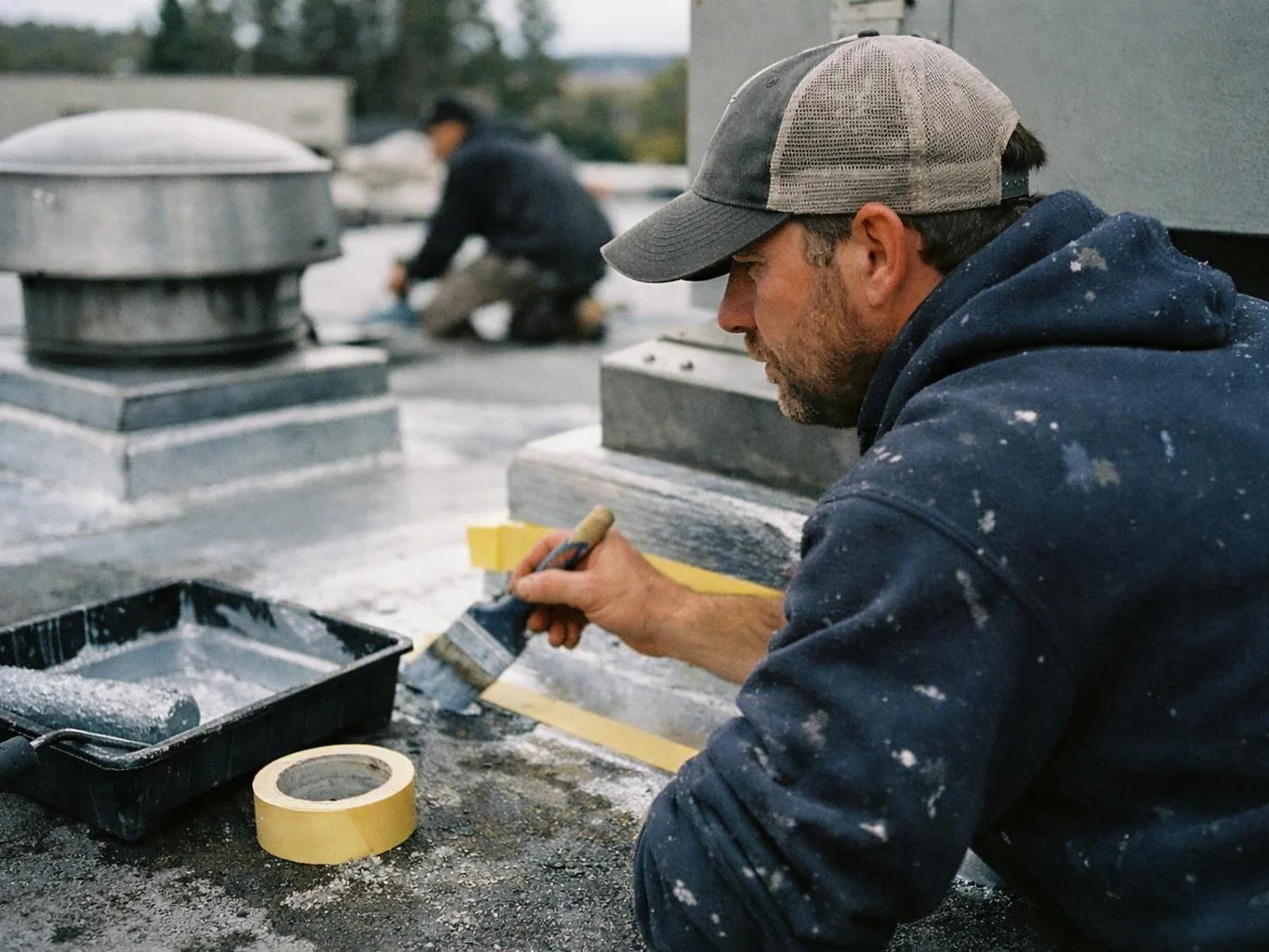
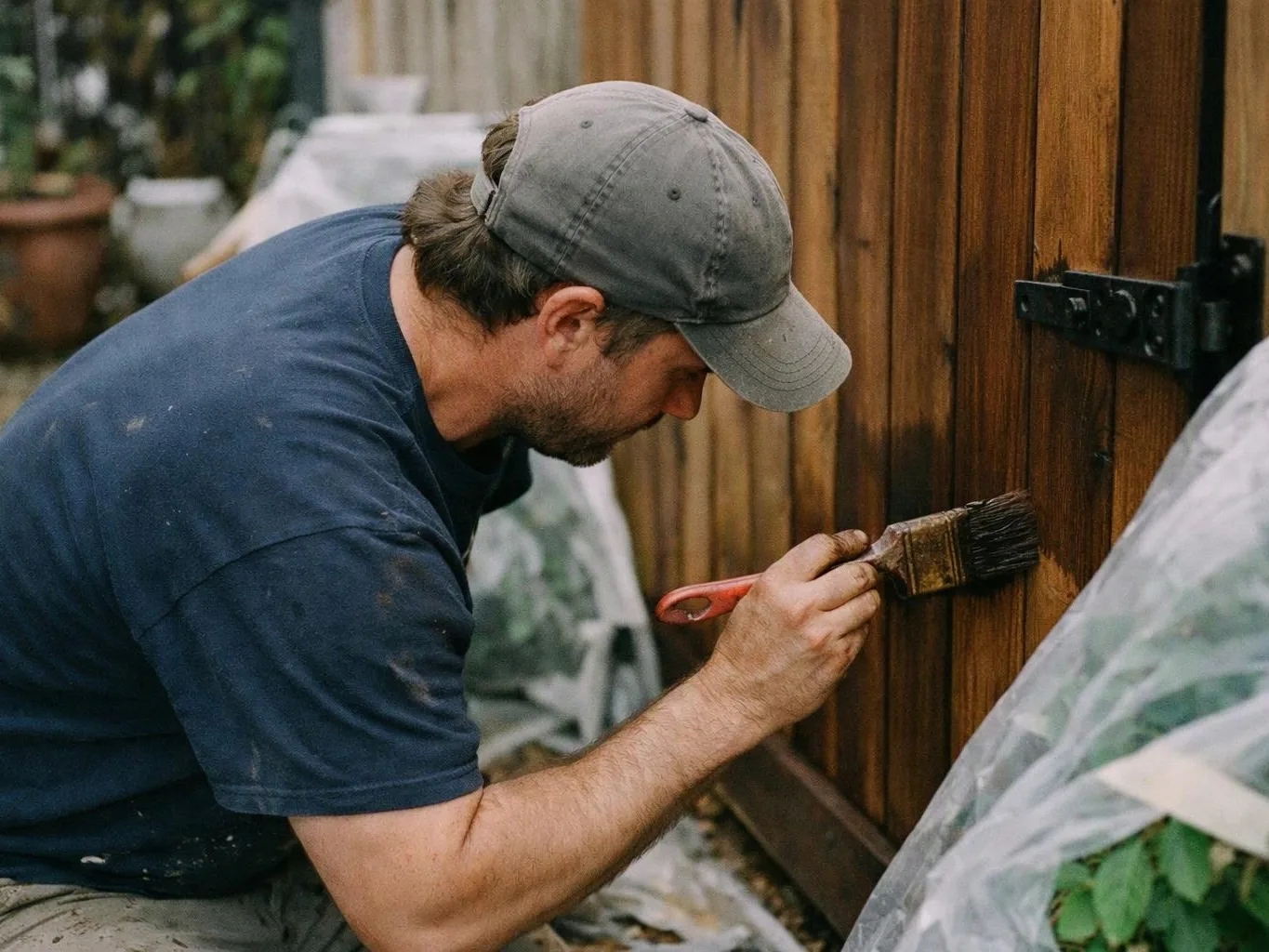
Localized peeling and small damaged areas can often receive targeted surface preparation. We remove loose coating, address the affected area, and assess whether the surrounding paint has enough adhesion.
Color matching matters during spot repair. A partial repaint can work well when the existing paint has consistent color and the damaged section blends with nearby areas.
What You Gain From Painting Repair
Painting repair keeps the project focused when the surface does not need complete coating removal.
Best for: painting repair fits a stable surface with isolated coating problems.
When Full Painting Replacement Makes More Sense
Full painting replacement makes more sense when coating failure is widespread or the existing surface isn't stable enough for a lasting repair.
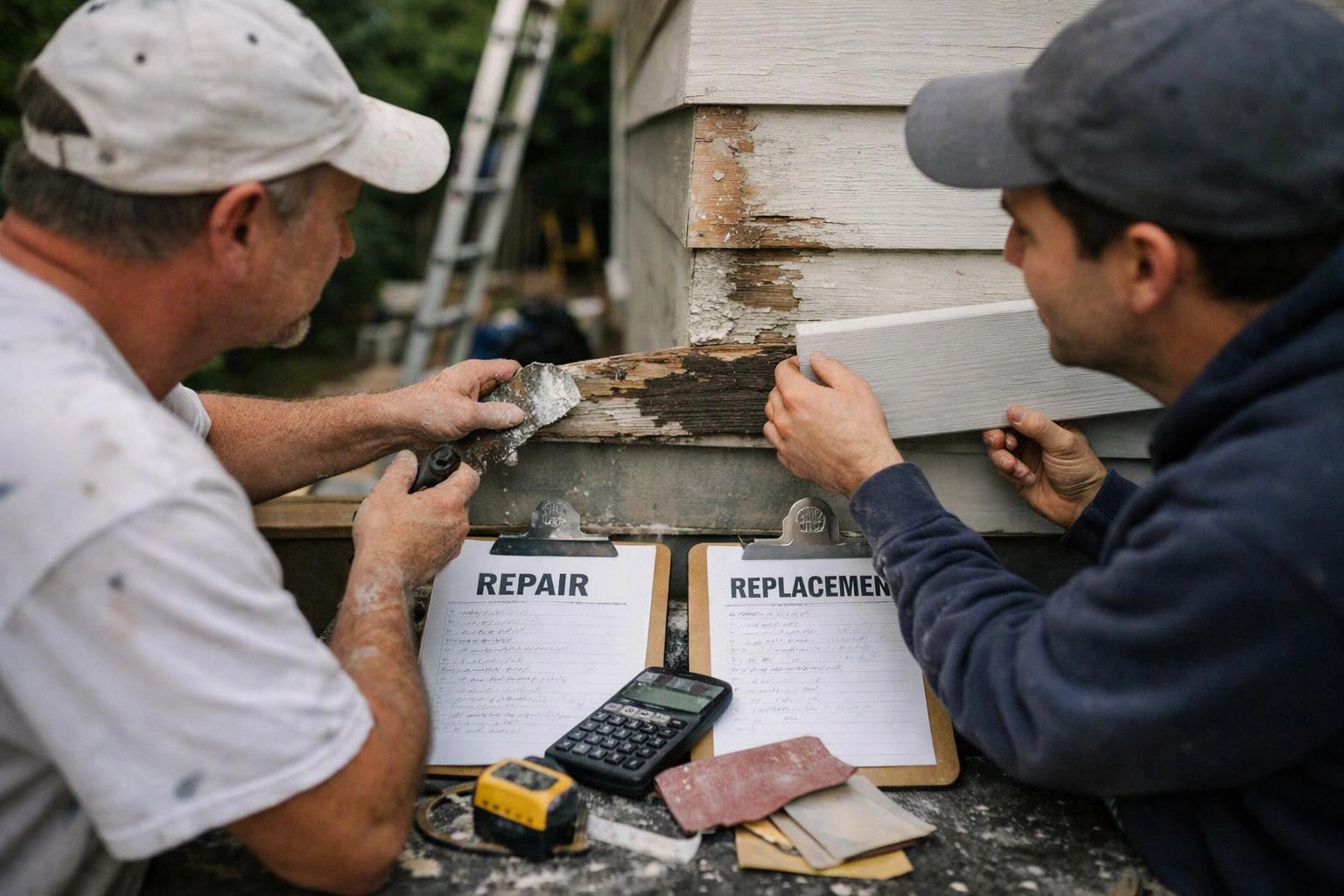
Widespread peeling, repeated coating failure, and blistering may signal problems beneath the visible paint. An unstable substrate can cause new coating to fail even after a local patch.
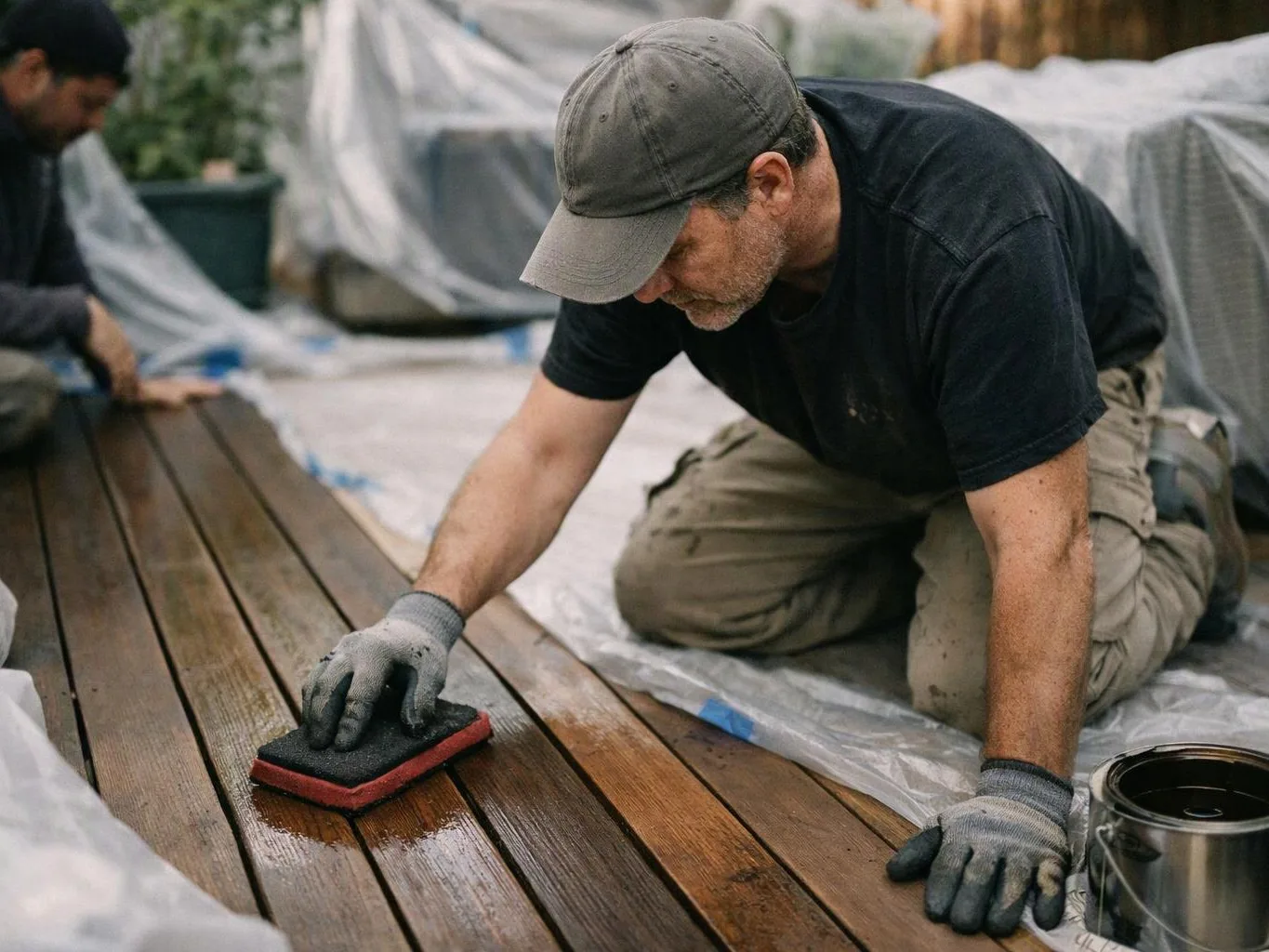
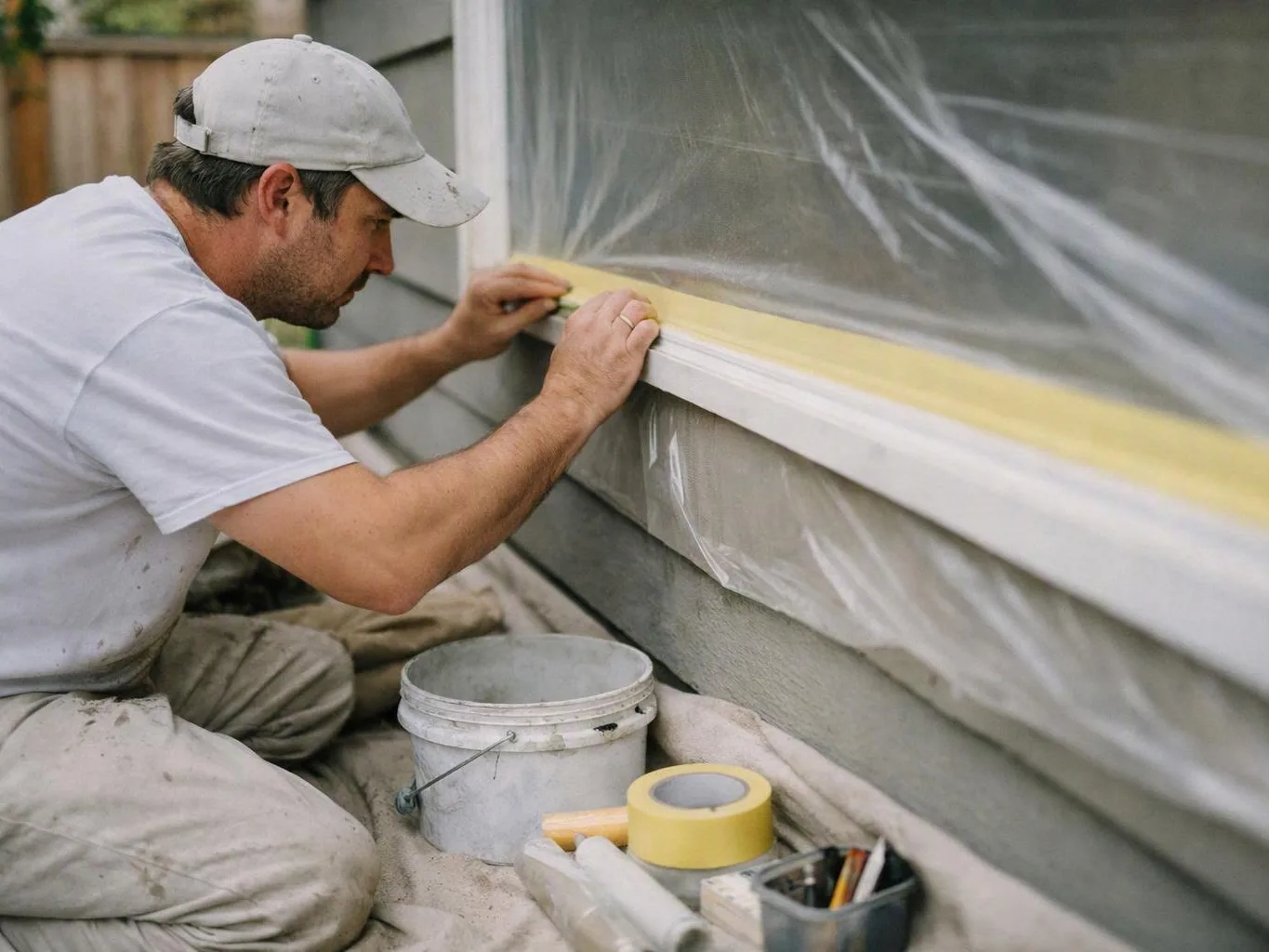
Extensive preparation creates a cleaner base for primer and finish coat application. The wider scope also supports a more uniform finish across walls, trim, or exterior surfaces.
What You Gain From Full Painting Replacement
Full painting replacement creates a broader coating system when the existing paint cannot provide a reliable base.
Best for: full replacement fits widespread damage, unstable substrate condition, or repeated failure.
How We Decide Between Repair and Replacement
We check the damaged surface, identify the cause, and explain whether targeted repair or full replacement better supports the project.
Our team can also explain broader Contractor services when painting work connects with other property repairs.
What Changes the Cost of Repair or Replacement?
The cost depends on damaged area, preparation needs, substrate condition, paint system, access, and the finish required.
Interior painting and exterior painting can have different preparation demands. We also consider moisture damage, paint type, number of coats, trim, and the level of color consistency requested.
Our estimate explains the selected scope and the work included. You can request a free estimate so we can review the surface and provide project-specific pricing.
How Redmond Conditions Can Affect Exterior Painting
Seasonal wet weather and outdoor moisture can affect surface dampness, drying, and coating cure during exterior painting in Redmond, Washington.
Our crew checks surface conditions before exterior coating work begins. Damp siding, trim, or other substrates can weaken adhesion and slow drying.
Seasonally drier and milder conditions can change exterior drying and coating-curing conditions. We plan the work around the surface and weather conditions present during the project.
Plan the Right Painting Scope for Your Property
The right painting contractor scope depends on surface stability, coating failure, preparation needs, and your maintenance goals.
We can explain whether a repair decision or replacement decision makes sense for your interior or exterior surface. Our team will outline the contractor service, preparation, paint coating, and finish work included in the project estimate.
Choose a scope that addresses the cause of failure, not only the visible paint. That approach helps you plan property maintenance with clearer expectations.
Questions About Painting Repair and Replacement
What signs show that a painting repair won't last?
Widespread peeling, repeated coating failure, moisture damage, and an unstable substrate show that a painting repair may not last. Weak adhesion around the damaged area can also point to a broader replacement need.
Can a painting contractor repair only the damaged areas?
Yes, a painting contractor can repair only damaged areas when the surrounding surface is stable and the existing coating has good adhesion. We also check color consistency so the spot repair fits the surrounding paint.
What should a painting estimate include for repair versus replacement?
A painting estimate should explain the damaged area, surface preparation, substrate repairs, paint coating, access needs, coats, and final finish. We also identify whether the scope covers a partial repaint or full replacement.
Does exterior moisture affect the choice between painting repair and replacement?
Yes, exterior moisture can affect the choice because damp surfaces may weaken adhesion and slow drying. We check moisture exposure and surface condition before recommending repair or full replacement.