Which coatings protect exterior surfaces?
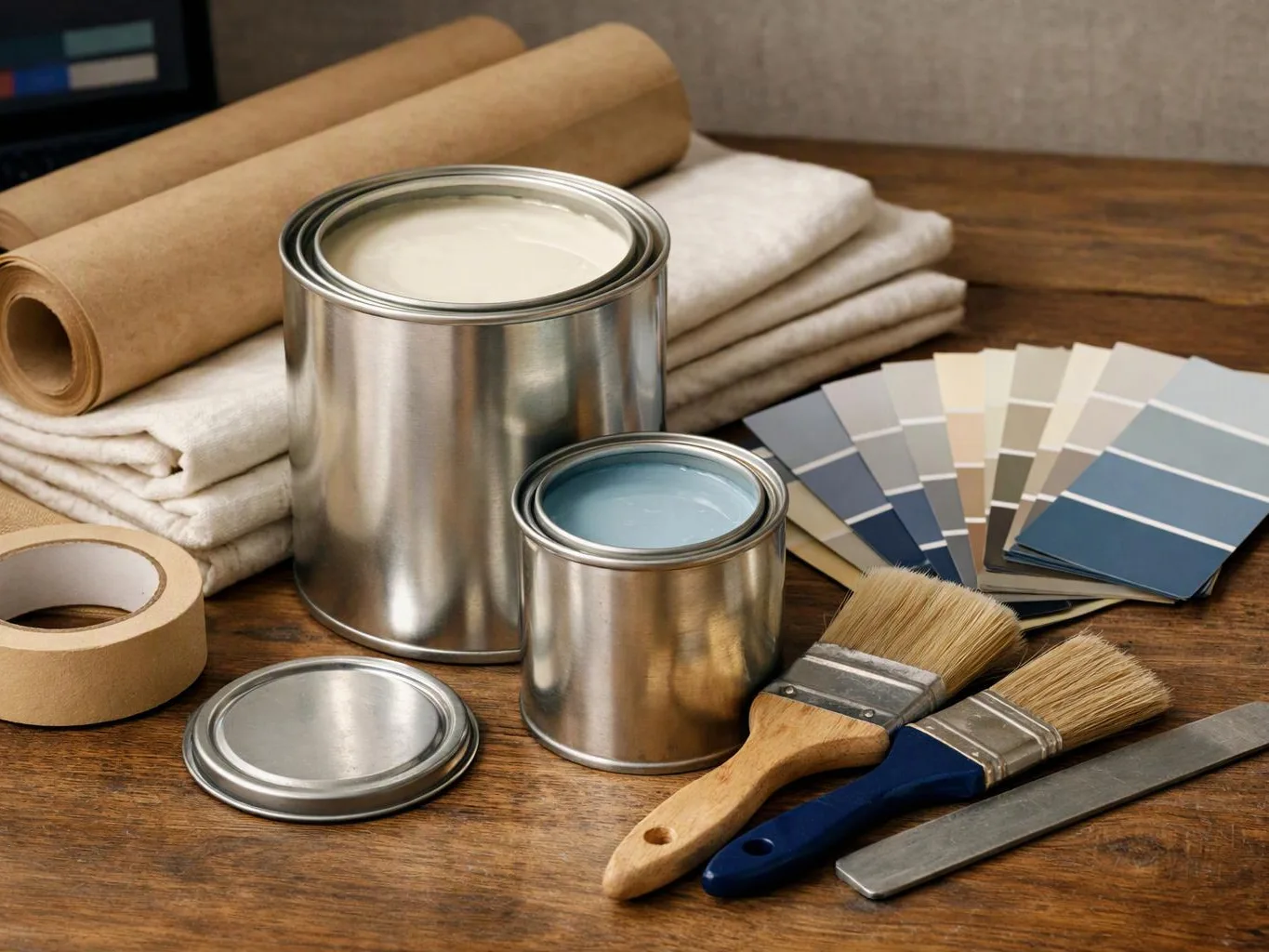
Masonry primer helps prepare suitable masonry before a finish coat, while acrylic paint, elastomeric coating, and weatherproof sealant serve different roles. The surface condition decides the correct combination. We check adhesion, cracks, loose material, and existing coatings before recommending a system. A coating choice without proper preparation can leave the same surface problem unresolved.
How does a coating adjustment differ from replacement?
A coating adjustment keeps sound existing coverage in place, while replacement removes or addresses failed material before new preparation. Loose paint, exposed substrate, cracking, and poor adhesion can push the work toward replacement. We inspect the surface first, then explain which areas need repair, new primer, finish paint, or sealant.
What makes the estimate change on this type of job?
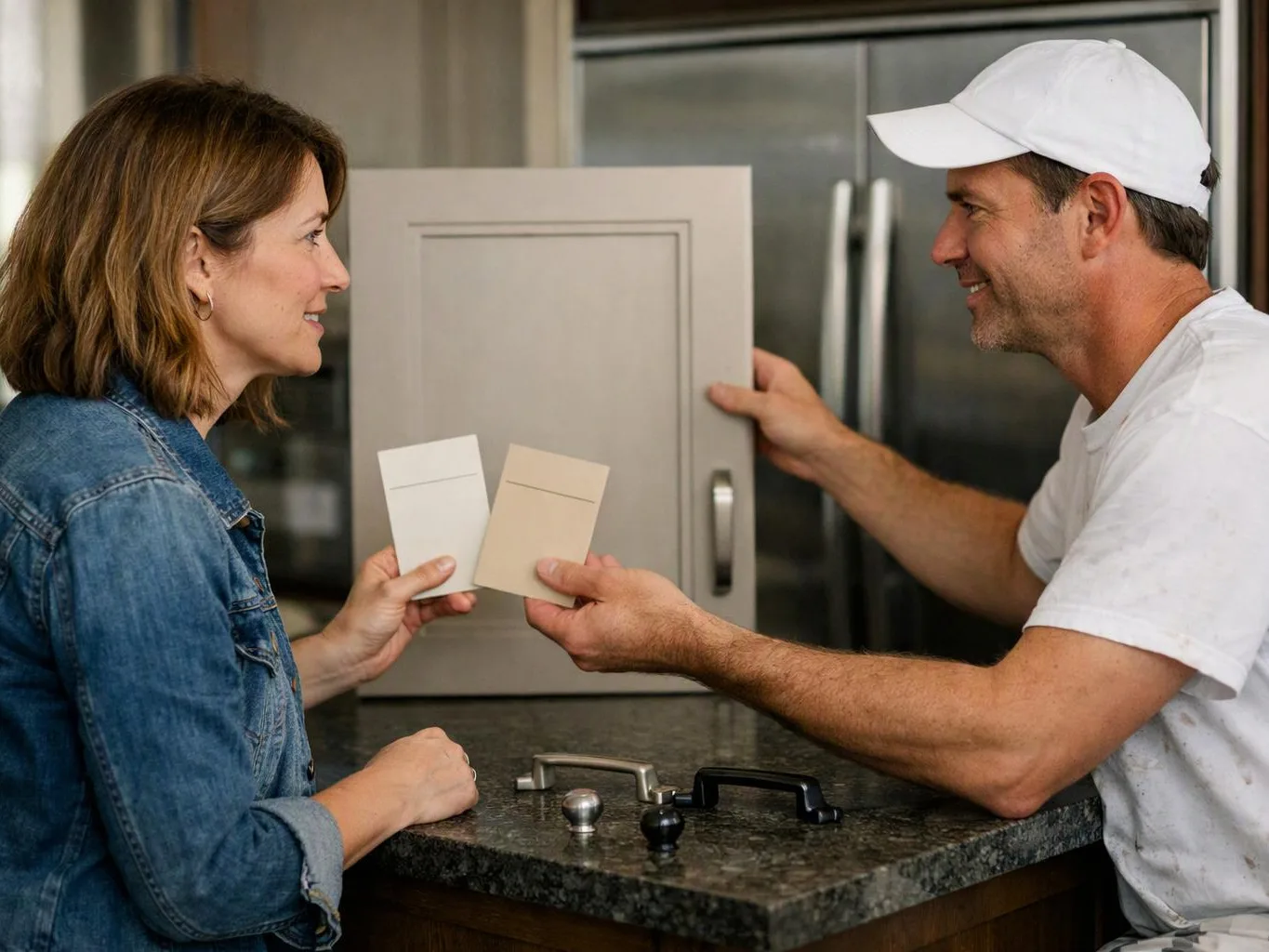
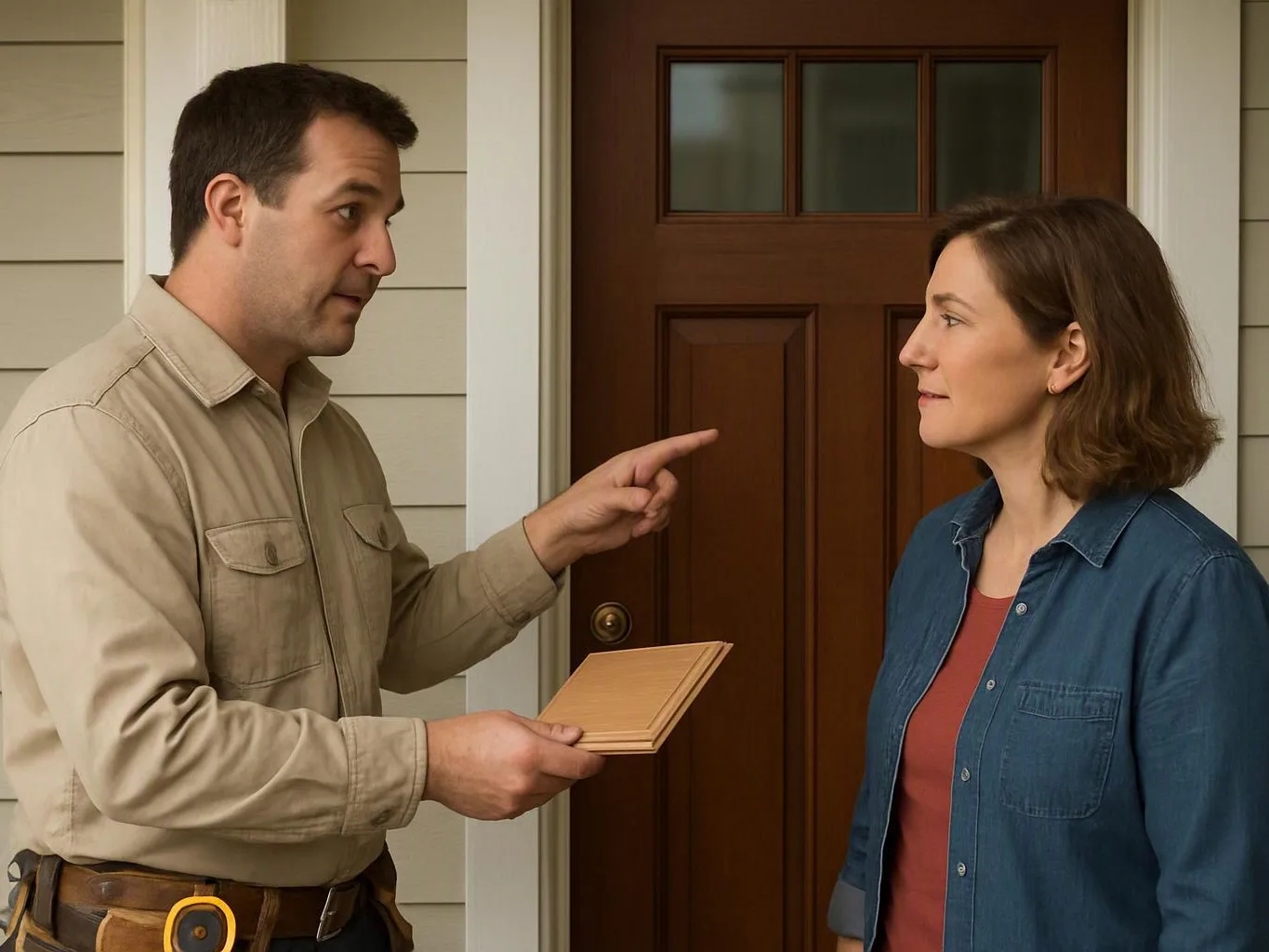
Surface condition, repair needs, access, coating removal, protection, and the selected finish system change the estimate. Masonry, siding, trim, doors, and commercial surfaces can each require different preparation. The free consultation and in-home meeting give us the details needed for a clear project plan and estimate.
When planning ahead, when is exterior painting the wrong service on a standard service call?
Exterior painting is the wrong first step when the substrate needs major repair or replacement. Rot, damaged siding, failed masonry, or loose building parts must be addressed before a coating can perform well. Our carpentry service may fit the repair scope, while painting covers the prepared surface after the underlying work is ready.
What happens before the first coat goes on?
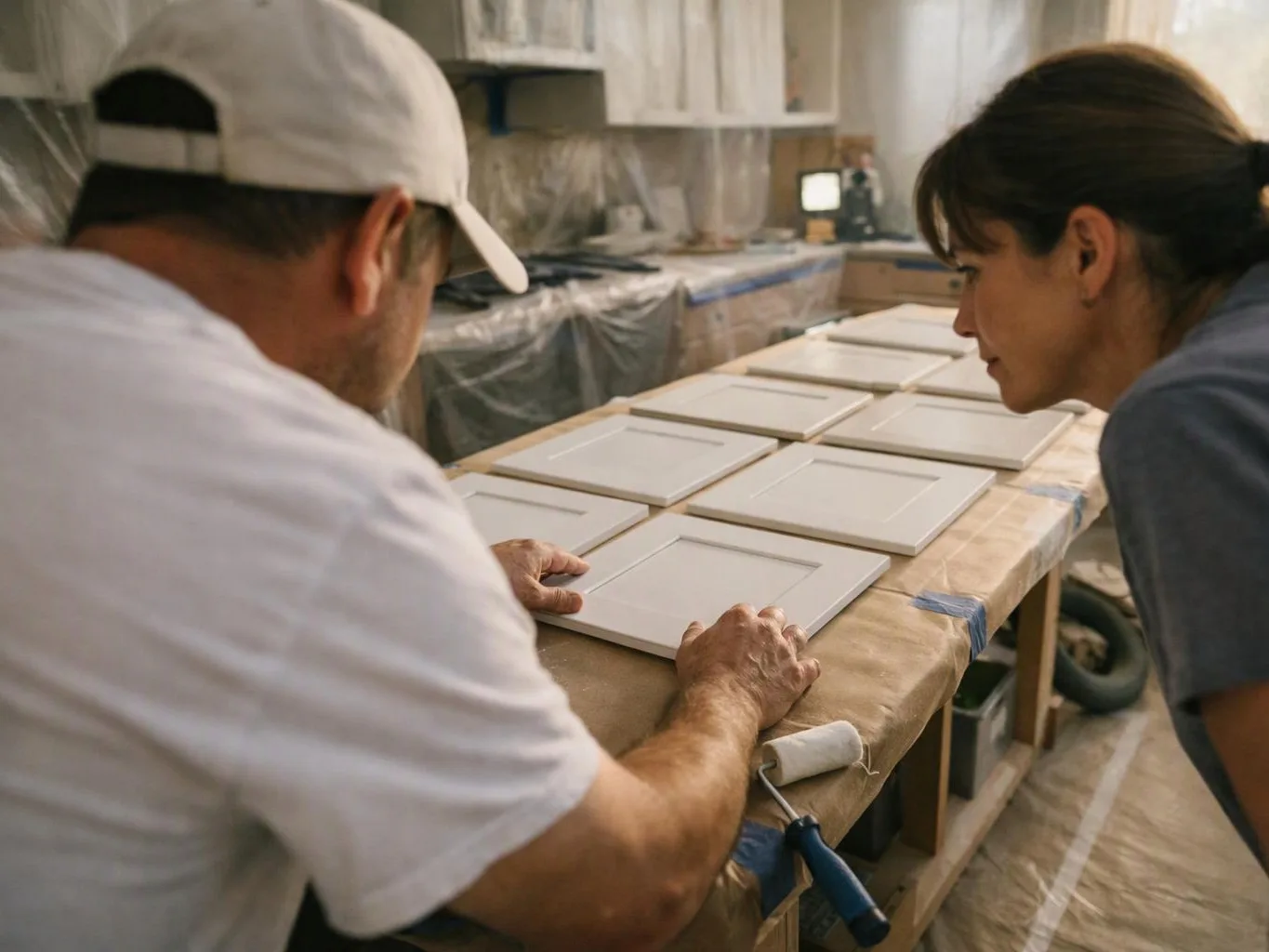
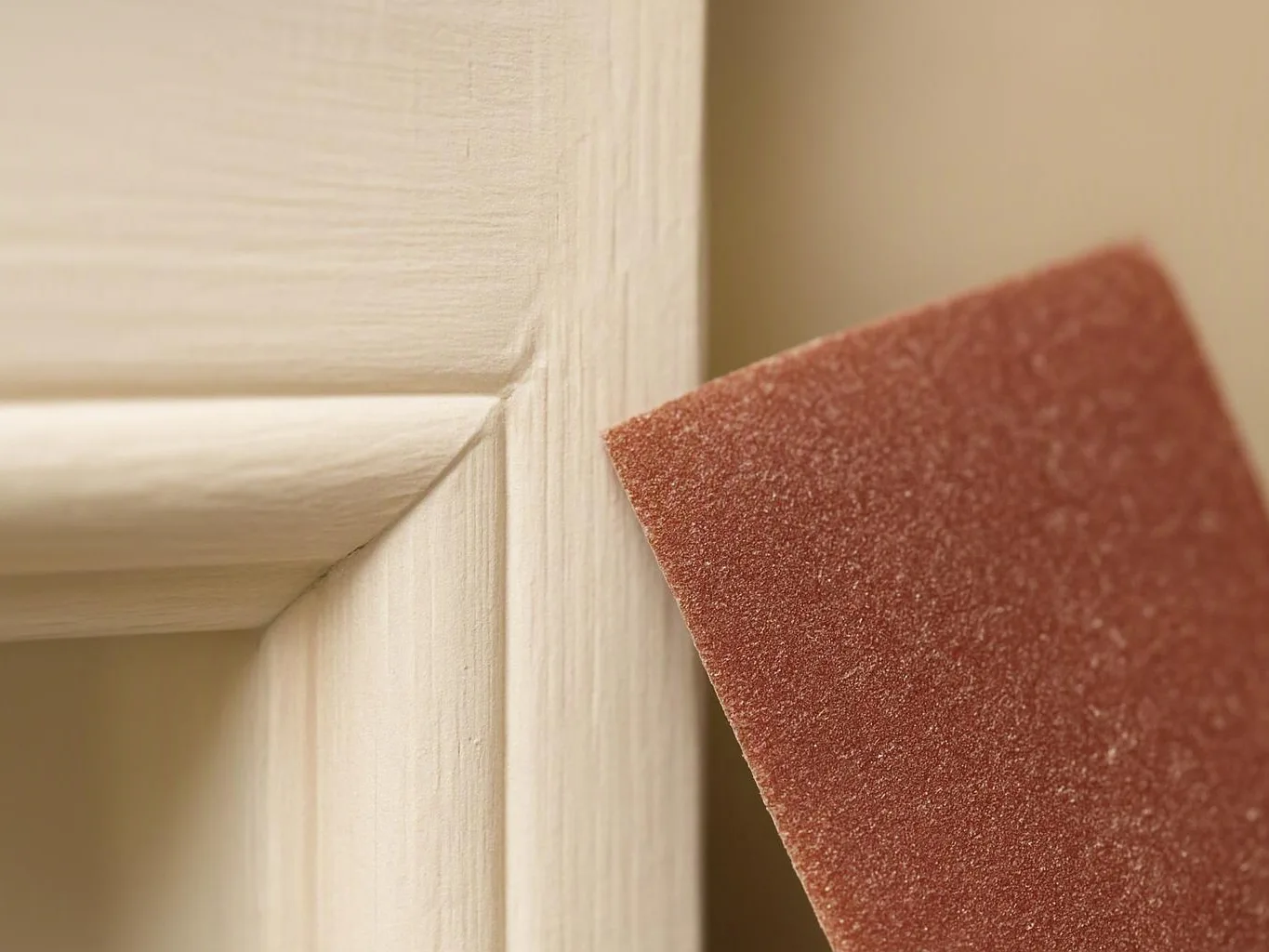
Surface inspection and preparation happen before the first coat goes.
- We review the existing coating and visible damage.
- We protect nearby work areas.
- We complete needed repairs and prepare the substrate.
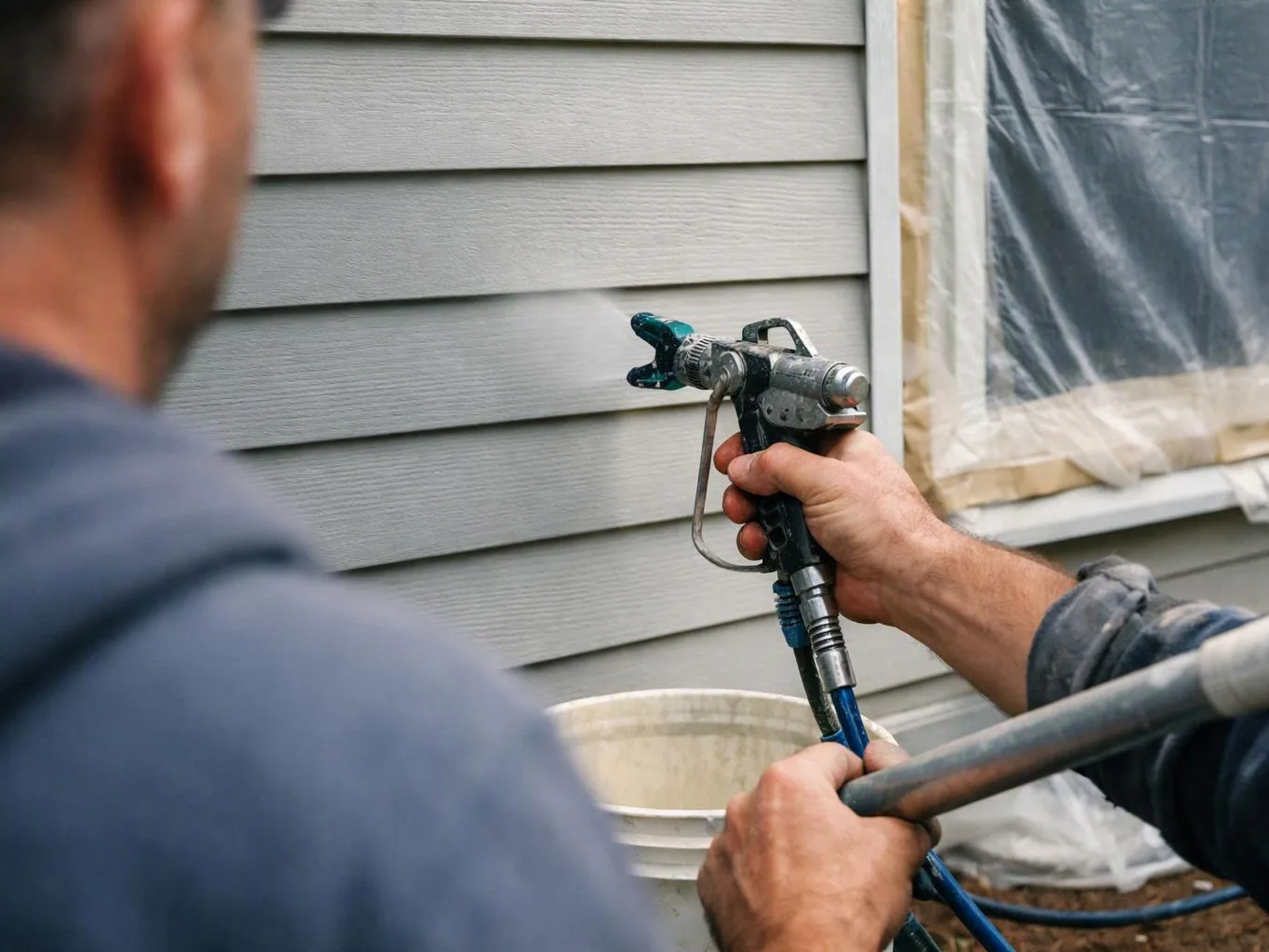
- We apply the planned coating system after the surface is ready.
The final inspection then covers the completed work with you.
How should I compare exterior painting estimates?
Compare each estimate by checking its surfaces, preparation, repairs, coatings, protection, cleanup, and inspection details. A lower scope can leave out work needed for adhesion or surface life. Ask whether the estimate separates masonry, trim, doors, sealant, and carpentry repairs, so the documents describe the same job.
Why do exterior coatings peel after painting?
Exterior coatings peel when the surface has poor adhesion, trapped moisture, failed material, or unsuitable preparation. The visible peeling does not identify the cause by itself. We inspect the substrate, remove unsound coating where needed, address repairs, and match the next coating step to the surface condition.