How should a wood fence be prepared for staining?
Dirt removal is the first preparation step for a wood fence before staining.
We then check the boards for:
- mildew and surface growth
- loose fibers or old finish
- splits, worn areas, and repair needs
- sections that need power washing or sanding
The wood must dry before stain is applied.
What makes one fence staining estimate different from another?
Fence condition and preparation needs usually create the main estimate differences. A fence with mildew, heavy dirt, rough fibers, old coating, or repair needs requires more planned work than a clean, sound surface. Access, gates, nearby surfaces, protection, cleanup, and the amount of staining also shape the scope. We explain those items during the estimate.
Which household steps should I finish before the crew arrives?
Access around the fence should be clear before preparation begins. Move stored items, tools, furniture, and loose decorations away from the work area. Keep gates accessible and identify irrigation lines, fragile items, or nearby surfaces that need protection. Customers can raise those concerns during the consultation so the work plan reflects the property.
When does a fence need sanding before stain?
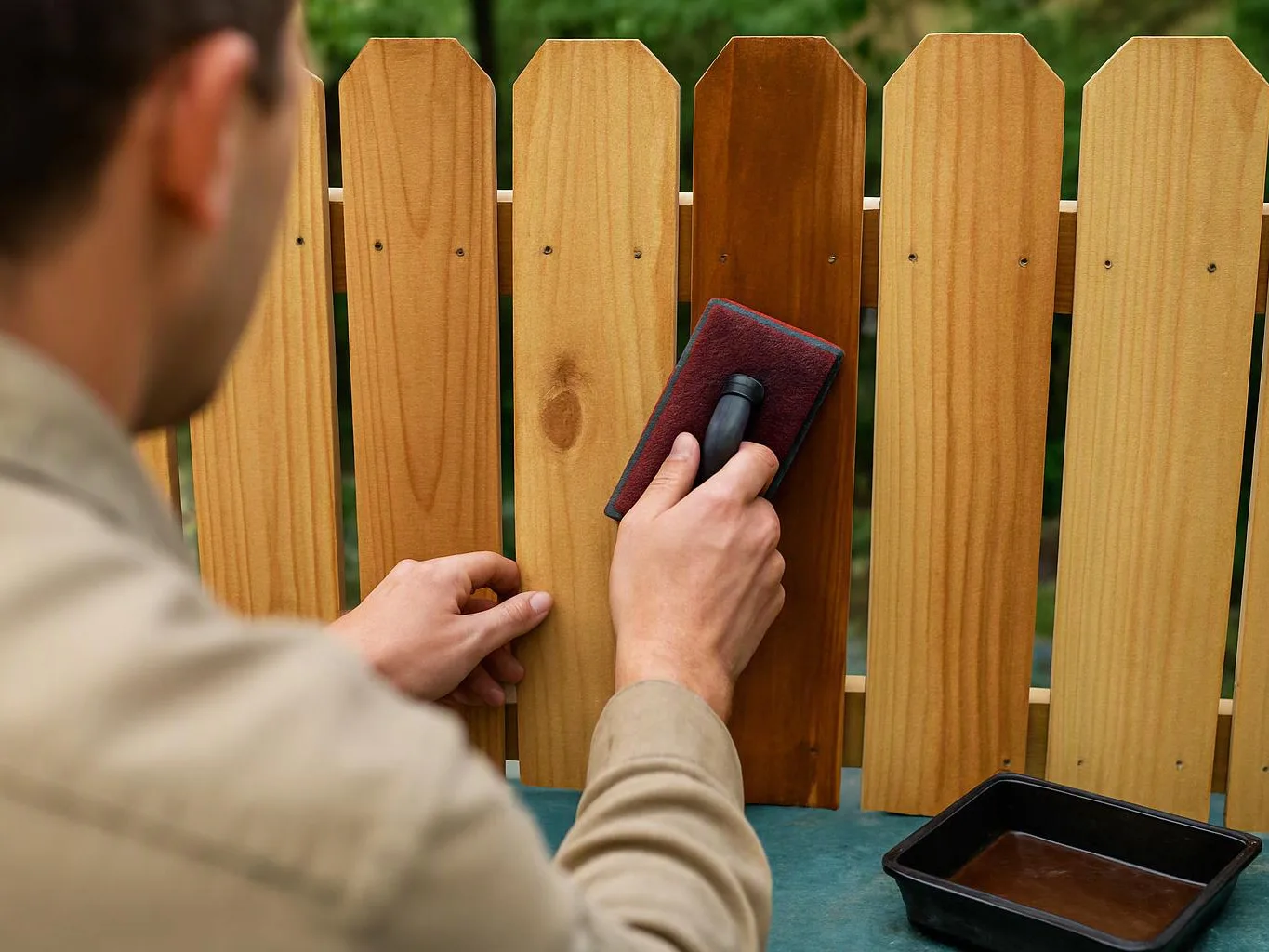
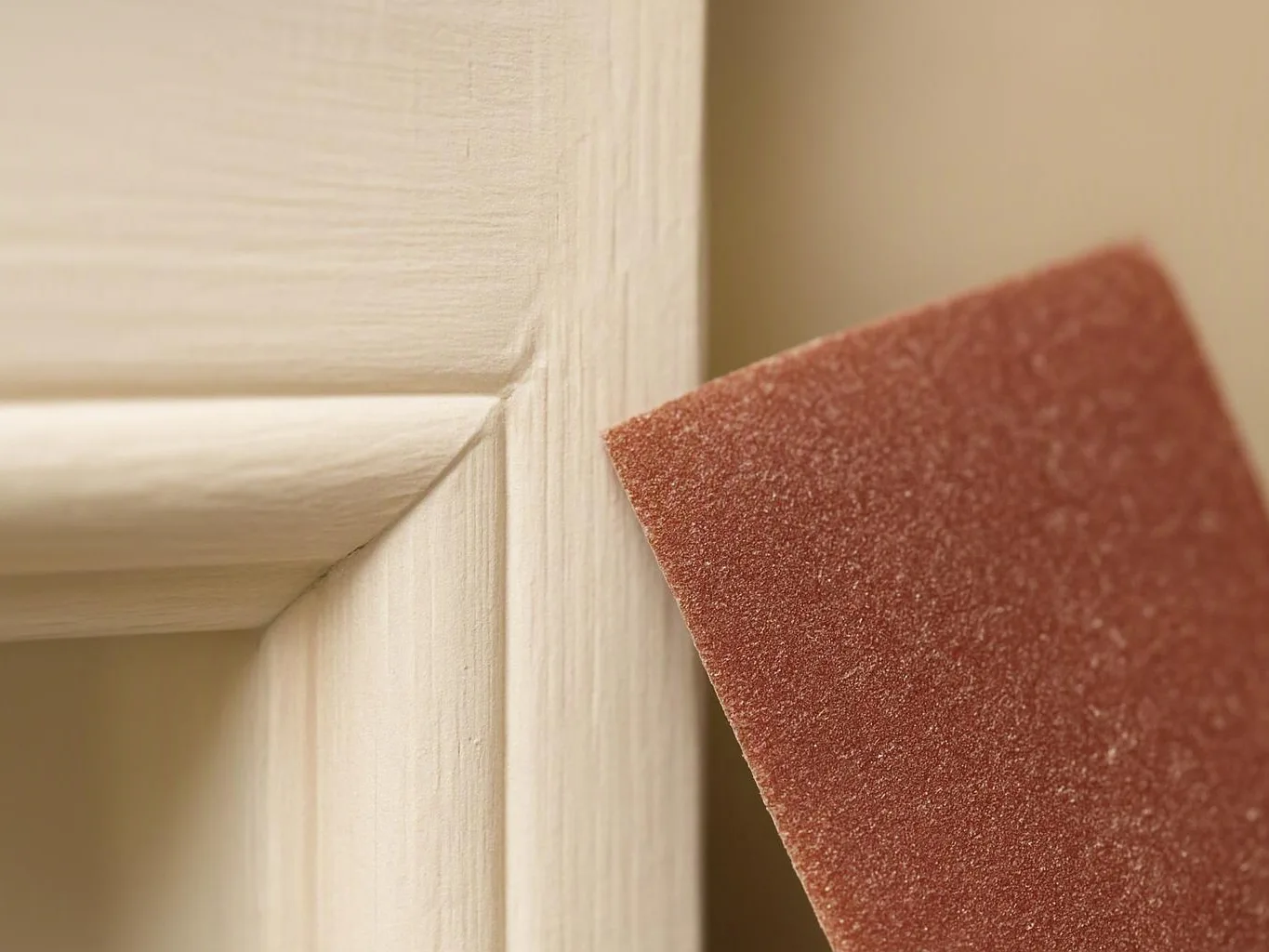
Sanding helps when fence boards have rough fibers, peeling finish, or uneven areas. Light dirt alone does not decide whether sanding is needed. Our team checks the wood after cleaning and identifies sections that need more surface work. Customers receive a scope that separates sanding from washing, repairs, and staining.
Why must the fence dry before staining?
Dry wood gives stain a suitable surface for the coating step. Washing can leave moisture in board faces, joints, and end grain, so the fence needs a proper drying period before stain work continues. The condition of the wood, the cleaning method, and the surrounding work area guide that decision.
Can an older wood fence still be stained?
An older fence can be stained when its boards remain sound and accept surface preparation. Our team checks for rot, splits, loose boards, failed fasteners, and heavy old coating before recommending the work. Repairs or replacement may need attention first when the fence cannot support the planned finish.
What should I confirm before approving fence staining?
Customers should confirm the preparation steps, repair limits, stain scope, protection plan, cleanup, and final inspection. The estimate should show whether dirt removal, mildew treatment, power washing, sanding, drying, and related carpentry work are included. Those details help you compare quotes by actual work, not by a coating name alone.