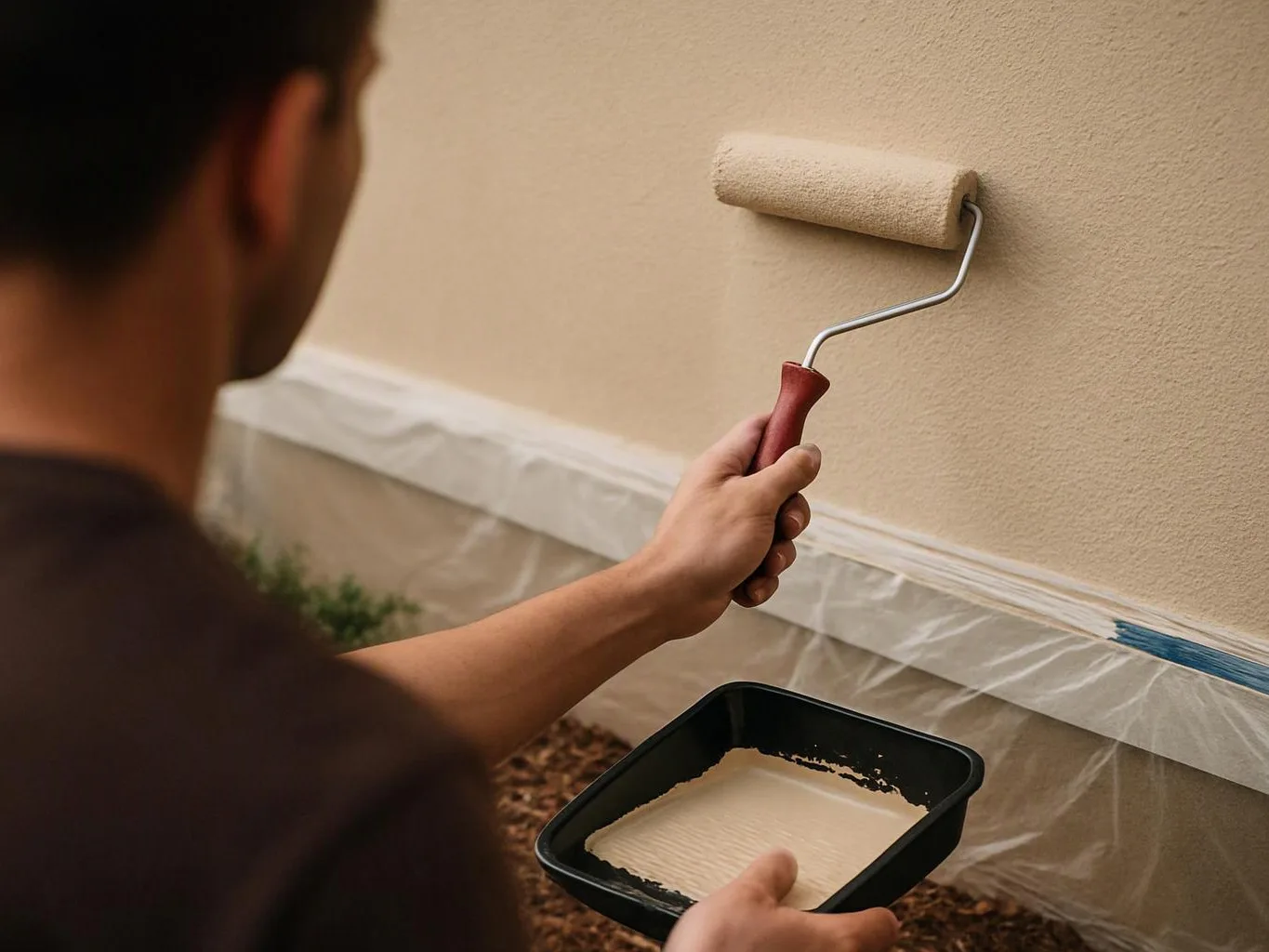
Ignition-Resistant Exterior Coatings: Product Types and Selection
Ignition-resistant exterior coatings include intumescent, cementitious, elastomeric, mineral-based, and clear protective systems. PainterRedmondwa.com evaluates the substrate, exposure, finish goals, and product documentation before recommending a coating system. The right choice depends on tested performance, substrate compatibility, surface preparation, weather resistance, and the desired appearance.
Get a Free EstimateOptions at a Glance
Each coating class serves a different exterior material and exposure pattern. We compare the main options by use, finish, documentation, and trade-offs.
What Makes an Exterior Coating Ignition-Resistant?
An ignition-resistant exterior coating is a protective finish that helps limit ignition or flame spread when its tested system suits the substrate and exposure.
An ignition-resistant coating responds to heat exposure through its chemistry, thickness, or surface behavior. A fire-resistant coating may protect a tested assembly, while a fire-retardant coating commonly focuses on surface burning performance.
Neither term means that exterior siding is fireproof. The result depends on the substrate, surface preparation, application conditions, and the complete coating system.
How Do Fire-Resistant and Fire-Retardant Coatings Differ?
Fire-resistant coatings protect a tested assembly for defined conditions, while fire-retardant coatings mainly reduce ignition or flame spread on a surface.
A fire-resistant coating is tied to a fire-resistance rating and a specific tested assembly. An intumescent coating can protect by forming an insulating char layer when heat activates the film.
A fire-retardant coating usually addresses ignition resistance or surface burning performance. Product testing must show which claim applies and which substrate, primer, topcoat, and application conditions are approved.
Compare Exterior Ignition-Resistant Coating Types
The best coating type depends on the exterior material, weather exposure, required finish, and the product system's tested documentation. Cost varies with coating type, substrate condition, access, preparation, and required coats.
| Type | Key Features | Cost | Best For | Typical Lifespan / Turnaround | Key Trade-Offs |
|---|---|---|---|---|---|
| Intumescent | Heat-activated film that can form a char layer | Varies | Documented wood or metal systems | Depends on system and exposure | Film thickness and topcoat compatibility matter |
| Cementitious | Mineral binder with a dense protective finish | Varies | Masonry, concrete, and selected steel | Depends on weather exposure and maintenance | Needs careful preparation and weather protection |
| Elastomeric | Flexible film with crack-bridging potential | Varies | Siding, stucco, and masonry | Depends on movement and moisture exposure | Not every formula has the same fire claim |
| Mineral-based or silicate | Inorganic binder with vapor permeability | Varies | Compatible masonry and concrete | Depends on bonding and surface exposure | Limited by substrate compatibility |
| Clear protective | Transparent finish that preserves wood grain | Varies | Exterior wood and selected stains | Depends on ultraviolet exposure and upkeep | Clear finishes may need more maintenance |
Intumescent Exterior Coatings
Intumescent coating is a heat-activated coating that expands and forms a char layer during heat exposure. The char layer helps insulate the surface for the conditions covered by the product testing.
We consider intumescent products for compatible wood siding and metal systems. Film thickness, primer selection, topcoat compatibility, and the tested assembly must match the manufacturer instructions.
Cementitious Fire-Resistant Coatings
Cementitious coating is a fire-protective finish made with a mineral binder. It can suit masonry, concrete, and selected steel surfaces when the product documentation approves that use.
We check surface preparation before application because weak, dirty, or poorly bonded surfaces can reduce performance. Weather resistance and drying conditions also guide the application plan.
Elastomeric Fire-Retardant Exterior Coatings
Elastomeric coating is a flexible coating that can bridge small surface cracks while helping limit moisture entry. Fire-retardant formulas must still carry documentation for the intended substrate.
We consider elastomeric systems for siding, stucco, and masonry where movement and moisture protection matter. The flexible finish isn't automatically suitable for every exterior or fire claim.
Mineral-Based and Silicate Coatings
Mineral coating is an exterior finish that uses an inorganic binder, while silicate coating bonds chemically with compatible mineral surfaces. Both can support vapor permeability when the substrate and product match.
We review masonry and concrete condition before choosing these systems. Substrate bonding, surface cleanliness, and moisture movement are central to the best-fit decision.
Clear Fire-Retardant Exterior Coatings
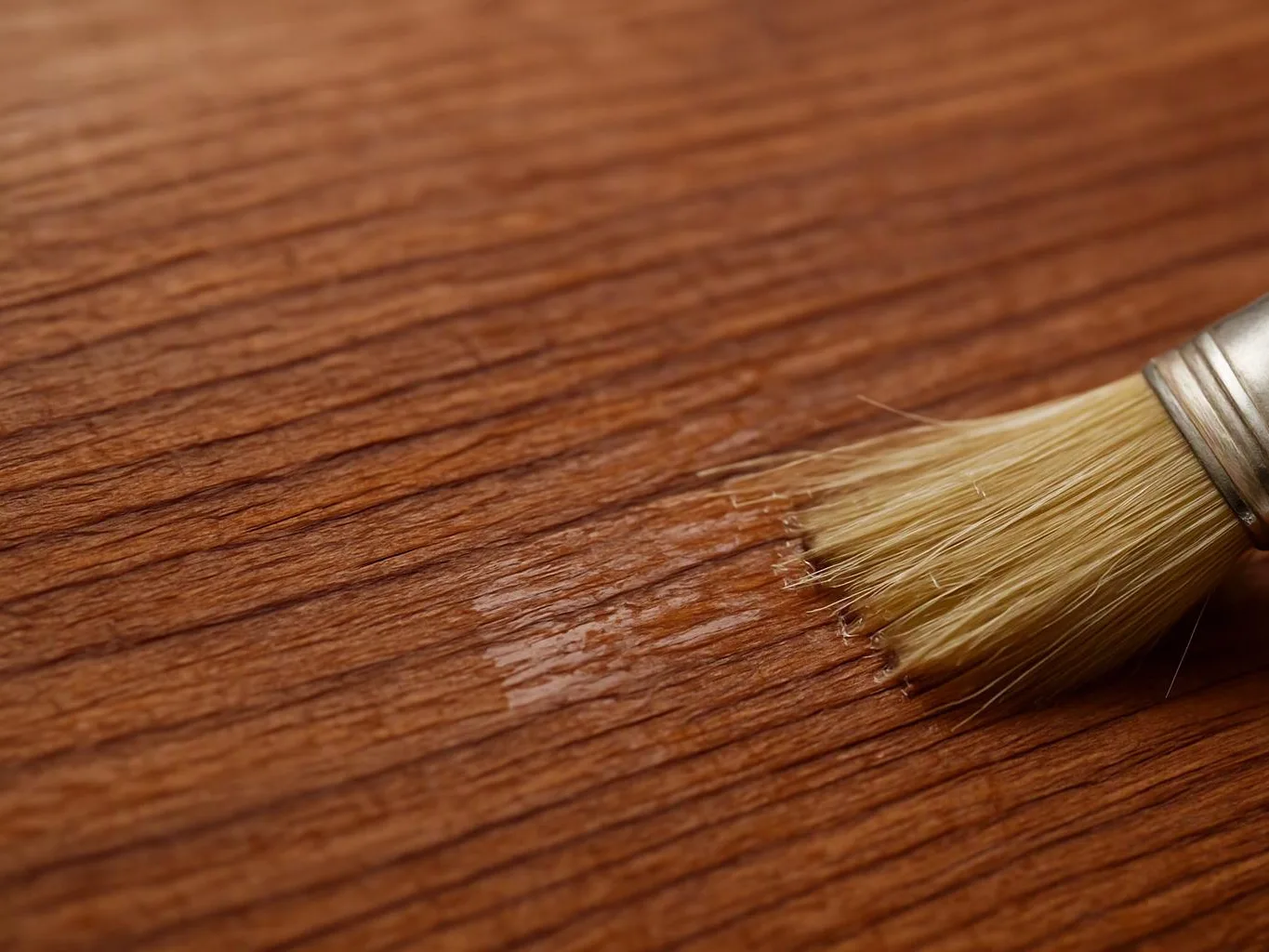
Clear coating is a transparent finish that can protect selected exterior wood while showing the wood grain. Some products work over stain, while others require a compatible primer or topcoat.
We check ultraviolet exposure, existing finish condition, and recoat requirements before recommending a clear system. A clear finish may preserve appearance, but it still needs documented fire performance for the intended wood siding.
Fire-Retardant Exterior Paint Systems
Fire-retardant paint is an opaque exterior paint system that can include a primer, intermediate coat, and finish coat. The complete system must remain compatible from the substrate through the topcoat.
We use the product documentation to confirm application coats, film thickness, drying conditions, and finish-coat requirements. A standard exterior paint isn't automatically a fire-retardant system.
How Do We Select a Fire-Resistant Coating System?
We select a fire-resistant coating system by matching the documented product use to the substrate, exposure, surface condition, and desired finish.
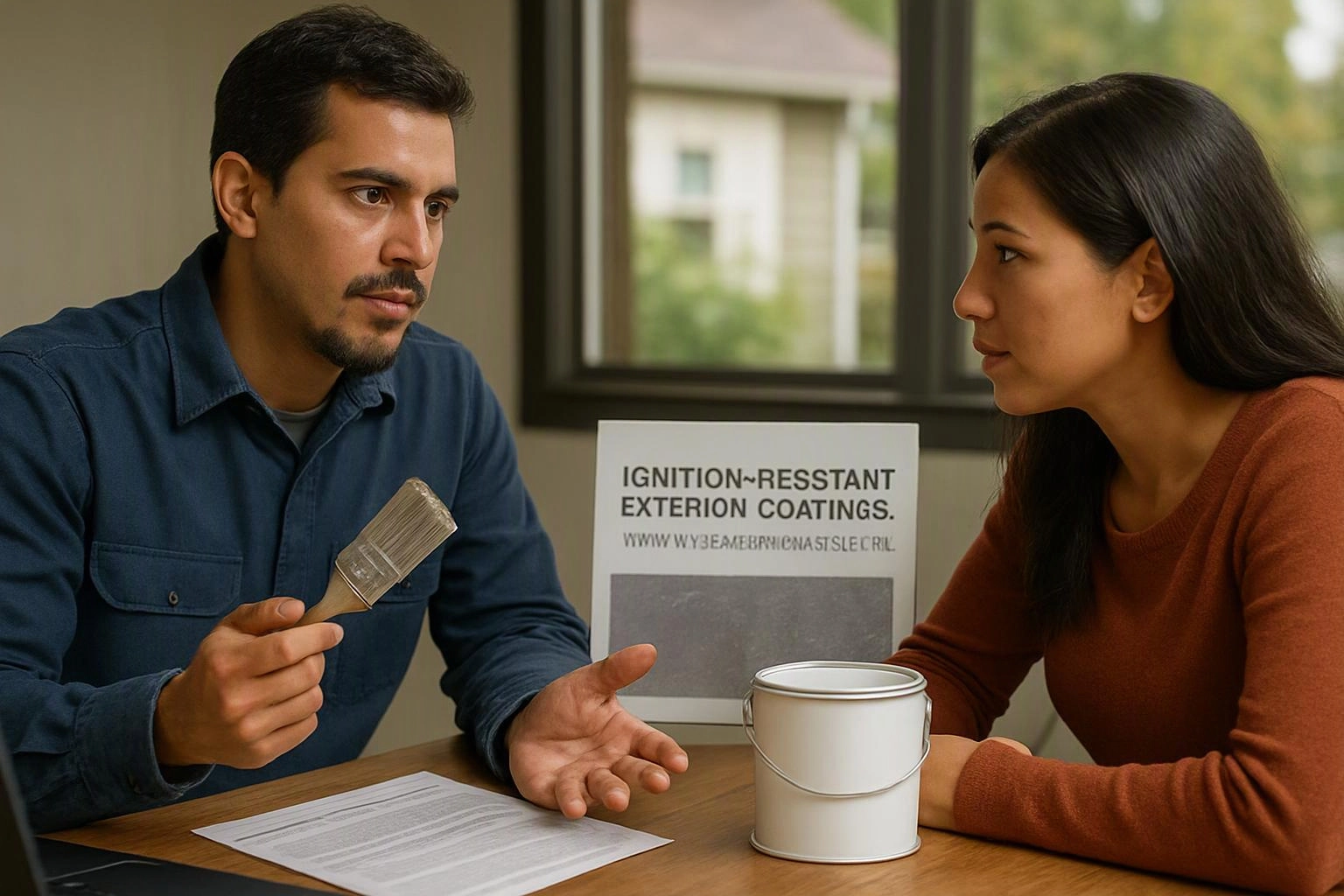
What Should Product Performance Documentation Show?
Product performance documentation should identify the tested substrate, approved coating system, fire-performance claim, application limits, and maintenance requirements.
Missing or unclear documents are warning signs. We pause the selection when a product's fire claim doesn't match the exterior material or the proposed coating system.
What Changes the Cost of an Ignition-Resistant Coating Project?
Ignition-resistant coating cost varies with the product system, substrate condition, preparation, access, and required coats. We provide a free estimate after reviewing the exterior and coating requirements.
Cost drivers include coating type, surface area, repairs, cleaning, scraping, sanding, primer, topcoat, application coats, and product documentation. A system with strict film-thickness or preparation rules may require more careful application.
Our estimate explains the planned surface preparation, coating system, access needs, and included coats. You can request an exact quote through our contact page.
How We Prepare and Apply an Exterior Coating System
We inspect the exterior, prepare the substrate, apply the specified coating system, and check the finished work against the product requirements.
Our Ignition-Resistant Exterior Coating Application process follows the selected product documentation. We use the completed inspection to identify areas that need correction before the work is closed.
Which Coating Type Fits Your Exterior?
The right coating type fits the exterior material, existing finish, weather exposure, appearance goal, and documented use of the product system.
Wood siding may suit an intumescent, clear, or opaque fire-retardant system. Fiber cement siding, stucco, and masonry may suit mineral, silicate, cementitious, or compatible elastomeric products.
Metal siding needs a system approved for metal, including the correct preparation and primer. Existing paint can change the choice when it is loose, incompatible, or difficult to bond with the proposed coating.
We use the technical data sheet and site condition to narrow the options. PainterRedmondwa.com offers free estimates for reviewing the exterior and coating requirements.
Questions About Exterior Coating Selection
Can ignition-resistant coating be applied over existing exterior paint?
Yes, ignition-resistant coating can be applied over existing exterior paint when the old coating is sound, clean, compatible, and approved by the product documentation. We remove or repair weak areas before selecting the primer and finish system.
Can one coating system work on wood, stucco, and metal siding?
No, one coating system shouldn't be assumed suitable for wood, stucco, and metal siding. Each substrate needs documented compatibility, preparation, primer, and fire-performance testing.
Does an ignition-resistant coating make exterior siding fireproof?
No, an ignition-resistant coating doesn't make exterior siding fireproof. The coating can help limit ignition or flame spread only when the tested system suits the substrate and exposure.
What warning signs show that an exterior coating system may be unsuitable?
Unclear testing, missing substrate information, incompatible primers, vague coverage guidance, and no topcoat requirements are warning signs. We also question systems that ignore surface preparation, drying conditions, or maintenance.
Can a clear coating protect exterior wood without hiding the grain?
Yes, a clear fire-retardant coating can protect selected exterior wood while preserving the grain when the product is tested and approved for that wood, stain, exposure, and finish system.
Related Resources
Fence Staining or Painting: Compare the Finishes Before You Hire
Compared ToPaint Stripping or Repainting: Which Preparation Service Does Your Project Need?
Compared ToPainting Contractor or General Contractor: Who Should You Hire?
When You Need ItSigns Your Home’s Exterior Paint Needs Attention